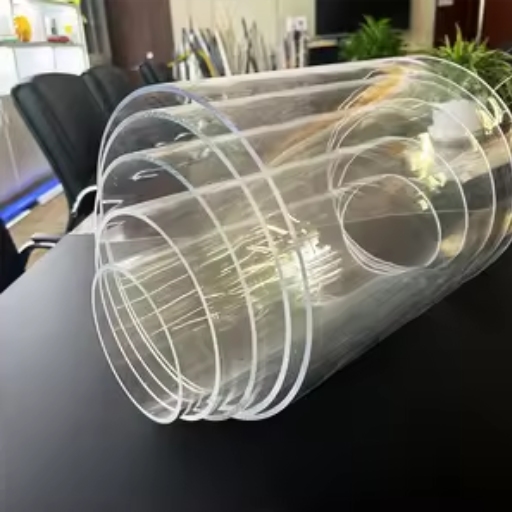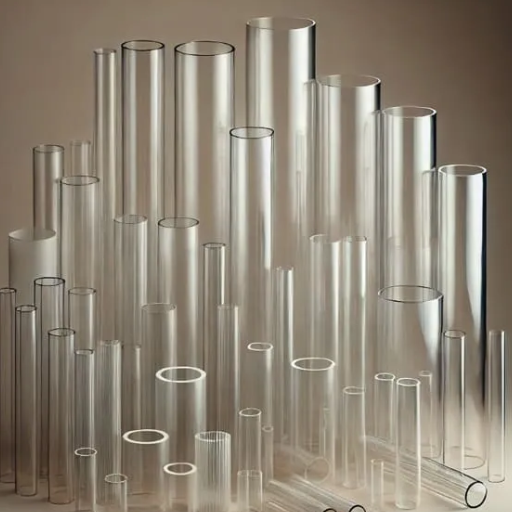

The discussion around which material is more durable and transparent acrylic vs polycarbonate always starts with these two materials, even though they have very similar looks. Their properties, however, are quite different when it comes to strength, flexibility, and functionality. The question “is plexiglass the same as polycarbonate?” sometimes pops up and confuses not only buyers but also architects and people who like to fix things around the house. We will in this blog post, look into the very differences that this pair of materials has, and analyze their main features, benefits, and usages that are most appropriate for them. If you need a scratch-resistant alternative or want a nearly unbreakable solution, this in-depth guide will help you decide the best choice so that you can feel sure about the material that suits your needs.
Understanding Plexiglass and Polycarbonate
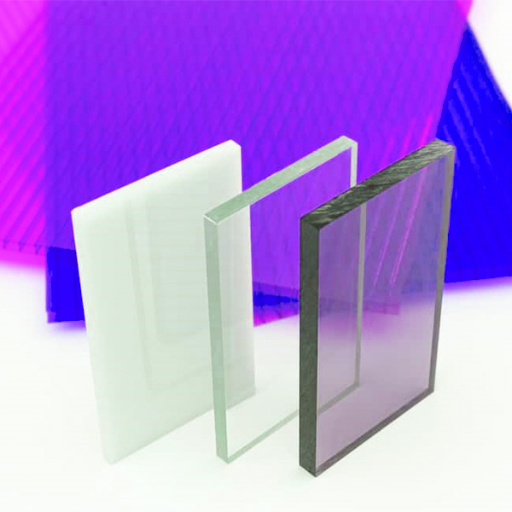
Plexiglass and polycarbonate are both tough and clear, but their characteristics and applications are different. Plexiglass, or acrylic, is light, highly resistant to scratches, and cheaper than polycarbonate. Therefore, its uses could be art, display or windows. In contrast, polycarbonate is almost unbreakable, making it much more suitable for situations requiring high impact resistance, such as safety shields and machine guards. The two materials, however, can be employed in various ways. Still, the choice is conditioned by the factors above: durability, cost, and protection level.
What is Plexiglass?
Plexiglass, also known as PMMA or polymethyl methacrylate, is a transparent, light, and tough thermoplastic widely used as a glass substitute. Its main feature is its clarity with a light transmission of around 92%, which puts it ahead of glass in optically sensitive applications. In addition, it is unbreakable, weather-resistant, and easy to process, cut, and shape, thus adding versatility to its applications. Plexiglass is widely used in aquariums, signage, protective barriers, and skylights, making it a cost-efficient solution for projects that require both clarity and durability. Unlike glass, Plexiglass is much lighter and safer because it is less likely to crack or shatter, making it a practical choice for both commercial and residential areas.
What is Polycarbonate?
Polycarbonate is a thermoplastic with the best strength-to-weight ratio among all plastics, and it also has unique characteristics like high impact resistance and transparency. Its superior toughness over glass and acrylic makes it the leading candidate for the most rigorous and safest applications, even though it is very easy to process further. Polycarbonate is already found in lots of different products and applications like, for instance, eyeglasses, bullet-resistant windows, medical instruments, car parts, and electronic devices. Its thermal stability makes it a good candidate for both very hot and icy environments. Not to mention, its optical properties are such that it can even be used where the visibility and durability requirements are both very high. Its broad application range, together with its weather resistance and low combustibility, has made it the material of choice in many different sectors, e.g., construction, manufacturing, and aeronautics.
The Properties of Acrylic and Polycarbonate
Acrylic and polycarbonate are two of the most common plastic materials, and they have different properties. Acrylic is an optically clear plastic that can withstand UV rays and is rigid, making it the most commonly used product in display cases and signs. It is a light plastic with high surface hardness, but it is not impact-proof and can fracture under heavy impact.
Polycarbonate, in contrast to acrylic, is very impact-resistant and has a long life cycle, remaining constant. In the past, polycarbonate has been used to make various objects, such as safety glasses. However, when it comes to a glass-like appearance, it is not as good as acrylic.
The combination of their individual qualities has led to these materials being accepted and used in various industries, with practical benefits that depend on the specific application.
Plexiglass vs Acrylic: What’s the Difference?
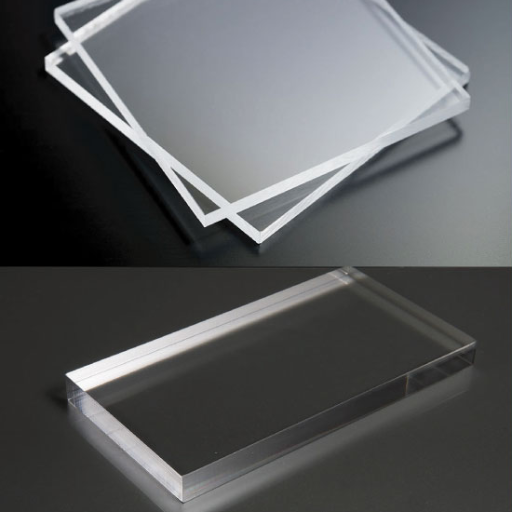
Plexiglass and acrylic differ in properties such as strength, flexibility, clarity, cost, and usage.
| Parameter | Plexiglass | Acrylic |
|---|---|---|
| Strength | Moderate | High |
| Flexibility | Less flexible | More flexible |
| Clarity | Very clear | Slightly less clear |
| Cost | Higher | Lower |
| Usage | Displays, Shields | Barriers, Guards |
Defining Plexiglass and Acrylic
The two terms plexiglass and acrylic are often used interchangeably, yet they denote very similar materials, if not identical, and are made of polymethyl methacrylate (PMMA). Plexiglass is the most recognized brand name for high-quality acrylic sheets, known for their durability and superior optical clarity. Acrylic, on the contrary, represents a whole spectrum of PMMA products that can vary significantly in terms of their strength, flexibility, and surface finish, depending on the manufacturing process involved.
Plexiglass is the material of choice in applications that require high-standard optical properties and robustness, such as illuminators, digital signage, or guard panels. Acrylic, because of its bendability and cheaper price, is more often found in hobbyist and small-scale crafting, as well as building industrial partitions. Nevertheless, both materials possess excellent weather resistance, impact strength, and versatility, which makes them indispensable in various industries. The decision of which one to use among the two depends on the particular characteristics that the project requires—whether clarity, cost, or flexibility is of the most concern.
Applications of Plexiglass and Acrylic
Plexiglass and acrylic are some of the most durable, clear, and versatile materials, which make them widely used in different industry sectors. The exceptionally high transparency and great impact resistance are the reasons for plexiglass being chosen for windows, aquariums, and skylights. Along with that, it has become a most selected material for protective screens like sneeze guards and safety shields in hospitals and commercial places. Meanwhile, acrylic is used in creative areas like signage, display cases, and decorative projects because of its customization and affordability. Both materials are extensively used in construction, automotive, and aerospace industries for lightweight yet strong components. Generally, the decision between the two is made based on the requirements of the project, such as budget, flexibility, or strength.
Durability and Impact Resistance
Along with their many differences, plexiglass and acrylic share a common trait: they are durable and offer good impact resistance. Their performance is somewhat different, particularly in terms of specifics. Plexiglass is an acrylic product, and it is generally more durable than standard glass. Besides being shatter-resistant, it can withstand a lot of pressure and will not break easily, making it frequently used for safety shields and protective barriers. On the other hand, if we talk about different grades of acrylic, some are specifically formulated for superiority, and these can even withstand the impact resistance of Plexiglass.
Plexiglass can resist shattering right away, though it can still be scratched pretty badly if it is not treated correctly/ coated. Acrylic is even more scratch-resistant because it is frequently treated to make its surface harder. The final user is the one who decides in this case; their choice will depend on the intended application, the surrounding conditions, and whether impact resistance is more important than surface durability.
Mechanical Properties Comparison: Acrylic vs Polycarbonate
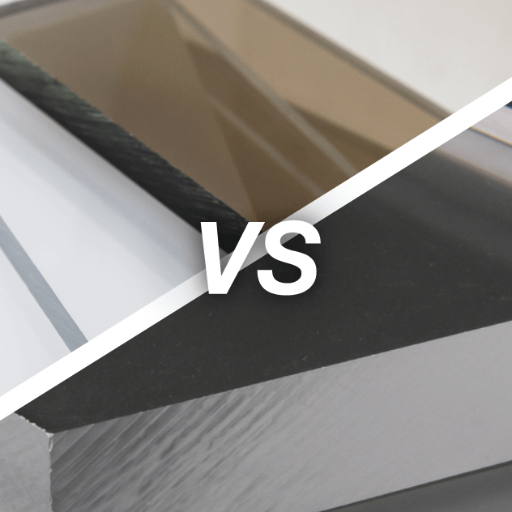
Acrylic is lightweight, rigid, scratch-resistant, and resistant to UV damage, while polycarbonate is impact-resistant, flexible, heat-resistant, and less likely to crack under stress.
| Property | Acrylic | Polycarbonate |
|---|---|---|
| Weight | Lightweight | Lightweight |
| Rigidity | High | Moderate |
| Scratch Resist | High | Low |
| Impact Resist | Low | High |
| Flexibility | Low | High |
| UV Resist | High | Moderate |
| Heat Resist | Moderate | High |
| Crack Resist | Low | High |
Impact Resistance: Which Material is Superior?
Key Insight: In terms of resisting impact, polycarbonate is the material that tops the list. Its natural flexibility and molecular arrangement help it to take in and withstand a great deal of force without cracking. Polycarbonate is used in various fields such as eyewear lenses, bulletproof glass, and safety gear, where the highest levels of durability and security are required. In contrast, acrylic provides good strength and scratch resistance but its impact resistance is feeble. Acrylic tends to either crack or get smashed when subjected to force; therefore, polycarbonate is considered the best material for situations requiring high impact resistance. The difference between the two materials is what makes polycarbonate the choice for demanding and safety-critical applications.
Tensile Strength: Evaluating Durability
Polycarbonate’s tensile strength is compared to that of acrylic and it still wins. About 9,000 psi is the tensile strength of polycarbonate, so it is able to endure considerable pulling or stretching forces without any breaking. Acrylic’s tensile strength is still pretty high, but it’s a bit lower, usually around 4,500 to 6,000 psi, which renders it less durable under the same conditions. The use of polycarbonate in the above-stressed areas confirms its durability and reliability in construction, automotive parts, and protective barriers. But still, the rigid property of acrylic can give it a place in delicate decorations and situations with very low stress.
Flexural Strength and Its Importance
Flexural strength is the capability of a substance to withstand load without bending or deforming. It is a vital attribute that helps assess the performance of the material under the given stress, especially in case of structural applications. Moreover, materials with high flexural strength can be used for applications requiring bending or pressure, such as beams, panels, or supports. It involves selecting materials with appropriate flexural strength to prevent safety, reliability, and long-term durability issues in both design and construction.
Optical Characteristics of Acrylic and Polycarbonate
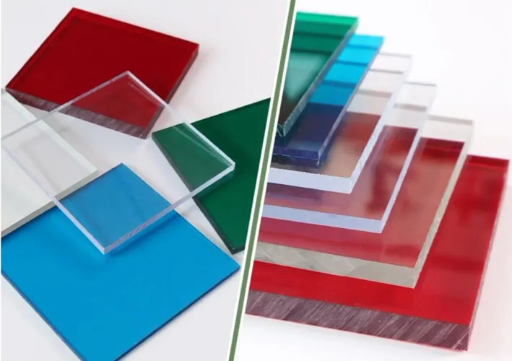
Acrylic and polycarbonate have different features, but both are appreciated for their superb optical clarity. Acrylic, with its exceptional light transmittance, offers 92% at most, thus being the top choice for installations needing crystal-clear and glass-like appearance. Moreover, its UV resistance is excellent, helping to prolong the life of the material by preventing yellowing. In contrast, polycarbonate offers a little lower light transmission but, at the same time, is ten times more impact resistant, thus being workable in those situations where the strength and durability of the material are utmost. Both polymers are exemplary in their own ways; therefore, the choice between them will depend entirely on the application’s classification in terms of transparency, strength, and resistance to UV rays.
Clarity and Transparency: Analyzing Performance
When it comes to the evaluation of clarity and transparency, acrylic and polycarbonate are presenting different pros and cons according to the application. Acrylic is the choice with an exceptional light transmission of 92%, leading to great optical clarity. This makes it ideal for applications such as display cases, signage, and other areas where visual appeal is a prime consideration. On the other hand, polycarbonate is not that transparent, with a light transmission of about 88% but its high impact resistance and flexibility make up for it. The current trends show a rising preference for acrylic in applications where aesthetic precision is essential, while polycarbonate excels in applications requiring industrial strength and safety. After all, the decision between these two materials often involves balancing the optical needs with the performance demands.
UV Resistance in Clear Plastics
Both acrylic and polycarbonate provide different levels of UV protection, thus being trustworthy options for outdoor use. Acrylic has an inherent ability to resist UV rays that degrade it, ensuring it remains clear and strong even after considerable sun exposure. Polycarbonate, in contrast, will suffer yellowing and degradation over the years unless it is covered with a particular UV-resistant coating. In case of eclipse acrylic is the usual pick where UV stability is critical while UV-coated polycarbonate is the alternative for situations where high impact resistance and UV protection are required at the same time.
Light Transmission Rates: Comparing Acrylic and Polycarbonate
Both acrylic and polycarbonate are very popular materials because of their light transmission, but their performance is not the same. Acrylic usually transmits as much as 92% of the light, thus providing exceptional optical clarity and making it an ideal selection for application areas, such as signage and display cases, where high transparency is required. On the other hand, polycarbonate is less clear but allows 88%-90% light transmission which varies with thickness and grade. Still, it is more than enough for its excellent impact resistance and durability thus making it suitable for the most demanding settings.
In addition, both materials have the same degree of clarity when they are manufactured in different thicknesses. However, acrylic mostly doesn’t suffer from the long-term light exposure problem of hazing or yellowing while untreated polycarbonate does. Nonetheless, UV-treated polycarbonate has reduced this difference because it maintains its clarity over time better. The decision between one material and another is prevalent because it involves balancing the need for maximum light transmission with specific strength and durability requirements.
Applications Across Various Industries

Uses in Construction and Architecture
Due to their outstanding unity of transparency, toughness, and versatility, acrylic and polycarbonate are much preferred materials in building and architectural applications. Among them, acrylic is highly transparent and has great UV resistance, so it is mainly used as a material in skylights, display cases, and decorative panels where aesthetics and light transmission are priorities. Its lightweight property also makes it more convenient to handle and install than conventional glass.
Conversely, polycarbonate is the choice in applications where high impact resistance and durability are required. It is widely used in the manufacturing of safety shields, roofing systems, and greenhouse panels, where strength and protection against harsh weather conditions are the main requirements. The material’s ability to withstand heavy impacts without breaking ensures its long life and safety in harsh environments.
In modern construction and architecture, both materials offer different but sometimes overlapping functions. This enables designers and engineers to choose the best material based on the specific requirements of the project, such as weight, strength, clarity, and long-term performance, thus taking a balanced approach.
Medical Applications: Choosing Between Acrylic and Polycarbonate
Acrylic and polycarbonate are two of the most common plastics used in medical applications due to their combination of durability, optical clarity, and versatility. Acrylic is still the preferred material for medical devices such as incubators and display cabinets where the need for optical clarity and cost-effectiveness are the main factors. Its UV light resistance and compatibility with sterilization processes make it an ideal choice for non-implantable medical equipment.
On the contrary, polycarbonate is the material of choice in the production of high-demand areas like surgical instruments, medical safety glasses, and equipment housing due to its exceptional impact-resistant properties. The material’s hardness and crack resistance allow it to be used for devices intended to be robust. Furthermore, polycarbonate’s property to maintain its size and shape during heating makes it suitable for autoclaving and repeated sterilization. Both materials play an essential role in the production of safe, efficient, and long-lasting medical devices and the final decision still lies on the specific requirements of the application.
Automotive and Aerospace: Material Selection Criteria
Acrylic and polycarbonate are two materials that are often compared and evaluated for their specific characteristics in automotive and aerospace applications:
Acrylic is a material that not only provides excellent optical clarity but also has high resistance to UV and weathering. Therefore, it is recommended for applications such as aircraft, automotive lights, and windshields. Its stiffness and lightness are additional advantages in the case of weight-sensitive designs. On the downside, acrylic is more likely to break when impacted than polycarbonate.
Polycarbonate is the plastic that has the upper hand in terms of impact resistance and strength and could be used for those applications where the need arises for example, for protective materials such as windshields, aircraft interior panels, and safety shields. It is also the plastic with the highest capability of withstanding extreme temperatures and prolonged stress, thus, showing its reliability under challenging conditions.
To sum up, acrylic or polycarbonate are not just a matter of price but rather depend significantly on the combination of factors such as durability, weight, optical clarity, and environmental resistance that go for a particular application. Both materials confer different benefits to the automotive and aerospace industries thereby providing engineers with the possibility of customizing solutions according to the application’s requirements.
Reference Sources
-
Rose-Hulman Institute of Technology
- You Should Know/Be Able to
This document discusses the attributes of common polymers, including acrylic (Plexiglass) and polycarbonate, providing a technical comparison.
- You Should Know/Be Able to
-
Purdue University – Chemistry Department
- Polymers
This source explains the chemical composition of acrylic polymers like PMMA (Plexiglass) and their trade names, offering a scientific foundation.
- Polymers
-
University of Rochester – Hajim School of Engineering and Applied Sciences
- Design Description Document
This document compares the use of polycarbonate and acrylic Plexiglass in optical applications, highlighting their performance differences.
- Design Description Document
-
PubMed Central (PMC)
- The Impact of Destructive Climatic Factors on Polymers
This study evaluates the aging resistance of materials like Plexiglass and polycarbonate, providing insights into their durability.
- The Impact of Destructive Climatic Factors on Polymers
Frequently Asked Questions (FAQs)
Plexiglass and polycarbonate are brand names for plastic sheet materials. Plexiglass is commonly referred to as acrylic, whereas polycarbonate is a distinct material known for its strength and durability. They have a few things in common but their differences in properties and applications are pretty pronounced.
Polycarbonate sheets are generally more impact resistant than acrylic sheets. They can withstand approximately 17 times the impact of regular glass and will not break as easily. Acrylic, on the other hand, is usually more prone to scratching but is also easier to scratch than polycarbonate, which is still more durable overall.
The answer is yes, polycarbonate is the material of choice for applications with the need of high impact resistance, like safety goggles, protective barriers, and outdoor signs. Its natural UV resistance allows it to withstand outdoor conditions, while acrylic is generally more scratch-resistant and is used for applications requiring optical clarity.
Lexan has a notable advantage in terms of impact resistance being 250 times stronger than glass. It is also more robust than acrylic, thus it can be used in more severe environments. Plexiglass, however, is usually selected for its clarity and aesthetic attributes especially in the case of displays where the visual appeal is critical.
Polycarbonate and acrylic sheets can both be polished, but they will use different methods for the process. Acrylic typically has the least resistance to polishing. It will end up with a brilliant finish, while polycarbonate will likely require a more involved polishing process to avoid scratching and retain its optical properties.
Definitely, polycarbonate sheets have been an excellent quality alternative to glass, especially in areas where safety and weight are significant concerns. Because it is one-half the weight of glass and much stronger, it is ideal for skylights, safety glasses, and other applications where shatterproof material is required.
Summary
Understanding the differences between plexiglass (acrylic) and polycarbonate is essential for making informed material choices. While plexiglass offers superior optical clarity and scratch resistance at a lower cost, polycarbonate excels in impact resistance and durability for demanding applications. Your selection should be based on your specific project requirements, weighing factors such as strength, transparency, cost, and environmental conditions.