
In case you plan to build or increase the capacity of your aquarium or reef system, versatility and durability should be the main reasons to think about. The introduction of clear acrylic tubes has lifted the curse of restrictions on creativity and has been the same for both DIY enthusiasts and professionals, combining strength with aesthetic to create seamless, functional designs. These hard plastic pipes are giving the utmost clarity for an uninterrupted view plus the power of being tough enough for the aquatic environments. This article is going to discuss the advantages of clear acrylic tubes, their different uses and the reasons for being the best choice for aquarium and reef DIY projects. This guide will help you acquire the knowledge to make informed decisions whether you are constructing a custom filtration system or changing your tank’s visual dynamics.
Introduction to Acrylic Tubes

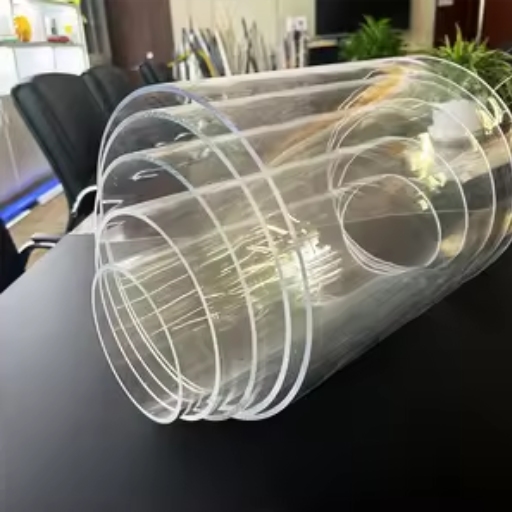
Acrylic tubes are the materials that weigh less, are stronger, and are extremely transparent with a wide range of applications like aquariums, filtration systems, and decorative displays. Their excellent optical quality allows for viewing without any barriers, besides, they are also resistant to breaking and cracking. Acrylic is very easy to handle – it can be cut, shaped, and bonded without trouble, thus it will be perfect for the creation of custom products. Moreover, it is more resistant to impacts than glass which means that it offers a safer and more practical choice for places where toughness and flexibility are needed.
What is an Acrylic Tube?
An acrylic tube is a hollow, cylindrical structure manufactured using acrylic material, which is also referred to as polymethyl methacrylate (PMMA). Due to its properties such as low weight, high durability and high transparency, it can be used in the applications where both strength and optical clarity are required. Acrylic tubes find their way into the construction, design and engineering industries where they are employed for different functional and decorative purposes as their main usage.
Benefits of Using Clear Acrylic Tubes in Aquariums
Key Advantages
- ✓
Exceptional Transparency: Nothing can obstruct the view, allowing the audience to enjoy the fullest extent of the underwater life - ✓
Superior Strength: Very strong and do not break easily, making them a safer choice than glass - ✓
Lightweight & Malleable: Easy to manipulate and can be formed into different shapes for innovative designs - ✓
Water Resistant & Durable: Quality material that lasts a long time, making them very suitable for use in water environments
Comparison: Acrylic vs. Other Plastic Tubing
Types of Acrylic Tubing

1. Clear Acrylic Tubing
Transparent and versatile, best choice for applications demanding visibility, like aquariums, DIY projects, and display cases.
2. Colored Acrylic Tubing
Comes in a variety of colors, mainly used for decorative purposes and applications like signage and lighting designs.
3. Textured Acrylic Tubing
Characterized by unique patterns or finishes, very much used in aesthetic enhancement for design-focused projects.
4. UV-Resistant Acrylic Tubing
Can withstand extended exposure to sunlight, perfect choice for outdoor applications.
5. Impact-Resistant Acrylic Tubing
Has increased durability, used in environments like industrial sectors where strength and resilience are primary concerns.
Note: All the types of acrylic tubing provide distinctive benefits, so the user can choose the option that best suits his/her requirements.
Standard Acrylic Tubes
Standard acrylic tubes are multipurpose and inexpensive, thus, superb for innumerable general applications. Optically clear, light in weight, and easily fabricated these tubes can be applied in projects like exhibit cases, interior design elements, and the likes of protective covers. They are a safe option where no such advanced characteristics as UV resistance or impact strength are needed.
Thick Wall Acrylic Tubes
Thick wall acrylic tubes are meant for applications that require excellent durability and strength. Their sturdy build guarantees even higher resistance to pressure and impact thus, they are ideal in demanding situations such as structural supports, industrial equipment, and heavy-duty displays. They still have great optical clarity and give the toughness required for the more harsh use-cases, thus, they are the perfect choice when the standard acrylic tubes cannot cope with the situation.
Clear Plastic Tubes for Aquatic Environments
Due to clear plastic tubes being moisture and corrosion resistant, they are the best option for aquatic environments. Moreover, their optical clarity provides perfect sight, thus making them suitable for aquariums, underwater piping, or setups for water-testing. The tubes are also weightless and strong, which makes them last long even in wet or submerged conditions.
Applications of Acrylic Tubes in Reef Aquariums
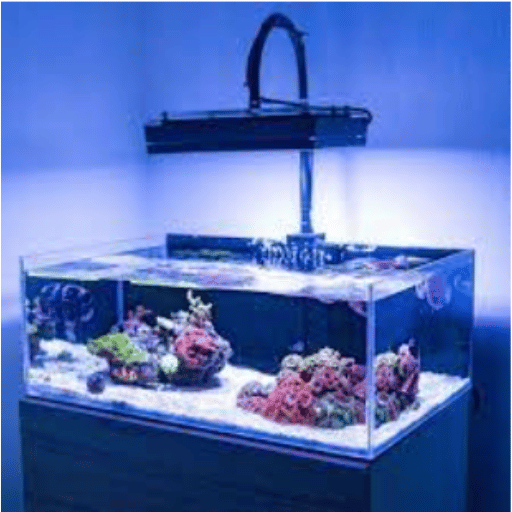
Because of their transparency, strength, and versatility acrylic tubes are the most popular among reef aquariums. Their common uses include:
- 1
Plumbing Systems: Due to their sturdiness and non-corrosive properties against seawater, acrylic tubes are the best choice for water circulation and filtration systems. - 2
Protective Covers: They can be used to protect fragile elements, such as the lighting and heating fixture, from the water by providing shading. - 3
Feeding Mechanisms: Clear acrylic conveying tubes facilitate the process of providing food right to the areas of the tank where it is needed and at the same time keeping the surroundings clean. - 4
Aquascaping: Acrylic tubes are capable of becoming part and parcel of the aquascaping art and the result will be coming out with innovative forms where fish and corals will be able to meet each other.
All these applications indeed make acrylic tubing a flexible and indispensable material for not only the functioning but also the aesthetic aspect of reef aquarium setups.
Utilizing Acrylic Tubes for Filtration Systems
Acrylic tubes are the backbone of filtration systems that are durable and efficient for reef aquariums. They are a must for the sump installations as they are the ones that lead the water flow through different chambers for the filtration to be effective. The fact that they are transparent makes it very easy to see the water movement and thus, any blockages or inefficiencies can be detected very quickly. Moreover, acrylic tubes are not affected by corrosion, which means they can be used for a long time in a marine environment without any problems. Aquarists can reach the best water quality through the use of acrylic tubing in their filtration systems while making the area look clean and professional.
DIY Projects: Building Custom Aquarium Structures
Custom-made aquarium structures not only serve their purpose but also add to the beauty of the tank. Here are simple steps you can take to start making your own structures:
Step 1: Plan Your Design
Draw your structure keeping in mind the dimensions of your aquarium and its shape. Make sure your plan allows sufficient areas for hiding and swimming for your fish.
Step 2: Choose Safe Materials
Aquarium-safe materials like PVC pipes, acrylic sheets, or natural stones should be used. Chemicals that are harmful to the aquatic life should not be released by the material.
Step 3: Cut and Assemble Components
Materials should be cut down to size with the right tools. Use aquarium-safe glue or silicon to hold them together, making sure to create a strong final structure.
Step 4: Rinse Thoroughly
No matter how seasoned you are at making these, do not skip this step; a thorough rinse with clean water of your creation will be necessary to get rid of dust and small particles.
Step 5: Monitor After Installation
Aquarium structure should be closely monitored as it might affect the environment thus the safety and stability of the aquatic life should always come first.
Success Tip: These steps will help you build a fish tank that is not only visually stunning but also meets the habitat requirements of the fish.
Replacement Tubing for Existing Systems
When changing tubes for old tanks, it is vital to size and material specify the new tubes just like it is done with your current system. First, measure the diameter and length to be certain that it is going to fit properly. Make use of strong and non-toxic materials like silicone or PVC, which are considered harmless to the aquatic environment. Always check the compatibility of your new tubing with your existing equipment, which may include filters, pumps, or air stones. To get the best results, clean and check all the connections thoroughly before installing so that you can get a secure and leak-free fitting. If you see any signs of wear, discoloration, or blockages replace the tubes immediately in order to be sure that your system is working at its best.
Choosing the Right Acrylic Tube for Your Setup

The choice of the correct acrylic tube for your aquarium installation is determined by some major factors:
Key Selection Factors
1. Tube Diameter
Make sure the diameter of the tube is compatible with the filtration system, equipment or use intended. Measure exactly to eliminate problems related to fitting or flow.
2. Wall Thickness
Pick a thickness that is able to cope with the pressure requirements of your system. Thicker walls are more robust, but they may also decrease flexibility.
3. Clarity
If visibility is a priority, like in a display or for the structural applications within the tank, then high-clarity acrylic should be selected.
4. UV Resistance
The acrylic tube for systems with high lighting should be UV-resistant to avoid discoloration and degradation over the years.
5. Customization Needs
Think about the degree to which the tubing will need to be cut, shaped or bent for your project. For custom builds, specialized acrylic products may be necessary.
Important: Evaluating these factors thoroughly, you will be able to select an acrylic tube that will give better functionality and beautiful appearance to your aquarium setup.
Factors to Consider: Diameter and Length
The choice of acrylic tube diameter and length for your project must be done according to the specific needs of your configuration. The diameter must not only meet the purpose of the flow or fitting but also make sure the structure is compatible. For example, high-volume applications might require larger diameters while smaller ones can serve precision or space-limited installations. For length, it should be just enough for your design, without any unnecessary excess that could make the assembly harder or create a mess. It would be beneficial to have the option of customizable tubing in case changes are expected. Proper dimensioning will not only guarantee the performance but also ensure the aesthetic integration.
Understanding Fittings and Connections
Fittings and connections are absolutely vital for the secure and efficient integration of systems. The choice of the appropriate kind is determined by factors like the compatibility of the materials, pressure handling, and installation ease. Among the frequently used types are push-to-connect, threaded, and compression fittings, and every one of them provides specific advantages that are suitable for particular applications. For optimal functioning, make sure proper sizing and compatibility with the tubing are maintained, as misaligned connections can result in leaks or reduced efficiency. Fittings of the highest quality will not only boost functionality but will also make maintenance and adjustments to the system easier.
Evaluating Rigid vs. FlexibleTubing
The decision between rigid and flexible tubing is mainly based on the particular requirements of the application. Rigid tubing is characterized by its excellent structural stability, high-pressure tolerance, and precise routing properties that make it suitable for fixed installations and systems with low vibrations. On the contrary, flexible tubing provides an array of features such as easy installation, the ability to absorb movements or fit into confined places, and is thus typically recommended for dynamic systems or places where adjustments are made frequently. In the end, it is essential to think about operating environment, pressure, and maintenance factors to select the best option for your application.
Reference Sources
- Reef2Reef – Acrylic/Plastic Tubing
Elucidates the application of acrylic tubes in dosing systems and other attachments for reef aquariums. - Canreef – What to Look for in an Acrylic Tank
Gives an overview to the structure and advantages of acrylic tanks, along with their design and feature. - Red-Fin – Custom Acrylic Aquariums
Discusses the pros and cons of acrylic in custom aquarium applications, including displays and public tanks.
Frequently Asked Questions (FAQs)
What is a reef tank acrylic tube?
A reef tank acrylic tube is a look-through plastic tube that is very strong and it is used in a reef aquarium for a variety of applications such as water circulation, dosing systems, and supporting structures.
Why use acrylic tubes in reef tanks?
Acrylic tubes are ideal to be used in reef tanks due to their transparency, lightness, robust nature, and being unbreakable in case of a leak from the saltwater tank.
What are the common applications of acrylic tubes in reef tanks?
The main applications for acrylic tubes are in dosing systems, overflow pipes, custom filtration setups, and as decorative elements in aquariums.
Are acrylic tubes customizable?
Indeed, acrylic tubes can be cut to size, bent and molded to the specific design and requirements.
How do I clean acrylic tubes in a reef tank?
Non-abrasive cleaning tools and mild cleaning solutions are the best choice to clean acrylic tubes in a reef tank as they will prevent scratching the surface of the acrylic.
Conclusion
Clear acrylic tubes represent an exceptional solution for aquarium and reef DIY projects, combining unmatched transparency, durability, and versatility. Whether you’re building custom filtration systems, designing innovative aquascaping features, or upgrading existing infrastructure, acrylic tubing offers the perfect balance of functionality and aesthetics. By carefully considering factors such as diameter, wall thickness, UV resistance, and customization needs, you can select the ideal tubing to transform your aquatic vision into reality. With proper installation and maintenance, acrylic tubes will provide years of reliable performance while enhancing the visual appeal of your underwater ecosystem.