
Choosing the suitable frame material is a dilemma of acrylic glass vs. conventional glass. Nevertheless, this choice frequently puts people in a dilemma of which option is better for their needs. These two materials offer distinct advantages and characteristics, each excelling in areas such as durability, clarity, weight, and functionality, among others. If you are framing artwork, photographs, or even important documents, knowing the differences between the two can guide you through the decision-making process. The following article will outline the main contrasts between these two materials, including their usability, benefits, and ideal applications so that you can choose the right one for your specific requirements.
Introduction to Acrylic and Glass
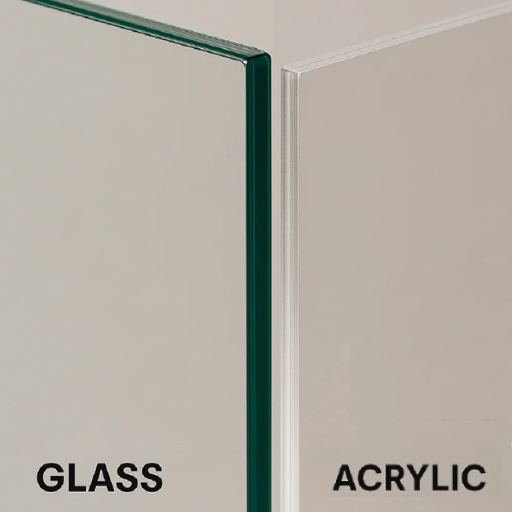
Acrylic and glass are among the most popular materials for framing and protection applications. Acrylic, a plastic that is light and difficult to break, is known for its resistance and flexibility. Glass, however, is a classic and super-explicit material that is acknowledged for its quality and scratching resistance. The two materials have similar applications but differ in weight, fragility, and price, so the decision between them depends on personal requirements and priorities.
Defining Acrylic Glass and Its Uses
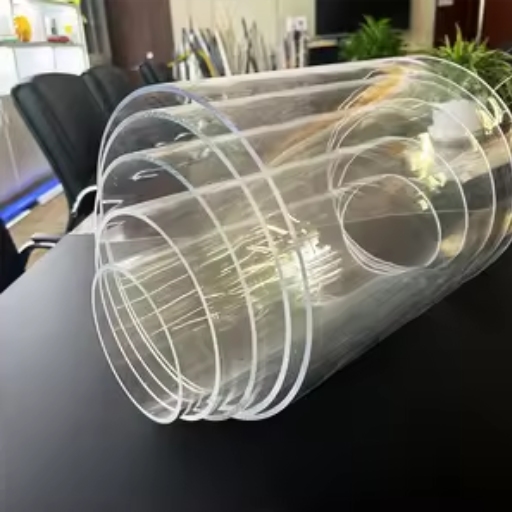
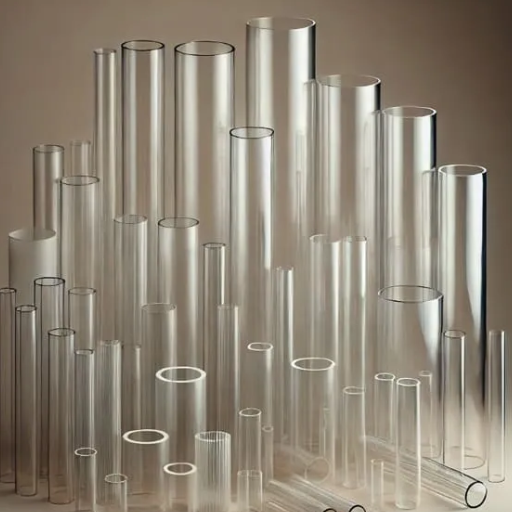
Acrylic glass, also known as polymethyl methacrylate (PMMA) or by brand names like Plexiglass and Lucite, is a transparent thermoplastic typically considered a lightweight and shatter-proof replacement for conventional glass. Its strong points make it suitable for a variety of uses. One of the main areas is its application in the signage industry, where its ostensible clearness and resistance to bad weather make it perfect for outdoor advertising. Furthermore, acrylic glass has been a common choice in building for the windows, skylights, and barriers where it renders very tough yet not obscured by the transmitted light.
Moreover, acrylic glass has become a sought-after material for uses beyond architecture, such as in aquariums, protective barriers, and even medical instruments, because of its toughness and moulding capability. Its capacity for being cut, shaped, and polished so easily results into being used in creative ways like furniture design and interior decorations. Also, it is worth mentioning that progress in manufacturing methods has resulted in acrylic glass becoming even more scratch-proof and UV-proof and hence its applications have been further extended. Its quality of being multipurpose and its cost-effectiveness have made it a material of choice for industries across the globe hence its widespread use continues.
What is Glass?
Glass is a non-crystalline, transparent material mainly composed of silica (sand), with soda ash and limestone as its other ingredients. After being melted at very high temperatures, they are allowed to cool slowly, during which the material hardens into a glassy shape without developing a regular crystalline pattern. This extraordinary arrangement allows glass to exhibit its characteristic transparency and its versatility in a wide range of applications.
The glass industry has been a thriving market for various applications, primarily due to the material’s durability, recyclability, and aesthetic properties. Glass is found everywhere, from windows to bottles, screens, and fiber optics. Modern technology has produced a variety of glass, including tempered glass, which is made stronger, and low-E glass, which saves energy by reflecting heat inside. In addition, the ability of glass to be molded, tinted, and treated enhances its adaptability, making it an essential material in every functional and decorative application.
Importance of Comparing Acrylic vs Glass
When making the choice between acrylic and glass, it is essential to take into account several factors such as durability, weight, cost, and application. Glass is the material that offers the most scratch resistance and has the clearest look. Therefore, it is the best option for applications where a high-quality and long-lasting finish is required. Besides, tempered glass offers more strength and safety; furthermore, types like low-E glass provide energy-efficient solutions. The only downsides to glass are its weight and fragility, which might limit its usage just in some situations.
On the contrary, acrylic has a significant advantage over glass: it is very light, shatter-resistant, and cheaper. This material can easily be handled and transported, thus making it appropriate for applications where safety and flexibility are required. On the downside, acrylic can get scratched more often, and what is more, its appearance may require special care. A side-by-side comparison of these materials helps ensure the selection is based on the specific requirements of a project, thereby achieving the right blend of functionality, durability, and cost-effectiveness.
Key Differences Between Acrylic and Glass
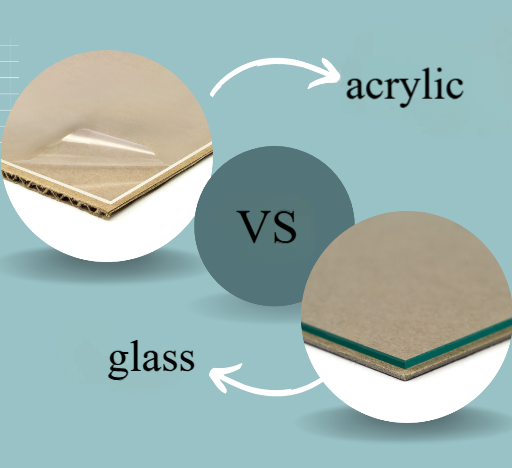
Acrylic and glass differ in weight, durability, clarity, cost, impact resistance, and maintenance requirements.
Clarity and Optical Properties
Considering clarity and optical properties, both acrylic and glass possess special advantages. Acrylic provides excellent light transmission of about 92%, which is the same as glass. It’s natural clarity is often great for applications such as after display cases and signage. Whilst acrylic has the significant drawback of being scratch susceptible which affects its optical quality to a minor extent and requires maintenance to prolong its life.
On the contrary, glass is still in high demand because of its crystal clear look and also its non-discoloring feature during extended use. Also, glass is not as easy to scratch as acrylic thus, acrylic would always need to work harder to keep the shine of its surface under normal circumstances. Moreover, glass is a bit more expensive, but it is worth it because now it comes with a natural glamour that is not only invisible but also sophisticated. Therefore, when choosing between acrylic and glass for a specific purpose, it is always a matter of determining priorities regarding clarity and the material’s working conditions.
Weight and Durability
In evaluating acrylic and glass, weight and durability are of utmost importance. The glass is heavier; however, it offers rigidity and a significant resistance to bending under pressure. In contrast, the weight of acrylic is a considerable advantage and therefore, it is perfect for applications where weight is a concern, like large displays or portable designs.
The difference in durability is another point of comparison. Acrylic is impact-resistant, which makes it less likely to shatter. Thus it is safer and more suitable for places where breakage could cause a hazard. On the contrary, glass is harder and is less likely to get scratched on the surface, thus ensuring a longer-lasting, unblemished appearance for applications where aesthetics is a priority. To conclude, the decision between the two materials for a particular application depends on whether lightness and flexibility or hardness are preferred.
Impact Resistance and Safety Features
In terms of impact resistance and safety, acrylic is the clear winner over glass as it is up to 17 times stronger than standard glass. This makes acrylic the material of choice in applications where the risk of breaking is a safety issue, such as in children’s rooms, sports facilities, or safety barriers. In contrast to glass, which, when broken, produces sharp and dangerous shards, acrylic breaks in a way that no hazardous debris is created, thus increasing its safety rating.
On the contrary, glass is more scratch-resistant and temperature-stable than acrylic, making it a perfect candidate for places where toughness and heat-resistance are the main concerns like, cookware, lab apparatus, and some architectural features. Decorative tempered or laminated glass can provide additional safety since these types are intended to either break into less harmful shards or stay in one piece during collision.
In the end, the decision regarding the use of either acrylic or glass relies on specific needs, with acrylic being preferred for safety-critical, lightweight, and impact-resistant applications, while glass is the choice for applications requiring hardness, scratch resistance, and thermal endurance.
Benefits of Using Acrylic Over Glass
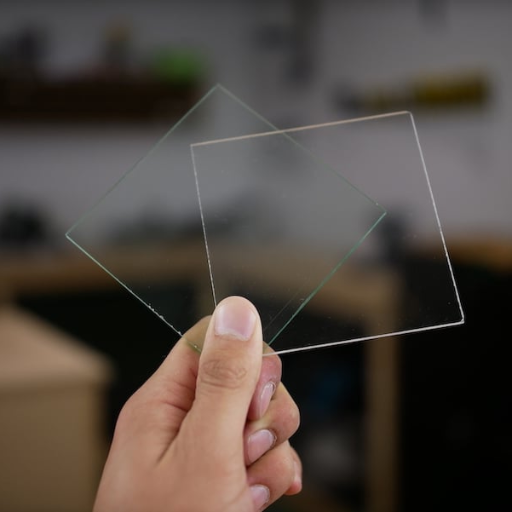
Acrylic has the upper hand versus glass in many regards; therefore, it is widely accepted and preferred in different applications. It weighs much less, thus it is easier to install and handle, and at the same time it has a higher resistance to impacts, so the risk of breakage is safer. Among its many benefits, acrylic can be shaped more easily, thereby giving designers more freedom. Moreover, it has better light transmission than glass, so the resulting clarity and visibility is also better. All these advantages turn acrylic into a realistic alternative in situations where safety, durability, and versatility are the primary concerns.
Lightweight Nature and Handling
The lightness of acrylic is probably its most outstanding quality, making it a material of choice for many industries. It has a weight about 50% lower than glass, which not only reduces transportation costs but also considerably simplifies the installation process. This characteristic is particularly advantageous in the areas of architecture, car design, and airplane construction where it is essential to minimize total weight. In addition, the material’s light weight doesn’t decrease its strength, allowing it to be used in difficult conditions with both efficiency and durability.
UV Resistance and Longevity
One of the features of acrylic is its outstanding resistance to UV rays, which makes it affordable for outdoor use. To give an example, some materials used outdoors can lose their original color over time due to sunlight. In contrast, acrylic will remain as clear and colorful as it was initially, making it perfect for both indoor and outdoor applications. The mentioned UV resistance allows acrylic products to maintain their visual and practical qualities even in very demanding climates, making them suitable for various purposes like signage, windows, and barriers that need protection from prolonged sunlight exposure.
Cost-Effectiveness of Acrylic Sheets
The use of acrylic sheets as a cost-effective material for various purposes is mainly due to their durability, versatility, and minimal maintenance requirements. Besides, acrylic sheets are usually cheaper than other materials such as glass, and their clarity and strength are just as good as glass. Not to mention, their being lightweight helps to lower both transportation and installation costs. On top of that, the long lifespan of acrylic sheets results in infrequent replacements, thus reducing overall expenses over time. All these features combined render acrylic sheets an economical option for residential as well as commercial applications.
Common Applications of Acrylic and Glass
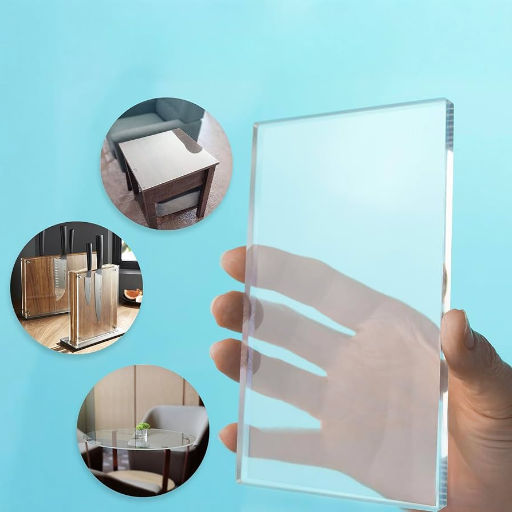
Acrylic and glass are two materials that are frequently utilized in many different industries and applications mainly because of their flexibility and strength. Due to its low weight and high resistance to impacts, acrylic is primarily used in making signs, display cases, aquariums, and protective barriers. On the contrary, glass is commonly used in areas such as the outside of buildings, mirrors, table tops, and ornamented features because it is clear and hard to scratch. Both plastics have large amounts of worldwide consumption in the areas of architecture, interior design, and industrial applications where they can provide different solutions according to their specific needs.
Use in Picture Frames and Glazing
Acrylic and glass have become the most common materials for picture frames and glazing, each offering distinct advantages. Among these, acrylic is the most preferred because of its shatter-resistant and lightweight nature, making it a perfect choice for oversized frames or places where safety is an issue, such as in the case of children and in high-traffic environments. Besides, its UV-resistant variants also play a considerable role in protecting artworks and photos from fading over the years.
On the other hand, glass is characterized by its heavy and fragile nature, but it wins the battle of superior clarity and scratch resistance. Hence, it seems to be a perfect choice for those who seek a classic and luxury aesthetic. Furthermore, good visual presentation is often a reason for choosing glass when framing fine art or photographs. Besides, coating technologies and improved UV protection are new advancements in both materials, enhancing their performance and offering custom solutions to meet a wide range of framing and glazing needs.
Industrial and Commercial Uses
Because of their remarkable characteristics, both glass and acrylic are heavily used in many different applications in the industrial and commercial sectors. Among other uses, glass is the primary material for constructing windows, facades, and solar panels because of its strong, clear, and thermally insulating properties. Electronics also count on glass, for instance, in smart device screens and optical lenses where precision and scratch-resistance are the main requirements. On the contrary, acrylic is valued for being lightweight and shatter-resistant which is why it is often used in the making of signs, retail displays, and protective barriers. The transportation industry is also very much dependent on acrylic for manufacturing windshields and skylights, while glass is used mainly in automotive and aerospace applications. Both materials are still being improved with the help of technology in areas like heat resistance, anti-glare coatings, and increased strength, thus they are sure to remain important in the modern industrial and commercial world.
Artistic and Creative Applications
Because of their flexibility and aesthetic quality, acrylic and glass are the most popular materials in the art and creativity worlds. Acrylic is a plastic material that is very tough, light, and easy to shape, making it ideal for sculptures, installations, and custom displays. Besides that, it comes in an array of colors and textures, which gives artists and designers a wide variety of options. Conversely, glass is recognized for its classic beauty and clarity; it is often used in stained glass, art, decorative panels, and fine crafts. Both are the primary sources and supporters of the limitless artistic expressions that invention and design imply.
Cost Differences: Acrylic vs Glass
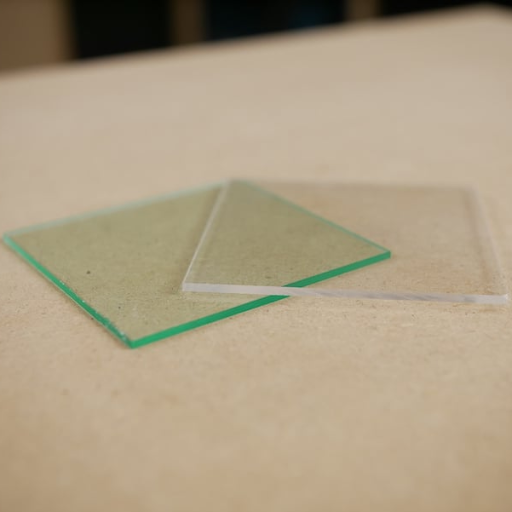
Acrylic is generally more affordable, lightweight, and easier to transport than glass, which is pricier, heavier, and more prone to breakage.
Comparative Pricing for Acrylic Sheets and Glass
Pricing for acrylic sheets and glass, in particular, has to be considered by taking into account various factors, which are size, thickness, quality, and whether customization is needed or not. Acrylic sheets are usually cheaper, with the prices for standard sizes and thicknesses beginning at about $10 to $20 per square foot. The cost for top-notch or UV-resistant acrylic may be higher, usually between $25 and $50 per square foot. In contrast, glass options, especially tempered or laminated types, are much more expensive, generally starting at $20 to $30 per square foot and going up to $60 or more for specialty glass. The disparity mentioned above highlights the low cost of acrylic, especially for projects that require lightweight, durable, and easy-to-customize materials.
Long-Term Value Considerations
Acrylic is an excellent long-term value in the end because its durability, weather resistance, and lower maintenance requirement compared to glass. It is tough to break, shatter or lose its quality, thus making it an economical option for both indoor and outdoor applications. Although premium glass might be better in scratch resistance, acrylic’s light weight, and ease of replacement often lead to an overall reduced project cost in the long run. Moreover, the acrylic’s ability to maintain clarity and color for long periods continues to make it a reliable and attractive material option.
Budget-Friendly Options for Different Uses
When discussing acrylic and glass as budget-friendly options, I always come to the conclusion that acrylic is the more economical choice upfront owing to its lower cost and easy handling. Besides, glass is heavy and its transportation and installation costs are high. But glass can be more economical in the long run for such applications that need higher scratch resistance or extreme durability. To sum up, I would choose either acrylic or glass based on the individual project specifications, including durability, clarity, and budget limitations.
Reference Sources
- Acrylic Polymer Transparencies
Portland State University – PDXScholar
This source discusses the use of acrylic and plexiglass in transparent applications. - A Review Article on Acrylic PMMA
Academia.edu
This article provides an overview of acrylic’s properties and its applications as a glass substitute. - Exploring New Glass Technology for the Glazing of Papyri
Universitat Pompeu Fabra Repository
This research discusses advancements in glass technology and its comparison with acrylic materials. - Top Acrylic Sheet Manufacturers and Suppliers in China
- Guide for Laserschneiden Acryl
Frequently Asked Questions (FAQs)
What are the key differences between acrylic and glass?
Acrylic, or plexiglass, is a plastic substance that is less heavy and more resistant to breaking than glass. Meanwhile, glass has been extensively used in various fields, but it cannot compete with acrylic in terms of impact resistance, and acrylic is less likely to chip or crack. Therefore, acrylic is an excellent choice of material for places with heavy traffic or where kids and pets are present.
Is acrylic better than glass for picture framing?
Acrylic is usually thought to be a better glass substitute for picture framing, owing to its weightlessness and non-breakable nature. Moreover, high-quality acrylic sheets can provide excellent visibility while preventing UV penetration, thus preserving the paintings from fading. Many framers have started using acrylic to create larger frames without the risk of breakage.
How does acrylic compare to tempered glass?
Tempered glass is stronger than ordinary glass and is processed to take up higher impacts. On the other hand, acrylic is sometimes considered more durable because it is shatterproof and less susceptible to scratches. Thus, even though tempered glass might split or chip, acrylic is practically unbreakable, thus its use in many situations is considered safer.
Can acrylic be used instead of glass in custom framing?
Indeed, acrylic can be effectively used instead of glass for custom framing. The light nature of the material makes it easier to handle and install. At the same time, its shatter-resistant property ensures the safety of framed objects in case of accidents, especially in areas frequented by small children or pets. Besides, acrylic sheets can be made to suit any size of the frame.
What are the pros and cons of using acrylic over glass?
One of the significant advantages of acrylic is its robustness and breakage resistance, thus it can be placed in heavily visited areas but at the same time it would not pose a danger. However, on the flip side, acrylic can suffer from more scratches and damage than glass and would not last in terms of aesthetics as long as glass would. Nonetheless, it is a choice that many people prefer especially when it comes to the convenience and lightweight attributes of acrylic.
What factors should I consider when choosing between acrylic and glass?
Weight, durability, clarity, and UV protection are the factors you should keep in mind while choosing between acrylic and glass. Acrylic wins because it is lighter, more shatter-resistant, and thus even more secure in some situations. Glass, on the other hand, imparts a classic look and may be the one selected for its scratch-resistance. In the end, the best option will be determined by the use case and personal taste.