
Creating urban habitats that function effectively and offer comfort is a significant concern in modern infrastructure and urban planning. Protecting unwanted sounds and weather-related disruptions are some of the paramount functions of noise and wind barriers. But have you ever considered the materials that go into these barriers and their usefulness, durability, and aesthetic appeal? Let’s focus on what acrylic is: a flexible material that defies all convention of how a partition is understood. This piece will explore the features of acrylic that help communities combat noise and wind as opposed to the use of any other material and how this material contributes to the performance and to the aesthetics. If you are an engineer, a designer, an architect, or just someone fascinated by cutting edge building inventions, consider reading this paper – it will enlighten you greatly on the potential advances of the recent acrylic inclusions in wall or sound baffles.
What Are Noise and Wind Barriers?
Noise and wind barriers, also known as sound walls or noise walls, are structures created for the purpose of abating noise pollution as well as creating a form of wind shielding. They are typical along highways, streets in industrial areas and railway lines or anywhere that has channels or that adjoins busy streets as walls which either stop completely or reduce the transfer of sound waves hence bettering the quality of life of the surrounding community. These barricades serve a purpose of windbreaks too; encircling buildings, areas of green space and even manmade facilities from the damages associated with heavy and constant blowing winds. With the fusion of long time effective use and guaranteed durability, these barriers those serving for the containment of winds and the suppression f sound become a creative technology within the construction of safe and comfortable spaces in the urban and non-urban localities.
Definition and Purpose
Considerable environmental challenges require more than just individual smokes, since its through a thoughtful combination of those engineering novelties that effective bedside of air degradation can be achieved. The engineering barriers are usually used to silence and blunt off excessive noise levels as well as to protect people and structures from the energy of winds. This data allow understanding of the fact that noise barriers can be constructed using such materials as concrete, metal or special composites which kill or reflect sound waves as much as possible. Wind pressure barriers work in the opposite way, disturbing the direction of the wind and thus muting destructive wind velocities and preserving the integrity of construction and outdoor activities. Incorporating high-performance materials and modern design, these barriers are constantly developing new solutions to satisfy the needs of urbanization and industry while also offering higher living and working standards to the affected population.
Common Applications
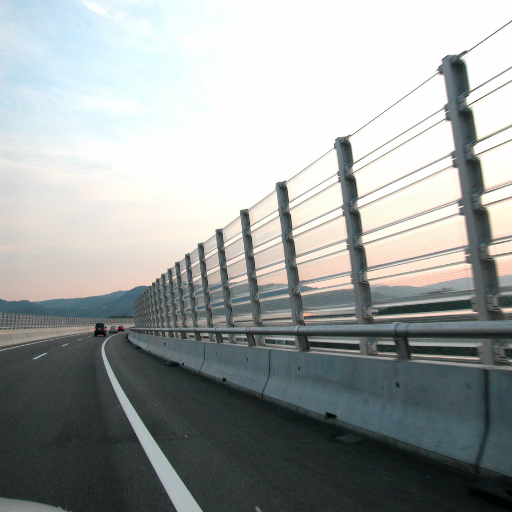
Situations arising from noise or wind pollution at the place of activity can be solved effectively by using sound proof and wind break barriers. Among the common uses of sound barriers, particularly ACRYLITE® Soundstop, are highways and railway transport where sound barriers are used to protect those near the roads and railways from being affected by traffic noise. Areas that utilise machinery in a big way are also known to use these types of barriers due to their enabling nature of sound control to reduce noise pollution within the perimeter of such places. Wind fences, on the other hand, are mostly functional in the farm to prevent the much dreaded strong winds squashing plantations down and in the coastal or mountainous regions for the protection of buildings and installations against the harsh weather conditions. In the case of densely populated regions, wind fences can help in reducing the discomfort of pedestrians traversing through narrow streets created by high-rise buildings along their borders.
Importance in Urban Settings
Urban comfort is a multifaceted issue which is never fully tackled. One of the aspects of variable importance in the context of urban comfort is the wind environment, which can affect the effectiveness of noise control along roads. It is evident that wind as an environmental factor in the urban spaces plays a big role with relation to the comfort. Although urban planners have a control over many development parameters, wind speed is a very difficult element to control due to its unpredictable nature. Today nobody can limit the use of high-rise buildings, and many people have scholar or dormitory houses in the high floors.
Modern mentality aims primarily to increase the intensity of commercial and pedestrian flows while ensuring effective airborne sound insulation. Consequently, significant parts of the cities become almost free from pedestrians and not many people would ever consider walking there.
New York, Tokyo and London have each taken on the challenges of city planning and they have not looked away from good design which explores wind as a barrier meaning more enjoyable open spaces. These barriers often include vegetation, trees or green walls to add an extra layer of greenery which is both healthy and pretty. It is clear that the designers manage to combine the practical with the beautiful in the case of wind barriers.
Leading Acrylic Solutions for Noise and Wind Barriers
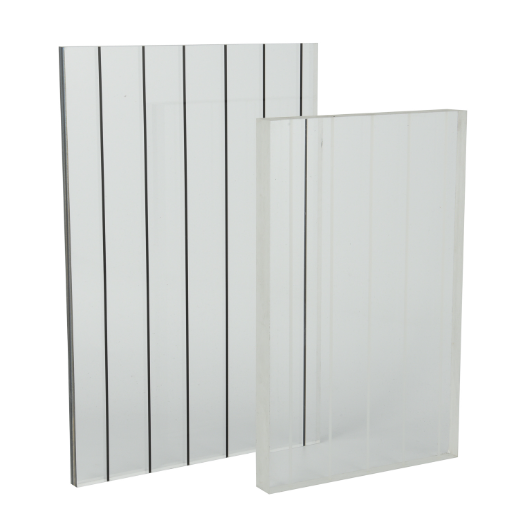
Given its ability to withstand variable weather conditions and age, thanks to light weight, clear resistance properties, Transparency and conformity to any shape, plexiglass validates its usage in noise mitigation. Being clear yet a great insulator at the same time, The ability of acrylic to deaden sound, effectually curb the problem of noise pollution in the congestion of urban centres and allows for unobstructed visibility. These properties increase its resilience and hence it remains outdoors no matter the prevailing environmental conditions for a very long time. Furthermore, it is pretty limiting to suggest that acrylic cannot be molded in any shape and thus it can only be unapplied in current style of architecture. Such qualities therefore make sure that acrylic succeeds as most common choice of noise and wind barriers approach that can contribute to eco friendly development in almost any country.
Overview of ACRYLITE® Soundstop
The ACRYLITE® Soundstop Sound Barrier is unique is design as it is made to the requirements of the modern city structures. This substance is purposeful in reducing the noise level, thereby it makes possible existence both in busy cement surrounds and in serene residential landscapes. The sound barrier has been manufactured to last; therefore, remorse of any damages caused by the effects of the sun as well as harsh weather is, yet to be reported. In addition, ACRYLITE® Soundstop has adorned bird-frightening strips, and there is minimal harm; better a few birds than the use of these strips as they still eliminate traffic noise and barriers. With remarkable functional predisposition that goes hand in hand with the design, it is on top when it comes to features of sound and wind barrier.
PLEXIGLAS® Noise and Wind Protection
The PLEXIGLAS Noise and Wind Protection innovative solutions are purposed to impede the sound and winds activities efficiently in one, offering abundancy of functionalities and transparency. Due to the fact that these obstacles can withstand all weather conditions and achieve a better rate of sound proofing, they can remove noise emissions without the above-mentioned disadvantage concerning their utility. It is also pertinent to note that the compound is both bulky and easy to administer due to the fact that it can be applied both in densely populated areas such as urban centers, expressways, and sites for selective protection and visibility.
Benefits of Acrylic Noise and Wind Barriers
Acoustic Control
These noise barriers do their industrial job excellently in all other aspects besides aesthetics, which is why it is widely used in highways, construction sites, as well as in residential areas near traffic roads and busy roads.
Longevity
The longevity of the material is assured given that the usage of Acrylic is makes it resistant to various environmental condition legalities that other materials would not be able to handle well.
Transparency
Its light and aesthetics allow the use of these barriers, such as ACRYLITE® Soundstop sheets, to be quite usable and also aids in providing some aesthetics.
Wind Protection
On the other hand, the acrylic barriers provide protection against strong wind in regions that have no obstacles to the flow of the wind there which enhances safety and comfort to people as well as buildings.
Low Maintenance
Acrylic with its slick surface that on can easily wipe off does not accumulate dirt but is rather low maintenance in appearance.
Enhanced Noise Reduction
For one, acrylic shields are formed to perform as cushions which serve to limit noise affectingly. Indeed, they were there to offer a solution of the noise menace pollution in metropolitan cities, residential estates and even at roadsides of busy highways. No matter how much people may not want to compromise the beauty of a certain room with sound proofing installation, they may opt to go for clear sound proofing; clear sheet soundproofing is the best. On top of the foregoing, the protectors can withstand optimum performance over time even at high decibel levels.
Long-Term Cost-Effectiveness
Contemporary data features on the possibility of interest the noise barriers from economical perspective and not just as a sound wave reflector. Over the first resistance to laying the noise barrier may certainly appear to be very high, its long life guarantees and minimum maintenance do in itself, ensure a financial relief in the very end. In addition, this strengthening of noise barriers in noise hazard location enhances the increase in the value of the properties considering that such locations are less attractive to the residents or entrepreneurs as it is quieter between other things. Besides, it has been also argued that noise barriers achieve health gains due to the elimination of noise induced diseases and this well-being results in fewer doctor appointments; urban planners and cities that wish to create local, healthy and environmental-friendly spaces should find it beneficial and strategic to deploy noise barriers.
Design Flexibility
With their ability to be custom-modified both structurally and aesthetically, modern noise walls are an ideal engineering solution for any specific requirements and conditions. Their utilization could be either from the design and installation of fences constructed from the materials such as wood, concrete or metal alternatively may be employing polycarbonate wall. Careful selection of the material will be based on resistance to the applied acoustical pressure. Besides, lately, even noise wall without its monotony and dampening of the effect has been developed. The integration of the provision of noise barriers with textures and patterns and their articulations with plant material enhances the design element of such walls. The customization practice concerning the application of ostomy bags not only optimizes their proper strategy for application but also minimizes their noisemaking intervention on urban and aesthetic landscapes.
Technical Specifications
| Key Point | Details |
|---|---|
| Material | Acrylic |
| Brands | ACRYLITE®, PLEXIGLAS® |
| Applications | Highways, Railways, Bridges, Walkways |
| Features | Noise reduction, Wind protection |
| Transparency | Up to 92% effectiveness in airborne sound insulation can be achieved with advanced materials |
| Durability | 30-year warranty |
| Safety | Impact-resistant, Bird protection |
| Customization | Colors, Sizes, Shapes |
| Standards | EN 1793, EN 1794 |
| Installation | Lightweight, Easy |
Case Studies and Real-World Applications
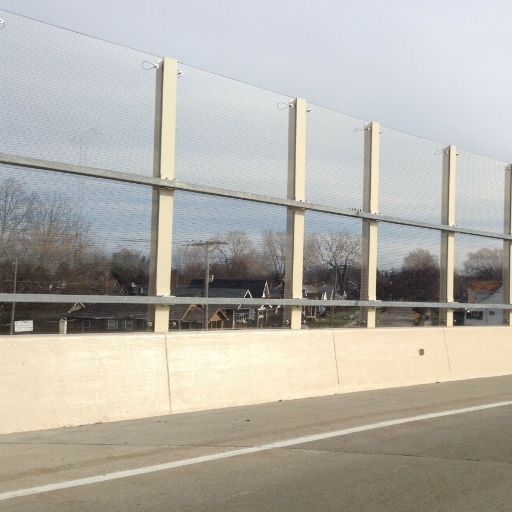
Many successful experiments were conducted using ACRYLITE® and PLEXIGLAS® materials for roadways, railways, buildings, footbridges, passages, and cities in order to provide means of noise and air shelter, while still preserving clarity, and disadvantageous, most importantly sustainability.
Successful Installations of ACRYLITE®
ACRYLITE® is quite popular in the noise barrier industry since it has been successfully installed in a number of projects around the world. For example, on the Bundesautobahn 1 in Germany, the ACRYLITE® Soundstop was used as a noise barrier and it was also able to act as an architectural facade. The fact that the system is transparent and thus allows free passage of daylight makes any visual pollution minimal and makes driving and residence around it extremely pleasant.
There is also an appropriate example of the application in the spatial design of the urban environment – noise protection walls along railways in the territory of Switzerland. Providing significant attenuation of sound consequently, they also harmonize with the cityscape taking the overall appearance a step forwards and providing its resistance against exterior conditions as well. This rightfully displays the value of ACRYLITE® in overcoming functional and design related barriers in noise absorption.
Projects Featuring PLEXIGLAS® Solutions
An excellent illustration of a progressive project introducing advanced proprietary PLEXIGLAS solutions relates to modern urban architecture. These high-performance polymethyl methacrylate resin sheets are in use primarily because of their outstanding clarity, ease of handling and strength, which is required for both physical and decorative applications. They are often also used in shopping malls, through the formation of light emitting skylight panels, to maximize properties of daylight and at the same time ensure appropriate level of protection against harmful ultraviolet rays. Furthermore, PLEXIGLAS is a popular material for making objects or displays that serve a particular purpose in an exhibition where transparency is the strict necessity and levels of communication are high. Each project reflects the efficacy and flexibility of PLEXIGLAS materials to address varying architectural and design problems.
Impact on Urban Landscapes
New technologies, such as PLEXIGLAS, are one of such opportunities, aiming to implement the existing principles and vision of costumes today as much as possible, and to also create new urban infrastructures and objects of the environment. Its characteristics and features, which are being lightweight and having high resistance properties, as well as the option to form in any shape, provides an immense potential in application in urban environment making it possible to construct non-standard designs within the city ranging from the roof sheds or wail partitions of a shelter to modern and protective intervention or the sound wails along the road networks overhanging the cities. Another area where PLEXIGLAS is very effective is green architecture which pursues designing and constructing energy efficient structures that are ecologically friendly. Its incorporation in building blocks in the recent past has been good news as it has brought about very effective measures that are in line with the global efforts of making cities smarter and most friendly. The future utility of this architecture, incorporating solid sheets for noise control along roads, is very encouraging as it also blends with modern designs that have proliferated over the years.
Frequently Asked Questions (FAQs)
Several advantages of acrylic sheets are associated with their use as noise barriers, where their capacity to insulate against sound in the air is remarkable; conversely, the fact that they are mostly transparent allows them to solve the issue of daylight suppression in such areas while reducing the noise from the traffic and in the urban environment. They are also cheaper than the standard materials, and can stand up to any weather condition which gives an advantage to the outdoor works.
An acrylic screen is made with expectations of growing better and better with time. Since its plastic composition is resistant to acting up to harsh outdoor elements, its uv resistance is of essentials that its content of light concentration does not increase under deterioration effect and also it does not get brown under rain, making acceptable as a street noise barriers.
Absolutely, the qualities cast acrylic possesses makes it highly suitable for noise reduction as it is thick and heavy hence enhancing the sound stop property. Company’s such as plexiglas® soundstop offer soundproof rigid sheets which are quite handy in reducing airborne sound hence is useful, for instance in areas close to highways and railways.
Clear acrylic sheets in soundproof technology are ultra-translucent. It has a light transmission of up to 92% which is needed to effectively provide sound attenuation at the same time allow inline of sight and semblance of reducer design.
One which comes to light on the difference in pricing between the two. Acrylic is preferred because it relatively cheaper compared to metals or concrete which are more convenient and they are easier to use. However, without further ado, it’s widespread use is possible. Being a light material, ACRYLITE® Soundstop is easier to transport, reduce cost, and hence having it installed for effective noise control. Additionally, its qualities such as strength and no upkeep required entail that in the future, savings will be huge hence worth the investment for noise control purposes.
Definitely! Acrylic sheets are very flexible in terms of design. For instance, the stereo images can be also applied to suit the particular requirements, and they can even be changed frequently through sound measures, enhancing airborne sound insulation. It helps to prevent the sound from passing through between the frames of the glass. They can use fatter ones or ones that have an integral composite of polyamide fibers for the added effect of sound insulation, again, that those making the request so wish.
Such features of plexiglass as resistance to brittle fractures and remarkable insulation of high-frequency noise are shattered by the forces of nature and its aggressive factors. Monolithic sheets of this material can be effective as a means of reducing noise on the transport networks, playing a transparent role and visually complementing the urban landscape. Also, it is completely clear with passing time, and so the clarity it provides is practically indefinite.
Acrylic provides better noise reduction performance than a lot of conventional materials due to its compact and dense form. It is possible to make use of some materials like soundstop gs, soundstop gs cc that is very efficient and helpful towards noise reduction aiding in attaining additional levels for sound from the base level up to 35 decibels, allowing for their use in the environmental pollution-free urban areas and those that accompany such nuisances as road noise.
Acrylic used as a noise barrier material must withstand adverse weather conditions like any other compound. The weather resistance of such a material enables it to retain its structural and performance integrity under a myriad of external conditions including, but limited to, Ultra Violet (UV) rays, rainfall and temperature variations. Such durability is pivotal to sound insulation properties being adequately structured when deployed outdoor for longer periods of time.
Reference Sources
- Evaluation of noise barriers based on geometries and materials: a review
Source: Springer - A review of research on environmental noise barriers
Source: SAGE Journals - Reducing avian mortality from noise barrier collisions along an urban roadway
Source: Springer