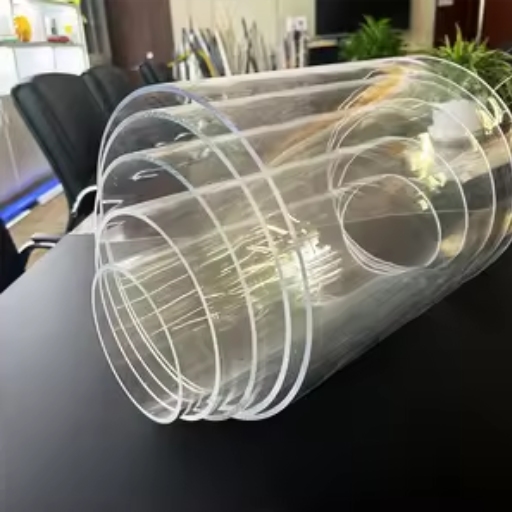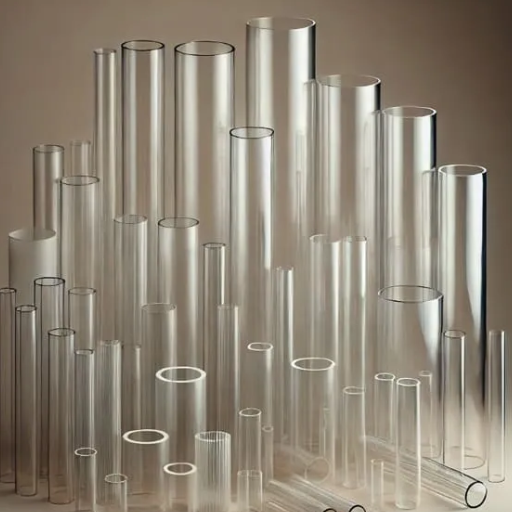

When selecting the best material for applications that require durability and clarity, glass and clear acrylic sheets are the two primary materials typically considered. Both have the same reputation for being highly transparent and aesthetically pleasing. Still, once we understand the difference between acrylics and glass, we find that there is a vast diversity between them in terms of weight, strength, cost, and versatility. These differences become factors for consideration when determining whether they are suitable for a particular project scenario. At the same time, the other is more suitable for different applications, ranging from architectural design to basic recreational homes. This article provides a detailed comparison between clear acrylic sheet and glass, allowing you to make informed decisions based on your specific needs. If you are curious about the safety aspect, economic efficiency, or aesthetic brilliance, this guideline outlines the pros and cons of both options to help you make a balanced decision.
Overview of Acrylic and Glass
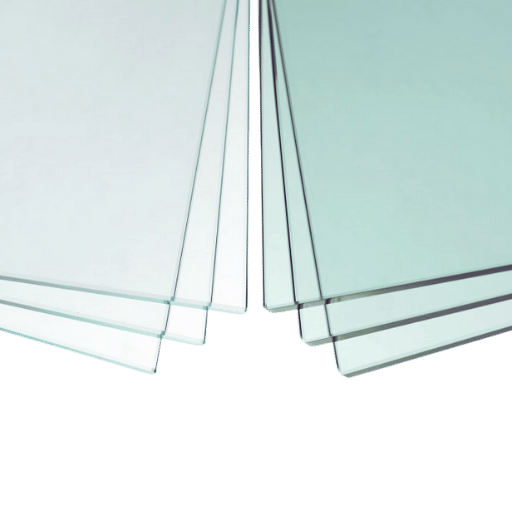
Acrylic and glass are a few types of materials that are widely used. Each of them has special characteristics, and so, each is best suited for a different type of application. Acrylic is a hard, thermoplastic that is lighter in weight than glass and offers good resistance against impacts. It boasts good optical clarity and works well when the price is kept lower than that of glass. Glass is heavier, less resistant to shocks, but more resistant to scratches, and can give a more elegant look. It is best suited when thermal resistance needs to be maintained and the materials are required to be used for an extended period under varying environmental conditions. They all have their pros and cons; therefore, the apt choice depends upon their usage, safety criteria, and cost.
Definition of Acrylic and Its Uses
Acrylic is a versatile synthetic polymer that originates from acrylic acid or substances that are closely related. Being lightweight, durable, and transparent, it finds enormous use as an alternative to glass. Some typical applications of acrylic include signs, display cases, aquariums, windows, and protective barriers. The ease of shaping, impact resistance, and comparatively cheap cost make acrylic a favorite among commercial and residential clients.
Definition of Glass and Its Uses
Glass is an amorphous, transparent material primarily composed of silica (silicon dioxide), although other metals may be added to enhance its properties. Glass-makers rave about its versatility, durability, and beauty. Glass is used in a wide array of applications and industrial uses, including windows, mirrors, lenses, containers for beverages, and display units for electronic equipment. Light transmission, alongside insulation and protection, is a fine art in various industries, including construction, automotive, and technology.
Common Applications for Acrylic and Glass
- Construction: Glass is used in windows, facades, and partitions; meanwhile, skylights, signboards, and decorative panels could utilize acrylic more.
- Automotive: Glass is required for windshields and windows, whereas acrylics are used to cover headlights within the automotive realm.
- Technology: Glass is paramount for the electronic display area, i.e., screens and touch panels. Acrylic is used for array device enclosures and lightweight display solutions.
- Retail and Advertising: Acrylic remains a chosen material for POS displays, signs, and exhibits that require clarity and sturdiness.
- Medical and Scientific Equipment: Acrylic is a high-clarity plastic with a sleek figure, or shall we say, it’s lightweight acrylic, making it great for various laboratory apparatus, panels, and medical tools.
Cost Analysis: Acrylic vs Glass
Initial Costs of Acrylic Sheets
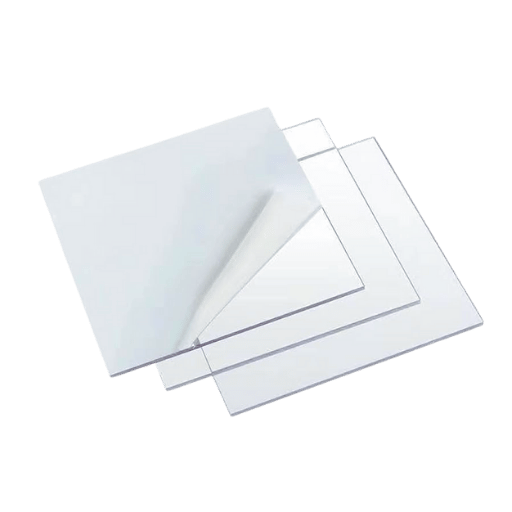
Acrylic sheets generally have a lower cost compared to glass, due to their relatively more straightforward manufacturing processes and lightweight composition. Conditions such as thickness, size, and quality can affect the prices. Often acrylic proves cheaper for large quantity projects, especially if the shape is custom. Lower shipping costs due to its lightweight are a plus for cost efficiency.
Cost Comparison with Glass Products
Among the price comparisons of acrylic sheets versus glass-related products, the determining factors include properties of materials, manufacturing complexity, and logistics. Acrylic sheets tend to remain comparatively inexpensive per square foot, especially for heavier panels. In contrast, the price of glass increases even more if tempered or laminated types are chosen for safety or durability purposes. Glass processing tends to be more energy-intensive, with processes such as annealing and tempering, thereby significantly contributing to its market cost.
Being heavier and fragile, glass incurs higher shipping and packaging charges to prevent breakage during transit. On the other hand, acrylic, being lightweight and impact-resistant, significantly reduces logistics and delivery losses. With glass costing approximately $5 to $10 per square foot for float glass, the acrylic sheets of similar specifications may vary from $3 to $8, depending on quality and thickness. All these factors invariably tend to tip the scales more in favor of acrylic on the cost-effectiveness score, particularly where weight and durability are significant considerations.
Long-term Value Considerations
When evaluated for long-term value, durability and maintenance provide pivotal parameters. The acrylic resists weathering, UV, general wear and tear, thus keeping its clarity and integrity for many years. Studies suggest that, with proper maintenance, an acrylic surface can last 30 years without significant degradation, offering greater durability than many conventional materials, including glass. With coatings, its resistance to abrasion and discoloration is further enhanced, which means extended lifetime for more arduous applications.
The material is recyclable, making it an environmentally conscious option. Provided that recycling facilities exist, disposed acrylic materials can be repurposed as secondary raw materials, thereby helping to reduce waste and promote the circular economy. Additionally, less frequent repairs and maintenance result in lower long-term costs for the upkeep of acrylic materials. Such traits of excellent longevity, strength, and recyclability make acrylic a material of choice for any project demanding long-term usability and cost-efficient applications.
Safety Considerations
Safety Features of Acrylic
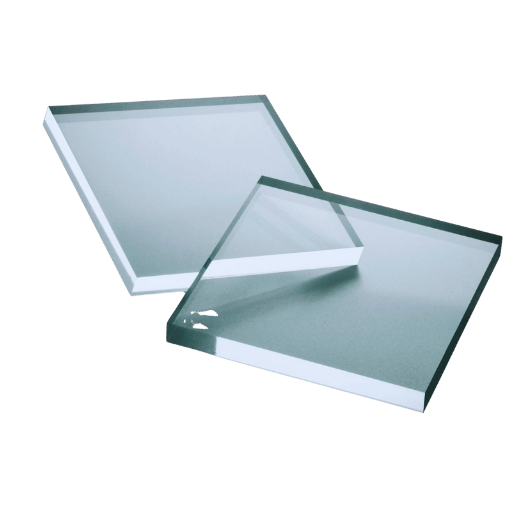
Acrylic is a common choice for applications that demand safety. Serious impact resistance is one of its main characteristics; acrylic may withstand impacts 17 times better than conventional glass. For environments where breaking could lead to accidents, this type of material is generally recommended. Once broken, acrylic does not create sharp, dangerous fragments, unlike glass, thereby minimizing the risk of injury.
Acrylic is highly resistant to chemicals, including many cleaning agents and solvents, which ensures that these materials can be safely and durably utilized in healthcare, laboratories, and other controlled environments. It balances clarity and light transmission so well that it can be used for safety shields, protective barriers, and enclosures, where visibility is crucial.
Nowadays, acrylic may be modified to yield flame-retardant grades. These special grades comply with stringent fire safety requirements and are used for construction, transport, and public spaces where fire resistance is of critical importance.
With its glass-like resilience, fracture resistance, chemical resistance, and fire safety options, acrylic significantly contributes to being a reliable and secure material for numerous professional and industrial applications.
Breakage and Safety Risks of Glass
Glass remains brittle and prone to breakage, making it inherently unsafe. The conventional type of glass may shatter if hit hard, subjected to thermal stress, or bearing faults, creating sharp and hazardous shards. According to industry statistics, thousands of people get injured each year due to broken glasses, mainly in household and workplace environments.
Safety measures have been implemented to mitigate these dangers, including the use of tempered and laminated glass. Tempering is a process in which the glass is rapidly cooled during manufacture, making it stronger and ensuring that it shatters into tiny, safer fragments when broken. Laminated glass consists of an interlayer, generally polyvinyl butyral (PVB), sandwiched between two sheets of glass; this interlayer retains the shards upon breakage. Such improvements have made glass safer for different types of vehicles, architecture, and consumer product applications.
Moreover, ongoing research continues to focus on finding new ways to reduce the risk of breakage and to improve chemically strengthened glass and hybrid composite materials. The aim here is to increase strength durability while maintaining the transparency and aesthetics of traditional glass.
UV Resistance in Acrylic vs Glass
|
Parameter |
Acrylic UV |
Glass UV |
|---|---|---|
|
UV Blocking |
Up to 99% |
Minimal |
|
UV Layer |
Optional |
Required |
|
UV Range |
320-400nm |
Varies |
|
Standard Grade |
High UV |
Low UV |
Optical Clarity: Acrylic and Glass
Understanding Optical Clarity and Its Importance
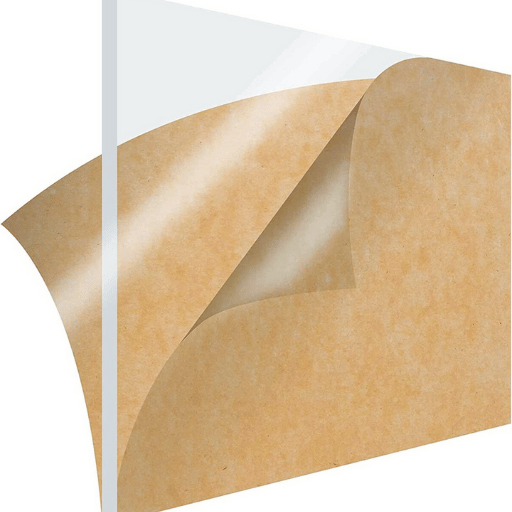
Optical clarity is the ability of a material to transmit light without scattering, distortion, or haze, which is an attribute considered crucial wherever maximum visual precision and transparency are required. For instance, the quality of optical clarity must be ensured to deliver on the promise of performance and user satisfaction in the automotive, architectural, or medical equipment industries. Acrylic is often preferred for its excellent optical clarity compared to glass; light transmission through an acrylic sheet is approximately 92%, whereas it ranges from 80 to 90% for regular glass, depending on the grade and type. It also causes less refractive distortion, making it suitable for displays, lenses, and protective shields where light must pass freely with minimal distortion, thereby preserving the integrity of images and objects viewed through the material. Optical clarity can be enhanced not only by choosing a particular type of material but also by surface treatments, coatings, or processes designed to resist glare or improve scratch resistance-these serve the dual purpose of transparent use and practical application.
Comparing Clarity in Acrylic vs Glass
|
Parameter |
Acrylic |
Glass |
|---|---|---|
|
Clarity |
92% light trans. |
90-92% light trans. |
|
Impact |
High resistance |
Shatters easily |
|
Weight |
50% lighter |
Heavier |
|
UV Block |
99% UV protection |
Minimal UV block |
|
Scratch |
Easily scratched |
Scratch-resistant |
|
Heat |
Low tolerance |
High tolerance |
|
Cost |
Affordable |
Expensive |
|
Eco |
Recyclable |
Recyclable |
|
Durability |
Shatter-resistant |
Brittle |
|
Aesthetics |
Modern look |
Timeless elegance |
Applications Requiring High Optical Clarity
Industries where transparency, durability, and performance are key are the few that require high optical clarity. The primary application of this feature is in the manufacture of optical lenses and eyeglasses, with materials like polycarbonate being preferred due to their high light transmission, exceeding 90 percent. In comparison, UV protection remains at 99 percent. This combination ensures that the wearer has the best possible vision while also protecting them from UV rays, which is essential for both corrective and protective eyewear.
Another key application lies in the fabrication of windshields, windows, and displays in the automotive and aerospace domains. Materials with superior clarity and impact resistance, such as polycarbonate or acrylics, ensure clear visibility even at high speeds while withstanding potential impacts. These materials go a long way toward making buildings significantly more fuel-efficient, emphasizing their prime importance in modern engineering.
Architectural applications are increasingly demanding a higher level of clarity from materials, particularly in applications such as skylights, glass facades, and indoor partitions, where natural light and aesthetics take precedence above all else. Today, the industry standard equals transparent materials that block UV rays while ensuring a sleek, modern appearance. Additionally, their recycling capabilities make them an excellent choice for green building.
Lastly, high optical clarity is critical for medical and scientific instrumentation, particularly in microscopy and diagnostic equipment. Scratch-resistant yet transparent materials ensure precise readings and swift operations, even under harsh conditions. These considerations position apparent materials as a key development partner across various technical and professional fields.
When to Choose Acrylic Over Glass
Practical Advice for Different Applications
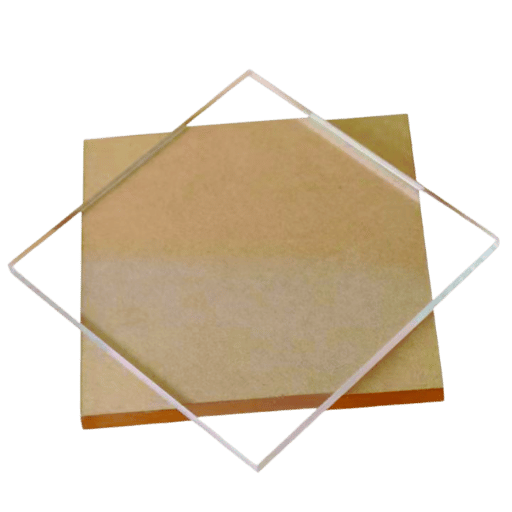
While acrylic and glass are highly versatile materials, their properties make them suitable for different circumstances, depending on the specific needs of an application. Acrylic (PMMA) is half the weight of glass and boasts an impact strength that is 10 to 20 times greater. This lends itself to use in applications that require strength and safety, such as in public aquariums, skylights, or as protective barriers in industrial locations. Additionally, acrylic has 92% light transmittance, which is nearly equivalent to that of the highest-grade optical glass. Hence, it can also be relied upon for displays, signage, and light-diffusing installations.
Glass, however, is used in applications where higher scratch and heat resistance are required, with higher rigidity being another key factor to consider. For instance, tempered or borosilicate glass works well under the thermal stress conditions encountered by laboratories, kitchenware, and solar panels. Laminated glass, on the other hand, provides structural enhancement and is extensively used in architecture for windows and doors requiring sound insulation and security.
Considered well-received in the outdoors, acrylic is noted for its UV and weather resistance, which can sometimes be further improved with specialized coatings to add extra years. Glass, however, still finds a clear preference for those applications where utmost longevity without deterioration of the material is critical, alongside locations where tending to the extra premium look and feel, or absolute clarity, is often vital.
When professionals understand the specific physical or chemical demands of a project, including all budgetary and safety aspects, they develop the insight to choose between acrylic and glass for a particular application.
Final Thoughts on Acrylic vs Glass
When choosing between acrylic and glass, the materials must be assessed based on their functional, aesthetic, or monetary capacity related to the issue. It is worth noting that acrylic is approximately 50% lighter than glass, making it easier to set up or handle, especially for large constructions or applications where weight is a concern. From another standpoint, acrylic has up to 17 times the impact resistance of standard glass; therefore, it is recommended in areas with a high risk of breakage or those that require a high degree of durability.
On the contrary, glass has the highest clarity of all materials; however, acrylic offers weight and cost advantages. Should anything scratch it, glass is highly resistant; it can also withstand temperatures and UV degradation better than acrylic, thus affirming its superiority for installations in hostile environments over time. That is a testimony in favor of glass, much like a case study from the advanced construction industries, which states that the use of ultrapolished lites can maintain appearances for decades with relatively low maintenance under heavy foot traffic in commercial environments. At the same time, acrylic usually involves periodic polishing to compensate for surface wear.
However, the choice of materials must ultimately be dictated by a meeting of performance metrics, such as optical clarity, weight, impact resistance, thermal resistance, maintenance requirements, and the specific demands that the use will place upon them.
Making the Best Choice for Your Needs
When deciding between glass and acrylic for my application, I would be very mindful of my requirements. I must prioritize glass when superior optical clarity and everlasting durability (without maintenance) are required. For greater realism, priority should be given to acrylic, as weight and impact resistance are crucial. The unique demands of the project will enable me to select material that meets my performance and maintenance requirements.
Frequently Asked Questions (FAQs)
Q: What is the difference between acrylic and glass?
A: The main difference between acrylic and glass concerning their material properties is the weight and the impact-causing properties of the two substances. Acrylic is a lighter plastic-like material known for its impact resistance and clarity, while glass has a greater density and is relatively fragile. I.e., “Acrylic,” also known as plexiglass, is much more durable and less prone to shattering than glass, so many people opt for it.
Q: Why should I use acrylic instead of glass for my picture frame?
A: There are several advantages of using acrylic for picture frames. It is lighter, thus easier to handle and mount. It also blocks UV light and is less prone to degradation by breaking, which means your artwork stays safe and preserved.
Q: What are the advantages of acrylic sheets compared to glass?
A: Acrylic is more durable, impact-resistant, and lighter than glass. Acrylic, with all these properties, allows for the best transmission of visible light, resulting in clarity similar to that of glass. Still, it has numerous advantages in terms of flexibility and fabrication.
Q: How does the clarity of acrylic compare to that of glass?
A: Both acrylic and glass can offer high clarity, but acrylic may transmit slightly more visible light than glass. It can thus be an excellent glass substitute whenever high light transmission is required.
Q: Is there a difference between cast acrylic and extruded acrylic?
A: Yes, cast acrylic is produced by pouring liquid acrylic into a mold, creating a thicker, more durable product. Extruded acrylic is manufactured by forcing melted acrylic through a die, thinning it, thus placing it in a category suitable for distinct kinds of applications. Knowing the difference between cast and extruded acrylic can help you find what best suits your needs.
Q: Is acrylic stronger than glass?
A: Acrylic generally tends to be stronger than glass when it comes to withstanding impacts. Upon impact, it is far less likely to break than glass, thereby making acrylic the safer choice in environments where breakage is a consideration.
Q: What are the properties of acrylic that make it a better choice than glass?
A: More properties tend to make acrylic a much better option than glass, most of which include lighter weight, being more impact resistant, its UV resistance, and its ability to be fashioned into a variety of shapes. These are features that make it useful across many applications.
Q: Can acrylic be used in the same applications as tempered glass?
A: Acrylic can be used in many of the same applications as tempered glass, but care should be taken depending on the requirements of the given use. Acrylic is a suitable alternative in situations where weight and safety are of concern. However, in specific environments, the enhanced scratch resistance and thermal stability of tempered glass may be necessary.
Q: What makes acrylic a great alternative to glass in construction?
A: By being lightweight yet durable and versatile, acrylic is a great stand-in for glass in construction. While it may be easily molded and shaped, it also provides high performance as an insulator, making it suitable for both residential and commercial applications.
Reference Sources
1. Experimental study of kerf width and taper on laser beam cutting acrylic sheet
- Authors: M. Yazid, Idris
- Published: 2009-11-01
- Journal: Not specified
- Summary: Though the primary focus is placed on the laser cutting of acrylic sheets, a particular insight is provided into the properties of acrylic as opposed to other materials. The study examines the kerf width and taper that occur during cutting, aspects that can be considered when comparing the machining of acrylic versus glass.
- Methodology: Experimental assemblies were conducted to measure kerf width and taper during laser cutting, considering the influence of various parameters on the cutting process (Yazid & Idris, 2009).
2. Acrylic Data Sheet – Carnegie Mellon University: This document provides detailed information on the characteristics of acrylics, including their weight, impact resistance, and temperature range.
3. Glass