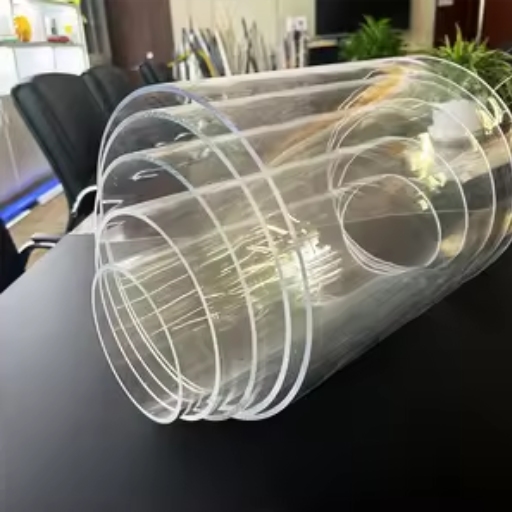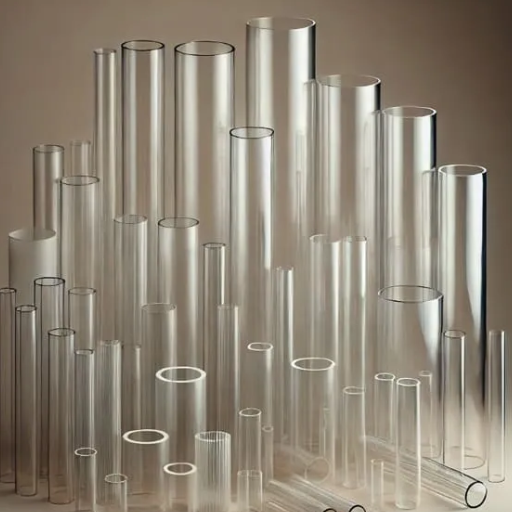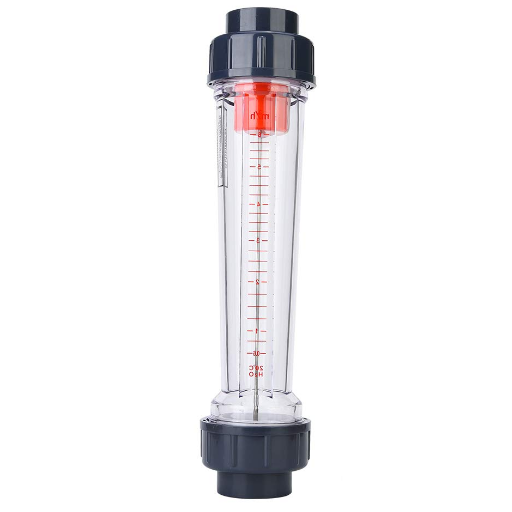

Plexiglass, also referred to as acrylic or technically PMMA (polymethyl methacrylate), is a highly versatile material that is well-known for its durability, transparency, and lightness. Plexiglass has been considered more rigid and more impact-resistant than any glass alternative in a wide range of applications, from home improvement to industrial design. But does this mean it can never actually shatter? It is essential to understand the limitations imposed by plexiglass on safety measures for its intended applications. This article describes the key properties of plexiglass and attempts to answer the question of whether it can shatter, providing practical tips on its functionality under various conditions. By the end of this article, you should be able to make sound decisions regarding the use of Plexiglass in your own projects.
📋 Plexiglass Overview
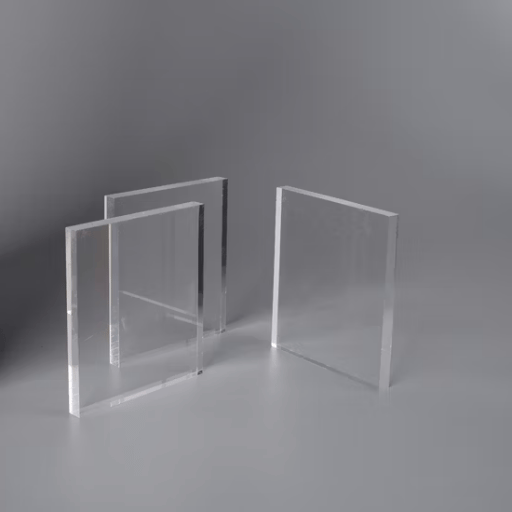
Acrylic windows also go by several names, one of them being plexiglass, which is more commonly known for its resistance, lightweight nature, and clarity. Meanwhile, being an impact-resistant plexiglass relative to regular glass, it is not, under all circumstances, wholly shatterproof. Thus, under extreme forceful pressure, plexiglass will either crack into large, blunt chunks that are not very damaging or break away along neat lines of applied stress, rather than shattering into numerous sharp fragments, as is familiar with traditional glass. For this reason, it receives a preference in many applications such as window installations, shields, and display,s wherever durability and safety are of utmost concern.
What is Plexiglass?
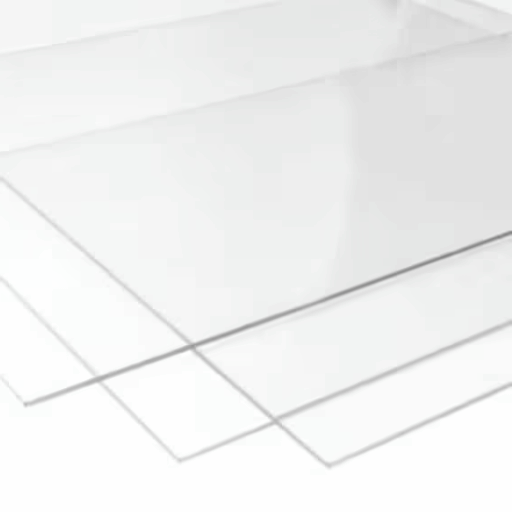
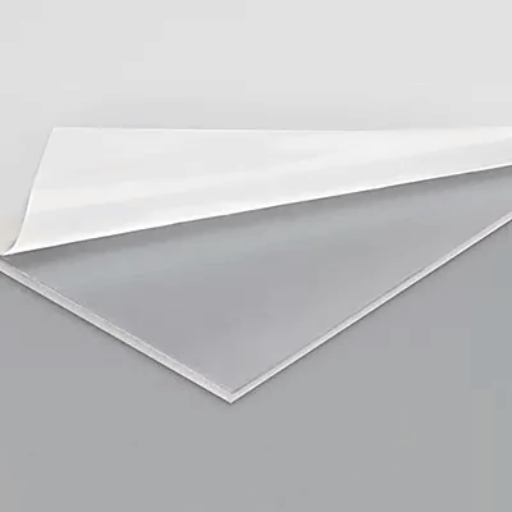
Plexiglass, also known as acrylic or polymethyl methacrylate (PMMA), is a clear thermoplastic used as an alternative to glass. Because it is lighter than glass and can withstand a lot of impact, applications that focus on safety and clear sightliness will find it most suitable. Other than that, it is easy to mold, set up, cut, and fabricate, so the construction, automotive, and design industries all use it accordingly.
Common Uses of Plexiglass
- Windows and Glazing: Used for windows, skylights, and other forms of barriers where traditional glass is deemed too heavy and too fragile.
- Protective Barriers: Used for the manufacture of sneeze guards, partitions, and shields in commercial and public settings.
- Signage and Displays: It is also used for illuminated signs, display cases, and retail fixtures, thanks to Plexiglass’s clarity and its suitability for customization.
- Automotive Applications: In usage for headlight lenses, windscreens, and other components needing impact resistance and transparency.
- Aquariums and Tanks: The strength and optical clarity of this material enable the construction of aquaria and large containment tanks.
Plexiglass vs. Traditional Glass
Properties of Plexiglass
Durability and Impact Resistance
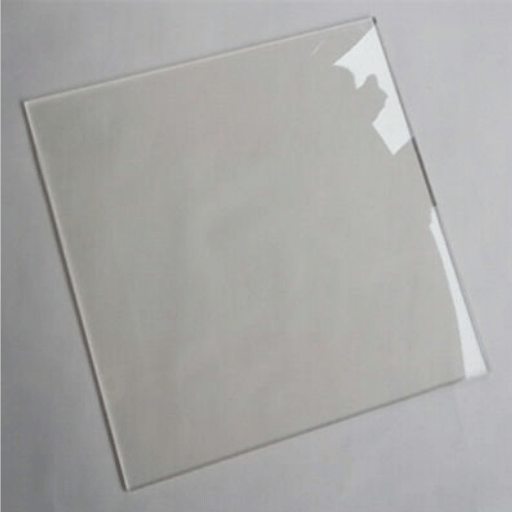
Plexiglass is very durable and has a fantastic impact resistance compared to ordinary glass. It is roughly 10 to 20 times stronger. This makes it shatter-resistant, making it the best choice wherever safety and security are paramount. Whereas glass tends to be brittle and breaks when pressure is applied, plexiglass retains its integrity, ensuring longevity with less risk of damage from impacts.
✓ Shatter Resistance Compared to Glass
Plexiglass is also called acrylic. It outperforms glass in terms of shatter resistance and is often preferred for safety considerations. It is designed to absorb the impact that would typically cause standard glass to break. Data on the impact-resistance of Plexiglass indicates that, depending on thickness and application, it may resist impact up to seventeen times harder than glass. This is why it finds usage in the automotive, construction, and aerospace industries, where safety and durability are paramount. The other feature that restricts its use in human-interaction scenarios is that if broken under severe conditions, it cracks into more significant, less dangerous-sized shards, unlike glass, which breaks into millions of sharp splinters. In other words, it combines the features of strength and safety, making it a trustworthy substitute for traditional glass in both extreme and everyday use.
UV Resistance and Scratch Resistance
Since plexiglass has excellent resistance to ultraviolet rays, it is best suited for outdoor applications that require prolonged exposure to sunlight. Typically, traditional glass changes color, becomes brittle, or gradually disintegrates due to exposure to UV light; however, the innate UV-filtering power and ingenious coatings of an acrylic sheet have been designed to keep the glass clear and structurally sound. According to test results, quality plexiglass provides up to 98% blockage of harmful UV rays, protecting both the plexiglass and the objects it covers.
Additionally, scratch resistance is enhanced by special surface treatments, such as complex coating technologies. The latest advancements in scratch-resistant technology have ensured that plexiglass surfaces are considerably more durable and less prone to abrasions through everyday wear or application of harsh cleaning agents. Testing on treated surfaces reveals a marked reduction in scratch visibility, which is immediately noticeable when compared to untreated surfaces. They are therefore best suited for use in plexiglass for protective barriers, outdoor signage, and automotive components. Offering longevity and ease of maintenance, these properties are well-suited for harsh environments.
When Does Plexiglass Shatter?

Scenarios Leading to Shattering
Plexiglass, although highly durable in most scenarios, can shatter if the material’s properties are exceeded. One such property can be the sudden exposure to exceptionally high-impact forces imparted by blunt or sharp objects on its surface with high velocity. Unlike tempered glass, which breaks into small, roundish pieces, plexiglass breaks into sharp, irregular shards when the force applied exceeds its stress limit.
Another scenario involves prolonged exposure to frigid temperatures, which can cause brittleness in plexiglass. Below freezing, the material loses its flexibility, and the sudden mechanical shocks could cause cracks and fractures. Another vulnerability is the improper installation of the material or the concentration of stresses at drilled holes or edges. Plexiglass fails when the load-bearing panels experience unbalanced weight distribution or exceedingly high pressure at their weakest points.
It has been studied and determined that, under ordinary operating conditions, plexiglass has a much greater resistance to shattering than does traditional glass; ten to twenty times greater! Still, at points of unusually high stress or under the influence of extreme mechanical or thermal stress factors, the structure may fail. A thorough understanding of such limitations is essential for ensuring that the material is employed correctly within its permitted stress tolerances.
Factors Affecting Plexiglass Integrity
🌡️ Temperature Fluctuations
Temperature variations in extremes cause plexiglass to expand or contract, and small existing cracks will magnify or warps will form over time due to these conditions. Prolonged exposure to high temperatures may also reduce the strength of plexiglass.
⚡ Mechanical Stress
Anything exceeding the designed tolerance of the material to a force or impact could result in crack propagation or surface damage. Repeated use in high-stress environments can cause the material to weaken.
☀️ UV Radiation
If not appropriately treated with UV inhibitors, continuous exposure to ultraviolet light can discolor and become brittle, potentially shortening its operational life.
🧪 Chemical Exposure
Certain chemicals, such as solvents or potent acids, can erode the surface or alter the structural integrity of plexiglass, leading to degraded performance over time.
⏳ Aging
Over extended periods, it can naturally age and degrade, losing its optical clarity and becoming more susceptible to handling and damage.
Comparison of Plexiglass to Other Plastic Materials
Safety Considerations
⚠️ Handling and Installation Safety Tips
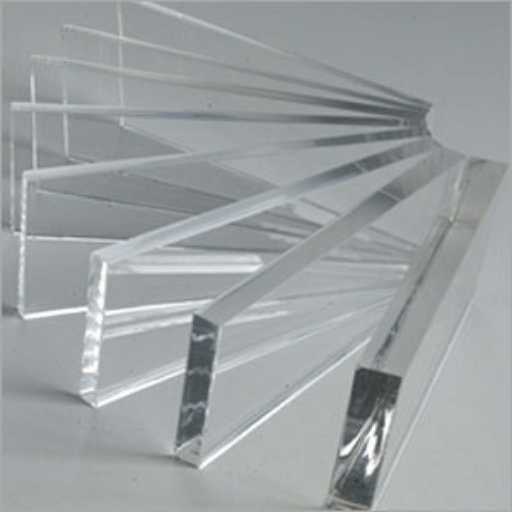
- Wear Protective Gear: Always use gloves, safety goggles, and protective clothing when handling materials to reduce the risk of cuts, abrasions, or eye injuries.
- Inspect Materials: Check for cracks, defects, or sharp edges before handling to prevent accidents during installation.
- Ensure Proper Support: Use appropriate tools, brackets, or anchors to secure materials firmly during installation to prevent movement or slippage.
- Follow Manufacturer Guidelines: Adhere to the installation instructions provided to ensure compatibility and safe application.
- Use Adequate Ventilation: The cutting or application of adhesives should be done in circumstances where adequate ventilation is available to avoid inhaling harmful fumes or particles.
- Lift Properly: Place the emphasis on proper lifting technique or mechanical aid for any potentially heavy materials to avoid strain or injury.
- Dispose of Waste Properly: Sharp and hazardous scraps or remnants must be properly secured and disposed of to prevent injury or environmental hazards.
Emergency Procedures for Shattered Plexiglass
Handling shattered plexiglass safely is crucial to minimize hazards and ensure proper cleanup. Follow these steps to address the situation:
- Secure the Area: Immediately cordon off the affected area to prevent injuries from sharp plexiglass fragments. Ensure that unauthorized personnel stay clear until the cleanup is complete.
- Wear Protective Equipment: Equip yourself with cut-resistant gloves, safety goggles, and, if necessary, a dust mask to protect from sharp edges and potential airborne particles.
- Collect Larger Fragments: Use tools such as brooms or tongs to gather larger pieces of plexiglass. Avoid handling sharp edges directly to reduce the risk of cuts or injury.
- Vacuum Fine Debris: Utilize a vacuum cleaner equipped with a HEPA filter to collect smaller shards and debris. This filter ensures fine particles are captured effectively, reducing inhalation risks.
- Dispose of Waste Properly: Insertion of shards and dust into a puncture-proof bag or container, and labeling the waste accordingly before disposal under hazardous waste regulations.
- Inspect the Area: After cleaning, thoroughly inspect the area to ensure that all fragments have been removed. Wiping the surface with a damp cloth helps remove the remaining particles.
- Assess the Damage: An assessment of the affected object or building must be done to find out if it requires repair or replacement. If you have any doubts, consult with a qualified technician to ensure safety and optimal functionality.
Following these detailed procedural steps shall maintain safety and efficiency for shattered plexiglass, thus mitigating risks for all involved while using lighter-than-glass materials.
Common Misconceptions About Plexiglass Safety
Although good use is made of plexiglass in various industries, several misconceptions persist regarding its safety and properties. One common misunderstanding is the idea that plexiglass is unbreakable. Plexiglass is undoubtedly much more impact-resistant than traditional glass, but it is not indestructible and may crack or shatter under very great force or strain. For this reason, it would still be dependent on the safety requirements of a project or application.
Another adamant myth is that plexiglass readily burns. Indeed, plexiglass burning can occur when a high temperature is reached; however, flame-retardant treatment is now included under manufacturing regulations to ensure it passes safety codes in many industries. Tests suggest that plexiglass usually ignites around 860°F (460°C), a figure so high when compared to numerous common household materials that the possibility of combustion under normal conditions is diminished.
Lastly, it has been misunderstood whether it will last outdoors. Plexiglass does resist weathering more than ordinary glass, but prolonged exposure to UV radiation can discolor or degrade its surface. This made UV coating treatments highly significant in extending the life, often rendering the coating reliable for about 10 years or longer.
Knowing such finer points about plexiglass safety becomes pertinent to informed decision-making regarding whether to use plexiglass in an environment that requires higher standards of reliability and durability than those served by regular glass.
Practical Applications and Innovations
Innovations in Plexiglass Technology
Advancements in plexiglass technology have significantly expanded the potential application areas of this product across various industries. One of these innovations is nanocoatings that impart improved scratch resistance and UV stability to the material. These ultrathin layers of coating act as an extra protective shield, keeping plexiglass safe for more extended periods and retaining its clarity and visual appeal despite adverse weather conditions.
The next major innovation involves incorporating innovative functionalities that can diffuse or obstruct light, enhancing the use of clear acrylic. For instance, electrochromic plexiglass can change from transparent to opaque with a slight electrical charge, thus justifying its use as a modern architectural element, a privacy solution, or an energy-efficient window. The construction and aerospace industries have adopted the capability to enhance building efficiency and reduce power consumption.
Further research and development of bio-alternatives to traditional plexiglass exist to promote environmental sustainability. These innovations will incorporate renewable resources during production, significantly reducing their carbon footprint compared to conventional methods. It is said that these materials could possess the same degree of durability and optical performance while supporting responsible manufacturing practices.
3D printing supports the creation of highly customized shapes and complex designs for niche applications. The automotive and medical industries benefit from such flexibility, as components like custom light covers or precision surgical devices, which are intricate by nature, can be produced with utmost precision.
The topic of intrigue nowadays is modern-day developments that rely on a product like plexiglass and highlight its value in a myriad of engineering, design, and sustainability tasks.
💡 Maintenance Tips for Plexiglass Sheets
- Cleaning: Take a soft microfiber cloth together with a mild soapy solution to clean the plexiglass surface. Never use abrasive cleaners or scrub pads for cleaning, as they can cause scratches.
- Avoid Harsh Chemicals: Do not use cleaners that contain ammonia or solvents; they will surely damage the surface.
- Scratch Prevention: Always handle plexiglass carefully to avoid it getting scratched. Use an acrylic polish that helps to hide minor scratches in case they do appear.
- Protection from Heat: Keep the plexiglass sheets well away from any direct heat source since with exposure to high temperature, it may cause warping or deformation later.
- Storage: Store the sheets flat in a cool, dry place so that they do not bow or crack with time.
- UV Protection: Application of the UV protective coating while being outdoors would help in extending the lifetime of the film and prevent any yellowing.
Future Trends in Plexiglass Usage
The demand for plexiglass is increasing daily in various industries, thanks to its versatility, strength, and innovative applications. One trend emerging in sustainable construction is the use of plexiglass. With the new manufacturing process, plexiglass is evolving to become more recyclable, making it a beautiful, greener alternative to glass in green architectural projects.
Another major trend includes the incorporation of plexiglass into innovative technologies. Due to its optical clarity and lightweight nature, plexiglass is utilized in the manufacturing of interactive display screens, touch-sensitive screens, and augmented reality interfaces. Such applications are closely relevant to consumer-facing electronics, automotive displays, and advanced retail technologies.
In parallel with the features that construction projects have in protecting personnel, the healthcare sector continues to embrace the use of plexiglass to create barriers and medical tools. Easy disinfection and the availability of any shapes give this product particular consideration for ensuring hygiene and adaptability in medical use.
Through the development of new coatings, enhanced protection from UV rays and scratches is being provided to the plexiglass, affording it a longer lifespan with less maintenance. This represents further market growth for plexiglass, the durable material of choice for outdoor signage, protection shields, and art installations.
Frequently Asked Questions (FAQs)
Q: Can plexiglass shatter like glass?
A: Plexiglass is much more shatter-resistant than regular glass. Unlike glass, which can shatter into sharp pieces, plexiglass doesn’t shatter and is designed to withstand impact, making it a safer alternative.
Q: What are the advantages of using plexiglass compared to traditional glass?
A: The advantages of plexiglass include its lighter weight, greater impact resistance, and the fact that it is less prone to shattering. Plexiglass also offers better UV resistance and can be easily cut into custom shapes, making it a versatile choice for many applications.
Q: Is plexiglass scratch-resistant?
A: While plexiglass is not as scratch-resistant as tempered glass, it can be prone to scratching. However, high-quality plexiglass may come with a coating that enhances its scratch resistance, making it a good choice for applications where clarity is essential.
Q: How does the durability of plexiglass compare to standard glass?
A: Plexiglass offers greater durability than ordinary glass due to its impact-resistant properties. It is much harder to break and is less likely to shatter into dangerous shards, making it an ideal option for applications such as car windows and safety barriers.
Q: What is plexiglass used for?
A: Plexiglass is often used in various applications, including glass windows, display cases, and protective barriers. Its clarity and shatter-resistant properties make it a popular choice for both commercial and residential use.
Q: What are the pros and cons of plexiglass?
A: The pros of plexiglass include its lightweight nature, shatter resistance, and ease of fabrication. However, the cons include its susceptibility to scratching and potential discoloration over time. Weighing these pros and cons can help you decide if plexiglass is the right material for your needs.
Q: Can you use acrylic sheets as a shatter-resistant alternative to glass?
A: Yes, acrylic sheets are often used as a shatter-resistant alternative to glass. They provide similar optical clarity and can be more impact-resistant than regular glass, making them suitable for a variety of applications.
Q: What is the difference between plexiglass and acrylic?
A: Plexiglass is a brand name for acrylic, which is a type of plastic. Both terms refer to the same material, but “plexiglass” is used more commonly in commercial contexts. Acrylic sheets, including those branded as plexiglass, are known for their clarity and durability.
Q: How does plexiglass perform in outdoor applications?
A: Plexiglass performs well in outdoor applications due to its UV resistance, which helps prevent yellowing and degradation over time. This makes it a suitable choice for outdoor signage, greenhouse panels, and other applications exposed to sunlight.
Reference Sources
- Rutgers University Chemistry Resource: Stressing plexiglass as the lightweight and shatter-resistant alternative to glass and then veering off on its usages.
- University of Wisconsin Urology Resources: Note that if plexiglass is cut improperly, it will shatter. Hence, tips must be given on its handling.
- Top Acrylic Sheet Manufacturers and Suppliers in China
- Glass Industry Technical Documentation