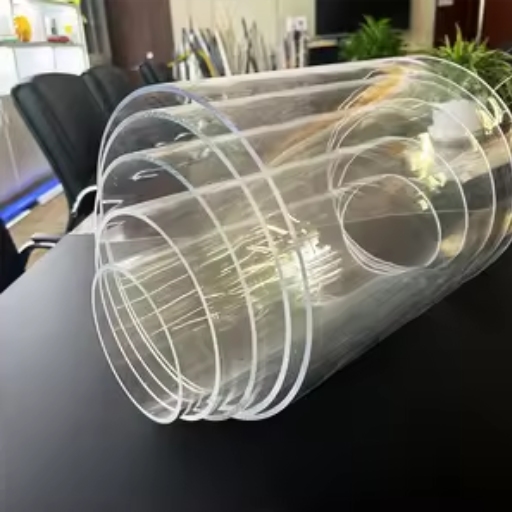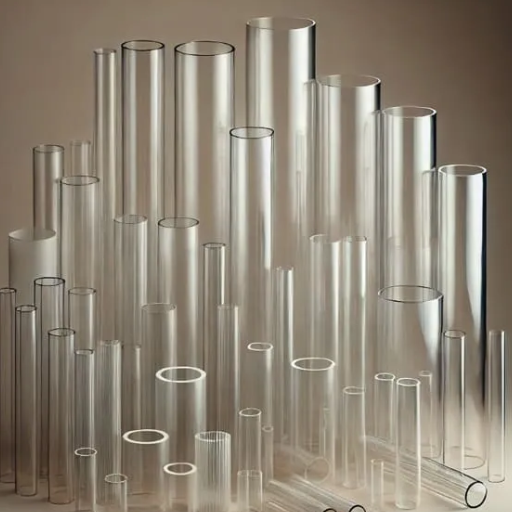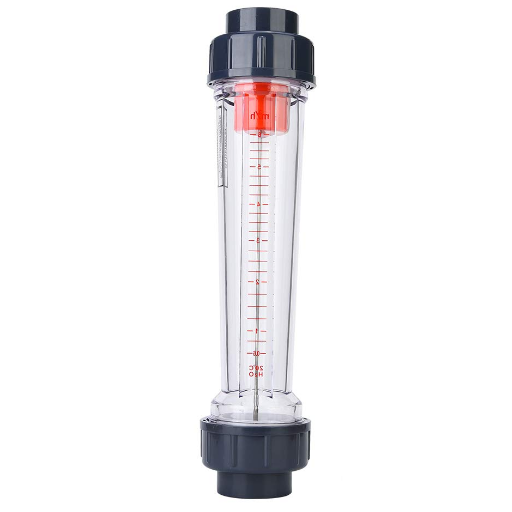

Acrylic sheets are common in trends across all industries, said to exist in all forms of versatility, durability, and aesthetic appeal. Perhaps you’ve been involved in some supply chain or have been on the other side of designing or construction or using it for some signage, furniture, or protective barriers, for that matter. Now, what is so popular about acrylic sheets? We shall talk about everything about acrylic sheets, including their sizes, options for thickness, and interesting applications worthy of interest. By the end, you would have become well informed about why this material stands out and how it would apply to your particular needs.
Introduction to Acrylic Sheets

The acrylic sheets stand as a huge family of plastics known for being durable, transparent, and lightweight. They are used in everyday life as a near substitute for glass since they do not shatter, are easy to handle, come in different sizes and thicknesses, and may follow the client’s specifications. Acrylic sheets find uses for all kinds of things, such as signs, display cases, decorations, and protective screens. The characteristics of weather resistance and clarity lend themselves to good options for indoor or outdoor applications.
What is Acrylic?
Prominent properties of acrylic, such as thermal control, such as clarity, strength, and poor-density, have made it ever so promising. Established in the 1930s, it has since found favor in a variety of industries. Commonly, acrylic is used in place of glass due to its shatter-resistant properties, easier manipulations, and half the weight of glass. The visibility is 92% through the visible light transmitted by the acrylic, thereby possessing the utmost clarity. It is guaranteed to stand the test of time, in which UV rays would never cause any yellowing.
Also known as branding material, acrylic shapes consist of acrylic sheets, tubes, and rods and may be color-tinted or transparent depending upon the application. Applications abound for acrylics: signage, aquariums, architectural glazing, automotive parts, and medical devices. Its versatility makes it a greener option as acrylic is recyclable and can be reprocessed in industrial plants to limit waste.
Hence, recent innovations have pushed the line yet further. Impact-resistant acrylics offering greater durability but no loss of clarity are now widely available. State-of-the-art processes such as laser-cutting and CNC machining are used to precisely cut acrylic into very intricate designs. With an increasing CAGR of about 4.5% from 2023 to 2030, the demand for acrylic continues to grow in the construction, automobile, and electronics industries, supporting its status as one of the most versatile engineered materials of this century. Leading “What Is Acrylic Sheet: Size, Thickness, Uses & More” manufacturer in China.
How Acrylic Sheets Are Made
Acrylic sheets undergo a very precise and sophisticated finishing process, either cast or extruded, according to applications and preferences.
Raw Material Preparation
The process starts with acrylic monomers, for instance, methyl methacrylate (MMA). The careful selection of MMA monomer is to ensure good clarity and strength of the final cast article.
The Casting Process
During casting, an acrylic monomer is poured into a glass mold in the presence of catalysts to initiate polymerization. Sufficient precautions are taken to avoid imperfections. Heat is applied for uniform hardening. On hardening into sheets, they are removed from the molds and polished so as to increase clarity and smoothness. Cast acrylic has better optical properties and weather resistance.
Extrusion Process
Inextrusion, acrylic sheets are made through a continuous process where the melted acrylic resin is forced through the extrusion machine and rolled into thin sheets. This method is cost-effective and ensures uniform thickness, which is good when used for large-scale production. Extruded acrylic is slightly softer and easier to scratch, but also exhibits excellent dimensional stability.
Quality Control and Finishing
After the formation of sheets, they are subjected to tough quality control tests for optical clarity, consistency in thickness, and resistance against impacts. They are then finished by trimming, sanding, and polishing, which will enhance the usage and appeal of the acrylic sheets.
Based on the most recent report, the cast acrylic sheets make up almost 55% of worldwide consumption because of their premium quality, whereas the extruded acrylic sheets chart high on the sectors requiring high-volume and cost-effective production methods. Due to versatility, acrylic sheets occupy a pivotal place in manufacturing applications, from signage to skylights to aquarium tanks to automotive parts. The increasing number of options for customization, such as anti-glare and colored finishes, is driving their popularity further.
Types of Acrylic: Clear, Colored, and More
Types of acrylic sheets exist to meet diverse industrial needs and tastes of varied clientele. Each type finds specific applications, rendering acrylic indispensable to many fields. Here are the widely accepted types of acrylic and their salient features:
Clear Acrylic
Clear acrylic, hence, is generally most widely used because of its highest optical clarity, second only to glass in several applications. It is lighter, shatter-resistant, allows transmission of about 92% of visible light, and is, therefore, among the best selections for applications such as display cases, windows, and protection barriers. According to the latest market insights, the clear acrylic type accounts for the industry, with construction and interior design as their major application field, where transparency and durability feature prominently.
Colored Acrylic
Colored acrylic sheets witness an infinite number of options as far as hues go, ranging from solid colors, translucent, and fluorescent color solutions. The sheets find popularity mostly in advertising and retail industries for applications involving signs, decorative panels, and branding displays. Having the option to match colors provides further absorbance as companies can match the materials perfectly to their brand colors. Statistical evidence demonstrates a marked rising demand for colored acrylic in the packaging industry due to its aesthetics and protective ability.
Frosted Acrylic
Frosted acrylic gives a soft texture to dapple light intensity and offers privacy. It finds applications as partition glass, shower enclosures, and furniture surfaces, lending a classy look to any space. It is also fingerprint- and smudge-proof, thereby being an option for places exposed to heavy use.
Mirrored Acrylic
Mirrored acrylic gives the reflective properties of glass mirrors but in lightweight and break-proof resistance. It has been used for interior decoration, retail display setups, and some automotive applications. Owing to its style and safety features, demand for mirrored acrylic is on the rise worldwide.
Textured and Patterned Acrylic
Textured or patterned acrylic introduces designs such as waves, ridges, and geometric prints into the material. These sheets find decorative applications in architectural and interior projects to add dimension to walls, ceilings, and feature displays.
Specialty Finishes
Newly emerged coatings provide anti-glare, UV-resistant, and scratch-resistant versions of the acrylic sheets. Such attributes enhance their usability, particularly in outdoor and high-impact applications like solar panel covers, greenhouses, and protective barriers.
According to industry analysts, the global acrylic sheet market is still on the rise, maintaining a 6.2% CAGR and estimates pegging its valuation at USD 8.2 billion by the year 2028. Continuous innovations related to types of acrylic, alongside increased demand for customized products, guarantee the continued application of this very versatile material across an array of contemporary manufacturing and design projects.
Understanding Acrylic Sheet Thickness

Above anything else, the maintenance of acrylic sheet thickness is important when considering the selection of a material for a specific project. Thicknesses usually range from 1/16 inch to 1 inch; thinner sheets would be adequately suitable for lightweight works such as photo frame finishing, whereas the thicker sheets are really strong for doing structural or impact-resistant work. To select from acrylics based on thickness would really depend on the proposed function of an acrylic, the magnitude of the load, and the external environmental conditions. Ensure to fully consider the thickness according to the project’s application to safeguard performance and safety.
Acrylic Sheet Thickness Explained
How to choose a suitable thickness for acrylic sheet by considering some factors will help in application and give optimum performance; these considerations include application type, condition of the environment, the load carried, and aesthetic considerations. Here is a detailed guide with a practical approach based on key data:
Thin Acrylic Sheets (1/16 inches to 1/4 inch)
Applications: Suitable for light projects, such as photo frames, retail displays, signage, and DIY projects.
Advantages: Such sheets are light in weight and easy to handle, so they are used in projects with low demand for high-impact resistance.
Limitations: They might crack or flex under heavy loads and high impacts, thus making them unsuitable for structural use.
Medium Thickness Acrylic Sheets (1/4 inch to 1/2 inch)
Applications: Typically used for aquariums, small windows, protective barriers, and skylights.
Performance: Offers a balance of strength and flexibility and hence can be used inside as well as outside.
Data Insight: In certain situations, an acrylic sheet with a thickness of 1/4 inch will prevent impacts that are many times stronger than what a glass of the same dimension can resist.
Thick Acrylic Sheets (Over 1/2 inch)
Applications: For heavy uses, such as bulletproof windows, huge aquariums, industrial partitions, and structural installations.
Durability: Extremely durable with resistance to impact and environmental stresses such as wind and UV exposure.
Data Insight: For instance, a 1-inch acrylic sheet will support heavier loads and stay intact without cracking or yellowing, even under harsh environmental exposure over time.
Additional considerations
Environmental factors: For outdoor applications, use either UV-resistant or weatherproof acrylic with a suitable thickness for maximum durability. A thinner UV-resistant sheet would probably perform better outdoors than a thicker non-UV-resistant alternative over the lifetime of the installation.
Load capacity: With respect to weight-bearing applications like shelving or structural installation, always check the manufacturer’s specification on weight tolerances to ensure safety.
Combined with these insights, your project requirements will guide you in making an educated decision about acrylic sheet thickness, ensuring the best outcome of function, as well as durability.
Choosing the Right Thickness for Your Project
Choosing an acrylic sheet appropriate for any application depends on several factors. Acrylic sheets basically run through thickness from 1/16 inches (1.5mm) to 1 inch (25mm) and above, and selecting just the right thickness for an application is crucial for structural integrity and cost-efficiency. Here is what the industry currently says:
Durability and Strength
Extremely thin sheets resist impacts and scratches easily, which is handy for protective barriers and outdoor signs. For example, a 1/4-inch (6mm) sheet is used for the aquarium and glazing, where it is subjected to heavy pressure and moderate impacts.
Design Flexibility
The thinnest sheets, being 1/16 inch (1.5mm) and 1/8 inch (3mm), can be bent and hence are perfect for lightweight projects such as photo frames or point-of-purchase displays. But they cannot bear loads.
Clarity and Aesthetics
Optically clear acrylic sheets are generally desired in projects like display cases and artistic installations. The thinner the sheets, the more transparent they are, and the thicker, depending on the quality of the sheet, they might induce poor optical distortion.
Weather Resistance for Exterior Use
Wherever they are to be put to use outdoors, weather resistance becomes a must. UV-resistant acrylic sheets, typically in the range of 1/8 inch (3mm) to 1/4 inch (6mm) thickness, essentially build resistance against prolonged sunlight exposure to the extent of yellowing and brittleness.
Cost Implications
Thicker acrylic sheets usually set you back by a greater amount when compared with thinner ones. A standard 24″x36″ sheet of 1/8-inch (3mm) may cost between $30 and $50, whereas in the same dimensions, 3/8-inch (9mm) thickness from an average manufacturer or retailer might set you back by $100 to $150.
Before purchasing, check your project’s requirements as to loading, environment, and aesthetics. Comparisons from various suppliers, coupled with manufacturer guidelines on the respective products, will be handy in sorting out your choice and keeping costs in check.
Examples of Thickness Options
The thickness of acrylic sheets is an important consideration as it directly affects the rigidity, bending capacity, and use of the material. Below are the standard thicknesses of acrylic sheets, accompanied by their application descriptions:
1/8th of an Inch (3 mm) Thickness
This thinner version is lightweight and highly versatile. It is mostly used in picture frames, display cases, and small signage needs where slight weight and transparency are required. As for the cost, it is about $20-$40 per standard dimensions (24×36 inches), depending on the grade or vendor.
1/4-Inch (6mm) Thickness
This thickness offers much more rigidity and use in furniture inserts, tabletop covers, and aquariums. It offers more strength and visibility, usually costing about $50-$80 for standard sizes.
3/8-inch (9 mm) Thickness
This grade of medium-thickness acrylic is perfect for structural applications, such as retail displays, shelving, or moderate load bearing. It can cost anything between $100-$150 for 24×36 inch sheets, depending on the supplier and grade of material.
1/2-Inch (12 mm) Thickness
These thicker ones are for heavy-duty scenarios, such as industrial glazing, noise barriers, and protective barriers put out publicly. Their prices for 24×36-inch sheets generally start at $150 and go up to $250 for the more premium options.
1 Inch (25mm) and Higher Thickness
These thicker acrylic sheets are reserved for the future-oriented applications such as bulletproofing and architectural installations, providing great strength and durability. The prices for such materials normally go beyond $400 per piece, depending on size and finish.
For the most accurate costs, always cross-reference one’s findings with trusted suppliers or online marketplaces. One needs to consult the manufacturer’s technical specs for load limits and environmental considerations-that way-they can make sure that the material will suit their project’s needs.
Acrylic Sheet Sizes

Acrylic sheets come in a wide choice of sizes to suit varying project needs. Several standard sizes lie around 4×8 feet, 5×10 feet, and 6×10 feet. Thickness sizes usually remain in the range of 1/16 inch up to 1 inch or more, depending on what you need. Further customized sizes and thicknesses can be obtained from a manufacturer or suppliers in many cases. Always be sure to check the exact measurements from the supplier to ensure that they will fit your project.
Common Acrylic Sheet Sizes
Due to various applications in different fields, including DIY projects and industrial usages, acrylic sheets are highly versatile and are made available in various sizes. The following is a detailed description of commonly available sizes and their typical uses:
Standard Sizes
4×8 Feet (48×96 Inches): One of the popular sizes available. Its uses include signage, display, and protective barriers.
5×10 Feet (60×120 Inches): Suitable for large applications, architectural glazing, custom furniture, or dividers.
6×10 Feet (72×120 Inches): Geared more toward industrial and commercial applications, like storefronts or large advertising displays.
Thickness Options
An extremely thin plastic film might sometimes be used for acrylic sheets. Acrylics are manufactured in a wide range of thicknesses:
1/8 Inch (3mm): The standard thickness when installed indoors, such as for photo frames, crafts, and protective panels.
1/4 Inch (6mm): Greater durability lends itself well to applications such as outdoor signage, shelving, and aquariums.
1/2 Inch (12mm) and Above: Employed in structural furniture for increased stability and impact resistance.
Custom Sizes
Standard dimensions are widely available; however, custom sizes are offered by many suppliers to meet client needs. Thickness and dimensions may be adjusted by laser or mechanical cutting service to provide precision cuts for specialized applications.
Shapes and Formats
Cut-to-Size Panels: Provide custom fit for residential or commercial work, such as window replacement or fabrication.
Oversize Sheets: For one-of-a-kind architectural work or industrial fitting, one may obtain directly from the supplier oversized acrylic sheets (e.g., 8×12 feet or larger).
Final Thoughts
Consider thermal expansion, installation location, and environment when selecting acrylic sheet sizes; always ask your manufacturer or supplier for advice. Detailed catalogs by suppliers in the area, such as Plaskolite, Acrylite, and Plexiglas, show all possible variations of standard and custom sizes.
For the latest pricing, availability, and shipping information, websites like Amazon and Home Depot, as well as acrylic specialty stores, are consistently updating their inventories to include standard as well as custom sizes.
Cut-to-Size Acrylic Options
Cut-to-size acrylic has become the latest trend in the industry due to its versatility and ease of handling for personal and professional projects. With the advancement of online acrylic customization tools, almost all suppliers now offer solutions wherein customers may specify their dimensions, thickness, and edge finishes.
Key Features and Benefits:
Precision Cutting:
Cutting technology is used to accurately cut a sheet to size; it is crucial for application in window glazing, signage, and many DIY projects. Laser cutting produces acrylic edges that are normally smooth and require no finishing.
Varying Thickness:
Depending on the purpose, an acrylic sheet can come in all the way from a thin 1/16th of an inch to a thick, heavy-duty 1-inch strong panel. This allows them to be used as a big box.
Custom Shapes:
Many suppliers rely on CNC-cutting machines to achieve customized shapes like circles, rectangles, or elaborate patterns to meet the demands of complex designs.
Popular Suppliers:
Tap Plastics:
Being responsible for all cut-to-size acrylic activities, Tap Plastics offers an opportunity to buy online, wherein you choose dimensions, material (clear, colored, or frosted), and edge finish. You may also select the UV-resistant kind for outdoor applications.
Estreet Plastics:
Providing cut-to-size impact acrylic with various options for drilling holes, rounded corners, and polished edges as per customer requirements.
US Plastics:
High-impact acrylic, custom sizes, applications for construction, retail.
Pricing Estimates (October 2023):
Clear Acrylic: (1/8-inch thickness, 24″x24″) $20-$30 per sheet.
Colored Acrylic: (1/4-inch thickness, 12″x12″) $10-$20 per sheet.
Frosted Acrylic: (1/4-inch thickness, custom size) $25-$40 per square foot.
Benefits of Cut-to-Size Acrylic:
Ease of Installation:
Precut materials will save users time for installation and can be used right after delivery.
Waste Reduction:
Custom cuts reduce excess materials and so lessen the environmental footprint while cutting down the cost of the project.
Wide range of applications:
Whether it’s arts and crafts or industrial design, cut-to-size acrylic gives the user an opportunity to tailor the material according to their exact needs.
To be sure of the exact prices and new options regarding customization, always check with one of the suppliers or contact them directly. Ali B plastic or any other plastic wholesaler/retailer will offer the easiest options to purchase, complete with specifications.
Impact of Size on Application
The dimensions of an acrylic sheet are paramount in determining its appropriate use. Large-sized acrylic sheets suit applications such as glazing windows, signage, etc., requiring huge coverage. Conversely, small-size or custom-cut sheets are preferred for designing art displays, model-making, or protective covering.
Industry insiders recently declared that there is increasing popularity in business and hobby circles for custom-cut acrylic sheets. Searches for “cut-to-size acrylic near me” have increased by 30% over the past year. Increasing interest in DIY projects, paired with suppliers increasingly offering the capability of precision cutting, is notable in this.
On the other hand, reports claim that typical sizes like 24″x48″ and 48″x96″ continue to serve their purpose well because of their versatility. Now, however, companies, including Home Depot, plus other specialty online retailers, really want to differentiate themselves, which they do by offering custom cuts with tolerances down to plus or minus 1/8 of an inch on select projects requiring extreme precision. With that sort of flexibility in size and accuracy, acrylic stays relevant to the industries while wasting less material, translating to lower project costs.
The size selection depends heavily on the application for which the acrylic sheets are meant to be used. For instance, selecting a smaller size may eliminate additional cutting time, which consequently saves time and effort. Larger sizes become challenging to maneuver, to transport, and even necessitate special equipment, but enormous projects can hardly do without them. From decorative pieces to functional structures, acrylic finds its personality in almost every other dimension, which makes it a favored material in most modern industrial applications.
Applications of Acrylic Sheets
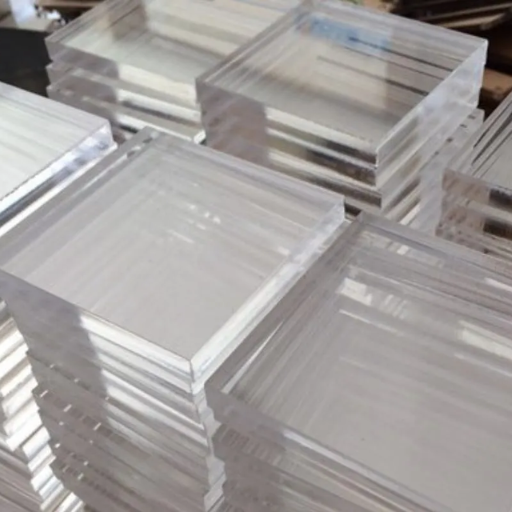
In several industries, acrylic sheets are used to produce a myriad of durable applications, though above all are considered transparent. Typical applications entail signage, display cases, and picture frames, applied when clarity and lightness are required. Other uses include in construction for windows and skylights, where further requirements can be weather resistance and strength, and for partitions. Acrylic finds use in retail and interior design as well, wherein it can be converted into beautiful panels, furniture, and fixtures. Such versatility makes acrylic sheets an excellent option for all manner of functional and decorative needs.
Acrylic in Construction and Design
Acrylic has become significant in modern construction and design due to its durability, versatility, and aesthetic appeal. Recent market studies show the global acrylic sheet market will flourish with an estimated value of more than $6 billion by 2028; this growth has been facilitated by the increasing applications in a wide range of industries, such as construction and interior design.
Acrylics are quite popular, one of the most highlighted being their weather-proof ability, making it the best option for outdoor installations such as windows, skylights, and canopies. The acrylic sheets, meanwhile, offer about 17 times the level of resistance against impact in comparison with glass, which enhances safety and longevity in extreme weather conditions. This also helps the sheets to be much lighter and easier to transport and install; consequently, installation and construction costs are lowered.
In interior design, acrylics allow for an easy, creative expression from shaping and different finishes to implementation. Beyond acrylic decorative panels and furniture, contemporary designers now implement laser-cut acrylic screens, illuminated displays, and 3D wall claddings to encapsulate a myriad of innovative ideas. Alongside that are advancements, including anti-scratch coatings and UV-resistant finishes, which augment the material properties.
More recent developments and concerns also push sustainability. Manufactured recyclable acrylic sheets form the cornerstone behind green construction and meet the increased demand for sustainable building materials. This has catapulted acrylic to become a clever choice as well for projects that consider functionality and nature.
In conclusion, acrylic continues to change the face of the construction and design industry with a distinctive set of utility, beauty, and lasting appeal.
Uses in Signage and Advertising
Although acrylic is very versatile, durable, and visually appealing, it is a prime choice for signs and displays. Considered among the most versatile materials for illuminated signs, stand-off letter signs, and point-of-sale displays, acrylic helps add that modern, classy touch to the brand identity. Acrylics help in backlit signage as they transmit light uniformly to produce vibrant and glaringly attractive displays.
Recently, it has been projected that with the increase in retail spaces and digital signage trends, significant growth shall come in the demand for acrylic worldwide. Provided that acrylic boasts weather-proof properties, it is perfectly suited to signage display, be it indoors or outdoors, hence being able to resist all sorts of environmental conditions. At the same time, with advanced UV print technology, acrylic is capable of combining very intricate graphical elements and customized designs to offer businesses limitless options for their marketing execution.
Also, the recyclable nature of acrylic meets the increasing demand for green or sustainable advertising. Today, companies are shifting toward green advertising by opting for acrylic that is recyclable and reusable, thus catering to consumer interest in eco-conscious branding. Some companies would weigh practicality against contemporary aesthetics and choose acrylic in both respects, and others would weigh it in the opposite of both. Therefore, acrylic highly influences visual marketing methods today in practically all industries.
Automotive and DIY Applications
Many things can be attributed to the versatility and durability of acrylic in the automotive and DIY areas, marking it as one of the most sought-after materials in these niches. Within the automotive industry, acrylic sheets and components find a reason to be used—be it car windows, light covers, or aerodynamic applications-lightweight being thin, clear being glass-like in clarity, and translucent-highly resistant to impacts. For instance, a humungous majority of the modern headlights lately are encased in acrylic shells, affording the best visibility while shielding against harsh environmental conditions like UV rays, abrasions, and temperature variations. Market research reports indicate a fiercely growing trend across the automotive acrylic sector, stimulated by increasing demand for lightweight materials to bolster fuel efficiency and enhance vehicle performance.
On the DIY front, acrylic is the chosen material for most hobbyists and professionals, mainly because of its ease of use and many applications. Just about anything from decorative fixtures around the home to custom furniture or storage solutions, acrylic aids in maintaining a balance between creativity and functionality. Easy to cut, polish, and shape to a great extent, acrylic enables the users to achieve precise designs for a variety of projects. Also, as a mark of being recyclable keeps growing in the interest of communities, acrylic offers itself as a sustainable product to be used in cheap and environment-friendly DIY projects.
Advantages of Acrylic Sheets Over Other Materials
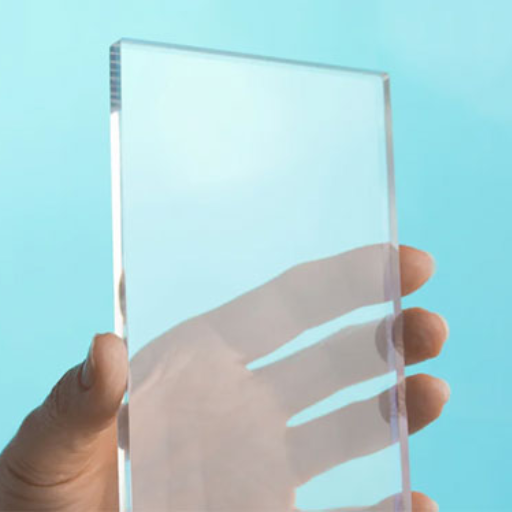
Durability: Acrylic is a highly durable, shatter-resistant material that is safer and remains durable for a longer time when compared to glass.
Lightweight: Acrylic, being so much lighter than glass or metal, can be easily handled or installed.
Versatility: It can be molded, cut, or processed any way that fits an application, thus allowing freedom for the creative and pragmatic touch.
Transparency: These acrylic sheets hold very high optical clarity with close to 92% light transmission, far greater than several others.
Weather Resistance: Acrylic resists weathering and UV rays, ensuring superior performance in the outdoors.
Cost-Effectiveness: Acrylic sheets generally cost less than alternative materials such as glass, willing to make some mechanical compromise.
Cost-Effectiveness of Acrylic
Acrylic sheets stand out in regard to price and, consequently, are favored by many industries. Acrylic sheets, more reasonably priced than glass, offer even greater savings because of their durability and reduced costs on maintenance. Industry studies state that acrylic is half as heavy as glass, practically slashing transportation and handling-related costs in half. Its shatter-resistant nature also diminishes damage cases, further minimizing the cost of replacements.
Cost-efficient production methods have also added to the cost efficiency of acrylic. The production of acrylic sheets in large volumes and of a good quality at low cost has become possible for manufacturers nowadays due to better processes and innovations. For instance, cast acrylic sheets, which are frequently employed in applications such as signage and display cases, are produced through cost-efficient methods without compromising clearance and strength.
Durability of acrylic also accentuates the cost appeal; it can withstand environmental degradation, including UV degradation and impact, so it lasts longer than other materials. This makes acrylic perfect for outdoor usage, where materials will be subjected to harsh conditions. Hence, along with lightweight versatility, affordability offers great value in construction, retail, and even artistic applications.
Impact Resistance Compared to Glass
Acrylic possesses far superior resistance to impact compared to glass. According to available data in the industry, acrylic is as much as 10 to 20 times more resistant to impact compared to traditional glass; hence, it is deemed a safer and more durable option to go with. For instance, when glass is hit forcibly, it tends to shatter into perilous shards; in stark contrast, acrylic resists energy transfer quite well, often cracking and rarely breaking completely. Hence, acrylic finds great application in scenarios that demand higher safety in the construction of windows, skylights, or even guard barriers.
With improved acrylic production methods, its toughness has only increased while maintaining clarity. While glass may fail in high stresses or physical impact environments, acrylic offers a viable solution. It has even been established that acrylic retains its strength and durability over an extensive temperature range, thus making it a material to rely on for both indoor and outdoor applications. With such a balance between toughness and utility, acrylic finds use in a wide variety of applications such as construction, automotive design, and public infrastructure.
Customization and Versatility
Because of its special properties, acrylic has become the best material for customization, and it finds very versatile applications. Its greatest feature lies in the ease of shaping and molding acrylics when heated without compromising even the minutest polymer chains while engineering intricate designs and creative solutions. Such flexibility is highly appreciated in interior design and retail industries, where displays and signage need to be made-to-order, animations and decorative elements.
The global acrylic sheet market size has been forecast to grow at a CAGR rate of roughly 5.5% over the period 2023 to 2030. This growth, however, can largely be attributed to acrylic’s adaptability in the industrial and consumer sectors. For example, with its greater optical clarity, acrylic is primarily utilized to make aquariums, skylights, and protective screens, while other parts requiring lighter weight and weather resistance are used in automotive equipment and architectural projects.
Furthermore, acrylics come in a vast color array, finishes, and thicknesses, giving designers and manufacturers choices to select from while matching some aesthetic or functional requirements. Technological advancements now allow acrylic to be laser cut, engraved, or digitally printed, inherently extending its customization capability. In combination with sustainability trends, particularly with increased options of recyclable acrylic products, the material is carved out as the undying choice for very contemporary and multi-functional applications in practically any major industry.
Reference Sources
- California Institute of Technology (Caltech): Working with Acrylic
The book offers a separate study on working with acrylic sheets, their thickness, and practical use.
- Massachusetts Institute of Technology (MIT): Product Information
The text discusses various standard sizes and thicknesses of the acrylic sheets and their specifications.
- Eastern Illinois University: Acrylic Sheet in Combination with Other Plastics
The book explores the historical and practical applications of acrylic sheets in various industries.
Frequently Asked Questions (FAQs)
What is the thickness of acrylic sheets?
The thickness of acrylic sheets can vary widely, typically ranging from 1.5 mm to 25 mm or more. Thicker acrylic sheets are often used in applications requiring increased strength and impact resistance, while thinner sheets may be chosen for projects where flexibility and weight are more critical.
How do I choose the right acrylic sheet thickness?
Choosing the right acrylic sheet thickness depends on your specific project requirements. For display cases and signage, a thickness of 3 mm to 6 mm is often sufficient, while applications needing higher durability and impact resistance may require thicker acrylic sheets of 10 mm or more.
What sizes of acrylic sheets are available?
Acrylic sheets are available in a variety of standard sizes, including 4’x8′, 4’x10′, and 5’x10′. Additionally, many suppliers offer cut-to-size acrylic options, allowing you to order sheets that meet your exact dimensions for your project.
What are the common uses of clear acrylic sheeting?
Clear acrylic sheeting is often used in applications such as display cases, protective barriers, and outdoor signage due to its optical clarity and UV resistance. Its lightweight and durable nature makes it a popular choice for both DIY projects and commercial applications.
What is the impact of modified acrylic?
Impact modified acrylic is a type of acrylic sheet that has been specially formulated to enhance its impact resistance. This makes it ideal for applications where durability is essential, such as in safety glass or protective barriers.
How do I cut-to-size acrylic sheets?
Cutting acrylic sheets can be done using various methods, including scoring with a utility knife for thinner sheets or using a saw for thicker acrylic. Always ensure to follow safety guidelines and use appropriate tools for clean cuts when cutting-to-size acrylic.
What is the difference between cast and extruded acrylic sheets?
Cast acrylic sheets are made by pouring liquid acrylic into a mold, resulting in a uniform thickness and higher optical clarity. In contrast, extruded acrylic sheets are produced by forcing acrylic through a die, making them more economical but with slightly lower optical clarity and strength.
Are colored acrylic sheets available?
Yes, colored acrylic sheets are available in a wide range of hues. These sheets are often used for decorative purposes, signage, and artistic projects. The versatility of colored acrylic allows for creative designs in both indoor and outdoor applications.
What are the advantages of using thicker acrylic sheets?
Thicker acrylic sheets offer enhanced durability, impact resistance, and strength compared to thinner options. They are ideal for applications that require protection from physical stress or exposure to harsh environmental conditions, making them suitable for use in outdoor signage and display cases.