

Among others, monitoring fluid systems have always had inherent challenges, with emphasis to accuracy and efficiency. Along comes the fluid filled plastic tube–a cunning concept ready to bring new dynamics in real time observation. This groundbreaking technology when in use strategically enhances the existing fluid flow observations, making it possible to tweak certain processes, improve safety and prolong uptime in some industries. Similarly, the translucent tubing is overshadowing the traditional methods employed in various systematic operations; introduce the novel transparent tube for monitoring the global economic ensemble and any significant economic agent, sorry, this is incorporatoin of the buzz-word “agile capitalism” into such concepts. The current article will put light upon the peculiarities, advantages and many other multiple application areas of this technological solution and explain where exactly and in what conditions it helps. Continue reading to find out how these changes help in providing the better and the best a fluid monitoring system can ever offer so far.
Introduction to Transparent Fluid Monitoring Tubes
What is a Transparent Fluid Monitoring Tube?
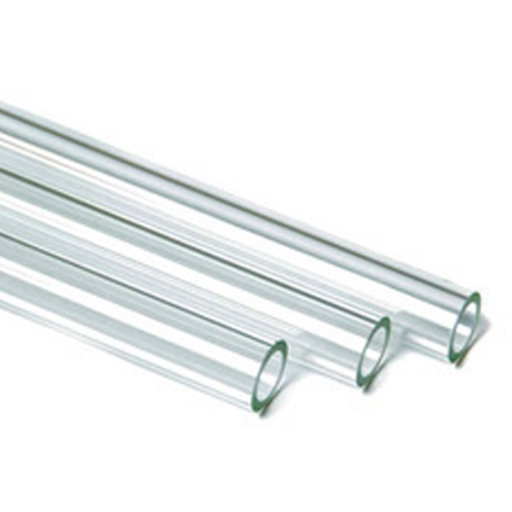
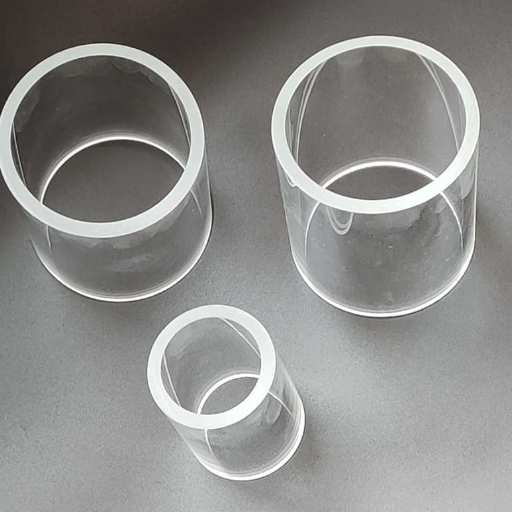
A transparent fluid monitoring tube is a specialized devvice manufactured with the aim of showing clearly the flow of fluid in any system. When made out of a strong clear material such as glass or some synthetic plastics, due to their clarity, such tubes will enable the operators to have an open view of the movement, height and transparecny of fluids in their system in real time. This is nothing but a revolutionary technology where users don’t have to rely on assumptions, instead they get to see the status or behavior of any fluid instantly. And this technology has also been put into use in several sectors such as medicine, manufacturing or fabrication of goods and chemicals for consumables, as far as it is a liquid of course. As such it is no wonder that such versatile tubes equipped with advanced features that enable them to function with various fluids and other external elements, are known to improve the reliability, user’s safety and effective performance of the systems and longitudinal flow that perceive them.
Importance of Transparency in Fluid Monitoring
Transparency is a key feature in the determination of the fluids capacity and control for industries. Professionals should have a more direct and clear view of the fluid for any hints of leakage, mixing or any unnatural volume of the fluid increase before the risk is inevitable. The understanding of such processes is essential in the running of chemical processes as this ensures that the correct inputs are made into the processes therefore retaining the desired quality and risk management. It is also a requirement for ensuring compliance with the appropriate laws in the organization and in the management practices of any company by having proper recording and reporting of proof of the fluids. With the use of smart or cutting-edge materials and tools, clear monitoring aids attainment and maintain ace of objectives and targets by minimizing risks exposure.
Applications of Fluid Monitoring Tubes in Various Industries
In diverse sectors, fluid monitoring tubes are a crucial link in the chain ensuring that a high level of efficiency and safety are achieved. Although they may not be necessarily used in this regard, the effective management of required flow rates and concentrations of fluids is essential to prevent undesired interactions that result in the degradation of products. Moreover, in the health care sector fluid monitoring tubes are particularly valuable in the manufacture of medical equipment which includes intravenous drip and dialysis as flow control is very precise and essential for the case of patients. Otherwise, in the food and drink industries hygienic flow can be maintained during production and packaging phases through the use of fluid monitoring tubes which facilitate the real-time observation of the flow of fluids. The oil and gas industry also takes advantage of these components relaying the intricate nature of the monitoring systems such as transmitter-converter technology, inline scans, robots and other devices. Valves, seals, bushings are general components used in many industries, but they sometimes fail to control the so-called burstiness, i.e. short-term increases in very high amplitude loads of finished products in pipelines. It is fluid monitoring tubing implemented with modern materials that are designed to resist high temperatures and aggressive media, that search and are going to bring about changes in the above mentioned fields including aid in other fields too.
Key Features of Flexible Tubing for Fluid Monitoring
Properties of Material and Development Trends
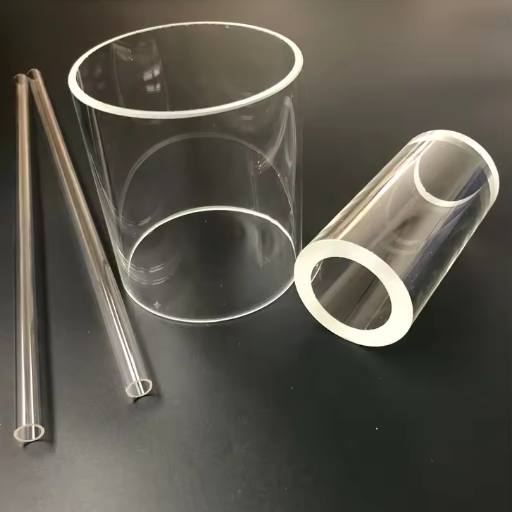
The materials and technology required for the production of a flexible hose (withstanding heat, corrosion, and wear) are now done using latest materials which are able to further resist, if not to overcome, abrasion, wear oxidation and high temperatures. These materials are common and widely used and they are stainless steel, fluoropolymers and high performance polymer such as PEEK known as Polyether etherketone. These materials are specifically designed for the purposes of tubing industry as they are not only maximum moisture resistance, but also ensure compliance with chemical policy, avoid corrosion or contamination of the product. In the process of the assembly, tubings are produced using very high accurate mechanical engineering coupled with raw material control in such a way that the wall thickning remains constant with no wobbling preventing failures as in metal tubes under very high pressure. Such stringent material compositions are very important if one is to expect durable performance from the product most especially in respect to the extreme environments and industrial requirements they are not readily exposed to over the years.
Flexibility and Easy Installation
Numerous advantages can be attributed to the elasticity of the tube. It can be quickly and easily mounted in the most intricate network of the equipment simplifying the installation process and actually reducing the amount of time spent on set-up. Due to its high elasticity this hose rotation cannot create collapses even under the smallest angles, preventing the many forms of obstructions or inflictions. Every expectation is also met by its making it easy to handle even in environments or conditions where such a thing is a challenge to human strength or means. Its ease of use and flexibility make this tubing perfect for applications where quick and simple installation may often be needed yet maintaining a top quality and and reliable performance.
Ease of Compatibility with Different Fluids
There is a wide array of fluid types that the tubing can be used with and is suitable for many applications as a result. With the help of the stated fluid types & ranges, such configurations as the tubing becomes resistant to fluid damage both in corrosive and neutral fluids. Be it water, oils or the acidic alkalines it ensures that the fluids do not have an adverse effect on the material. It is also equipped to operate under different temperatures and pressures without any complications. This marks it as being compliant for all or regulatory purposes where the wish remains long-term durability even in motion. The construction therefore addresses the insurgent issue of fluid contamination or rather any foreign matter getting into the system. Such contaminations can be dangerous in healthcare, manufacturing and food industries, where sterilized systems are the rule. Those features create it as a pipe that can be used for multiple activities since it is not only fast but also prevents accidents.
Real-Time Monitoring and Measurement
How to Ensure Liquid Accuracy by Making Use of Tubing System
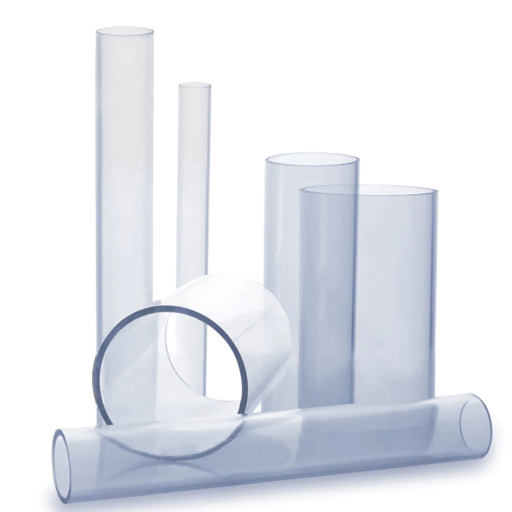
Mo dern tube systems have proven their effectiveness in accurate liquid measurement in various industry fields. Thanks to the cutting-edge sensor technologies in specific materials, such tubing systems as well as the tubing itself facilitate measurement of flow rate, pressure, and the composition of the fluid. Tubing solutions are nowadays made with a view to reduce measurement errors, and to ensure that no other factor such as the obstruction of the fluid. It is achievable that such tubing will work effectively without any defects as it is in the case of the pharmaceutical and the biotechnology industries, where the dosage of the fluid and its review all reserved may mean salvage outcomes. Although provisions are in place for their strength and chemical resistant capabilities, they do not influence its accuracy even in some of the harshest conditions like a very high elevational or a difficult crevice in which no other construction may be built. Advances such as these simply underline the importance of tubing systems in the achievement of accuracy and safety in liquid measurement activities.
Feedback Mechanisms in Fluid Systems
Feedback mechanisms are important when it comes to maintaining the stability and accuracy of fluid systems. These include controls on various matters in the system, such as pressure values, flow rates, temperatures, and actively translates those controls into practices that modify the system when need arises. For example, modern sensors systems are able to observe a certain deviation in the transport of a liquid then control valves are activated to fix the liquid back into the system. Undergoing this change reduces error rates in the system, prevents occurrence of certain risks such as over-pressurize and consequently enhances the effectiveness of the system. This term has substantially improved with the availability of enhanced sensor technology particularly those of advanced feedback systems as these are now very much on demand from such applications of industrial manufacturing and medical diagnostic systems.
The Application of a Secchi Disk and the Definition of Turbidity
The incredibly sophisticated, technically advanced approach to elucidating the properties of water known as water quality is also facilitated by water turbidity measurement through a Secchi disk. By suspended particles, we mean the tendency of water to lose its clarity or to increase in “haziness”. This instrument is called a Secchi disk and it was named after Prof. Angelo Secchi. There is also, however, the so-called Secchi depth, which is an index of the clarity of water which then translates to turbidity with low values meaning clearer water while higher turbidity levels reduce visibility. The improvement in the science of water quality monitoring means that functionalities of the traditional Secchi disk combining special effects with digital technology have provided a great deal of information owing to the intricate character of aquatic systems supporting research work, including pollution and water quality measurements.
Performance Metrics of Transparent Tubing
Flow Rate and Temperature Components
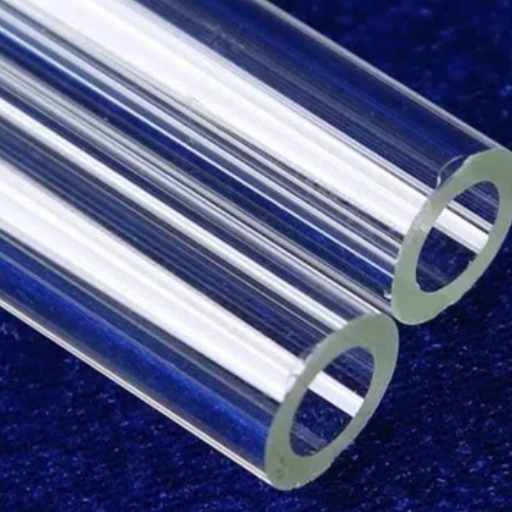
Two of the most critical aspects of transparent tubing in various fields are the flow rate and temperature. The flow rate helps to identify the volume of fluid that can flow into the tubing over some time and this in turn influences how the system functions and its processing power. On the other hand, temperature modification modifies the material properties of the tubing, resulting in changes in characteristics such as resistance to wearing or distortion and shape alterability. Some materials such as PVC, silicone, and Teflon are suitably configured to endure a particular temperature range so that the structure maintains its intended levels of operation or performance. Such critical conditions are contributing rather towards the application of industries like medical devices, and the actual manufacture, chemical production, and pouring, of food, and drink industries; it is in such targets that precise requirements are set where it is always about the optimization of the physical behavior patterns of a given system to enhance the delivery of safe and dependable results.
Optical Density (OD): Defined and its Significance
Optical Density is the sole and unique measure of the ability of a particular material to absorb radiation at a certain wavelength. It has long been a prominent component in numerous scientific and industrial works in fields like spectroscopy, microbiology, and material science. It is an important technique in these fields in that it allows one know the degree of falling off of light on propagating it through some goods. Whether some goods such as compositions, paints, inks and filters are actually reflective or exhibit variable capabilities can also be found through the determination of OD. For instance, in microbiology, researchers often measure absorbtion at specific wavelengths (usually at 600 nm) to determine cell concentration in a liquid environment which helps in evaluating the rate of growth of an organism and prepare the optimal conditions for the spatiotemporal approach. APPSR Microbiology questions does not stop there. An example here would be in the field of optical equipment or lens manufacturing. In this case, the concept of optical density is quite essential as it helps in achieving correct light filtration, an aspect of great importance especially for devices such as sunglasses, laboratory equipment, laser instruments and all other devices using light. Use of such accurate measurements of OD by different industries is most critical for ensuring the standards and alignment performance of their products and services as well as during the quality control process for production.
Transparency and Visibility in Monitoring
What’s the importance of knowing the transparency of the fluid in the pipe? The answer is simple! Transparent piping means that you will be able to observe the fluid that passes through the pipe and this permits regulation in flow volume as well as detection of presence of bubbles and color changes and many more. Industries like, for example, pharmaceutical, food processing, beverage industry, or research controlled environments require stringent adherence to specific protocols and cleanliness practices. The ability to see the flow of the medium allows the operator to highlight problem areas such as clogging, dirt and air entrapment without necessarily dismantling the system, therefore every activity is undertaken with increased efficiency and risk management perception.
However, semi-opacity in a tube may as well prevent some ultra-sensitive materials especially liquids from being seen. This allows for a particularly beneficial see-through restriction in some particular regions. For instance, when it comes to light exposure detrimental to the liquid, as in materials fostering chemically reactive or photo curable liquid material through a tube, it many cases it would be of semitransparent nature. Thus, users can view it coming through during a process in order to assess the progress. Sensitivity once again is compromised, calling for the need of other destroyable or removable indicators. That is why there will never be a resolved issue in terms of transparency and whether in real sense it gets put up or in charge. Handling both good modeling and thorough processes would be less complicated through choosing an appropriate tube material to best meet the requirements of the intended application.
Choosing the Right Product for Your Needs
Criteria to take into account when choosing the monitoring pipes
While choosing the fluid monitoring pipes, I always start by criteria specific to my application. To begin with, I examine the tubing with respect to the material. Every type of material e.g. PVC, silicone or polyurethane has different qualities which determine the fluids it will be able to handle. Silicone Suction Tubing, for example, is common for temperatures that are above the normal and as well, it the safest material to use. Polyvinyl chloride, on the other hand, has some good attributes which are one of the kind. To enhance usage of the pipe also, including the temperature, pressure UV also real instruction for the material is end user.
Next, the transparency and pliability of the tube in question are examined. If the system requires real-time visualization of the liquid state all the time, silicone tubing is preferred, as it provides a good view of the flow conditions, unlike tubes fitted with sensors or gauges. On the contrary, if shear force is likely or there is a possibility of the tubing being worn out in the course of using it for example, I consider the need for thicker layers in the tubing or using a more resistant material but limiting the “visibility” in the tubing. This flexibility is very crucial concerning dynamic systems which may have narrow outlets or require multiple turns within its structure. The process of deciding on the type of tubing begins with looking at it from a viewpoint that can make it clear that a flexible, yet durable, tubing is needed to cater efficiently for the intended purpose. And, finally, I take the question of whether the tube can act effectively with third-party equipment and also how easy or difficult it is to mount. How does tube size correlate with that of pumps, fittings, or connects can be used in applications where precise flow control is essential. Also, design solutions that enable easy joining and can be dunked for minimum time in case of any repairs are always my first consideration. I always look at the full picture in that I appreciate what the fine print says and what is required of the application with that, I can recommend a product that will work without any hitches as far as performance and resistance are concerned.
Comparison of Different Types of Silicone Tubing
The vinyl plastic tubing has a lot in common but it usually offers very tight pressures i.e. need higher pressure. This maybe its advantage since during an illness, you would want to give additional fluids to the patient. However, since alloplasty has become more popular than previously and is known to be very effective in issues on plastic surgery, this kind of expansion risks can almost be eliminates altogether. It is essential to rely on the literature not to get mixed up and try to make something on their own, when the patient would be it already performed. Many cited out circumstance so some used the nonoperative way even in regard to microcannula drafts.
Effective Product Evaluation Using User Comments
Feedback from users is perhaps the most significant factor that is used to evaluate products’ quality. The reason for this is that it offers ideas and details on the performance of the product in practice, that is how efficient, dependable and long-lasting it is. Most customers who utilizes silicon tubing for different purposes give feed-back on the product’s ability to curves, ability to intense temperatures or the chemical’s persistent capacity/characteristics. This information enables its users to find the recurrent hitches such as more robust fields, like wear or easier services, like fixing or quite persistent housing on high press campaigns. In this sense, it is possible to identify the advantages and disadvantages and the improvements are made along the line that is designed to comply with the demands or the given needs of the potential customers.
Reference Sources
-
A Review of the Real-Time Monitoring of Fluid-Properties in Tubular Architectures for Industrial Applications
Explores the use of transparent surfaces and distributed acoustic sensors for monitoring fluid properties in industrial systems. -
Mechanically Flexible Viscosity Sensor for Real-Time Monitoring of Tubular Architectures for Industrial Applications
Highlights the use of transparent PVC tubing in laboratory setups for real-time fluid monitoring and viscosity measurement. -
A Real-Time Monitoring of Fluids Properties in Tubular Architectures
Focuses on the reliability of transparent tubes for fluid monitoring using optical and acoustic sensors.
Frequently Asked Questions (FAQs)
What factors should be taken into account while selecting a hose or tubing for liquid flow applications?
When it comes to hose or tube selection, regardless of the terms used to describe it, a few key aspects to keep in mind are the fluid media, temperature, size, and the requested lifespan of the conveyer. For instance, for better results in performance and accuracy there are those that are made of improved functional materials such as clear silicone or rubber ampere- micas. In the case of industrial as well as laboratory applications, it is necessary to use angular blocks, which have the ability to meet close tolerance in operations. When choosing the length and other parameters of the moving parts, consider whether the spot will be stationary or moving, and if stationary, what method of suspension will be employed. Finally, whether replacement part, simple tools etc. relief of replacement of the spares and guarantee continuous monitoring.
What are some of the clarity and visibility aspects when using silicone tubing for fluid viewing reveals?
Transparent silicone tubing is quite effective for fluid observation as it maintains fluid clarity and helps observe fluid or detection of bubbles or contaminants. This clarity of both the liquid and the equipment is advantageous in laboratory applications as well as in real life applications as one undertakes process monitoring since he or she does not have to break the feedback to make visual observations. This material offers superb anti-abrasion properties, does not tend to suffer from poor performance due to extensive chemical exposure, and has a longer shelf life compared to other alternatives made out of rubber. For example, to ensure the tube’s measurement accuracy, attach it to an appropriate meter or sensor, insert bare ends and provided fittings meeting the diameter of the tube so that there are no pipe fittings losses. In situations where high failure rates are not acceptable, select tubing that is less likely to develop any surprises such as haze and that remains transparent for longer periods.
Can measuring equipment from a monitoring kit contain meters or other such equipment needed for connection?
Many packaged monitoring kits contain the basic essentials such as a meter, appropriate fittings/clamps and also sometimes additional tubing making operational readiness on a system easy. They also come with attachments to be used on the laboratory and in the industrial setting and hence, one should purchase this kit as it has different adaptors for diameters and also has transfer lines, if you want to get an accurate and smooth fluid flow. Thus a good monitoring kit should include silicone or rubber elements to protect this surfaces from both mechanical and chemical damage. Choose a kit that gives every feature considered in maintenance, and gives ability of removing and reinstalling the same equipment and maintenance use of the same equipments by buying spares and tools at the same, such a kit should be with firms walled clear tubes and protects with tools for the connecting devices. The use of individual every individual item from different manufactorerers may give the best item out there but choosing a good kit without any second item without spare parts and tools aimed at limiting activities will result in higher accuracy.
How important is inner diameter and diameter tolerance in the accuracy of measurement?
Ifut, keeping the tolerances as specified in the limits of these dimensions will influence not only the flow rate of the fluid but meter readings as well as the precise and repeatable measuring capability. If the limit values are exceeded, the inaccuracies may exceed the acceptable value, resulting in the occasional need for additional metallurgical preparation of the transport channel or its pipelines. Specifically, for laboratory uses or processes seeking maximum precision, obtain the tubing with the uniform internal diameter, have proper meters coupled with correct size connections. Finally, after considering the wide range of flow rates and the configuration of the pipe or transfer line, the tube is appropriate and can be used for given operational conditions. Another reason for size variations is due to the lack of pockets and clear absence of fluid in the tube, making it easy to clean and to store.
How does one determine the intervals at which clear flow tubes should be replaced or maintained?
The procedure for changing the tubes is based on the operational conditions of the system and the effects of the corrosive substances, and mainly on the importance of the system’s reliability in meeting the service requirement; systems with a high usage intensity or working with the abrasive media will require checks and replacement more often. Checks for any clouding, cracking, or loss of transparency especially indicate corrosion aging behavior which dumbs down the tubes causing failures and measurement errors. Ensure general cleanliness and that all seals and mechanical fixtures are tight to the equipment for sustained operation and seamless progression. Having another available set of clear tubes and a spare tubing’s maintenance kit can help to shorten breaks at both lab and factory locations. In most cases, record the hours in which a given process is undertaken and the prevailing environmental conditions so as to determine the intervals at which such undertakings should be repeated.