
Eiwitzuivering heeft een cruciale rol gespeeld bij het bevorderen van de biotechnologie en de laboratoriumwetenschappen, waarbij talloze opmerkelijke ontwikkelingen zijn geboekt in de geneeskunde, het onderzoek en zelfs in de industriële toepassing. Het enige probleem hier is dat zuiveringsinstrumenten heel vaak niet dragen wat hun werknemers verwachten, wat de neiging heeft om de zuiveringsprocessen te compliceren en soms te ingewikkeld te maken, wat van invloed is op de effectieve output die door dergelijke processen kan worden bereikt. Eerst kwam op maat gemaakte acrylbuizen buitengewone tool die de praktijk van eiwitzuivering heeft hersteld. Dit artikel zal dieper ingaan op hoe deze specifiek ontworpen buizen, afgezien van het verbeteren van de prestaties, beantwoorden ook aan de moderne eisen. Noch de verfijning, de lange levensduur of hoeveel het de consistentie van werkkwesties verbetert. Deze prestaties hebben recente eiwitverschuivingsprotocollen gegenereerd. Wetenschappers hebben radicaal in eiwitverschuivingsprotocollen gegenereerd.
Understanding Acrylic Tubes and Their Applications
Acrylic Tubes: An Introduction
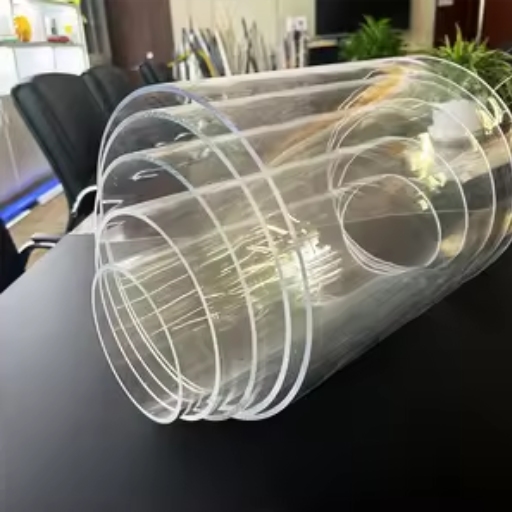
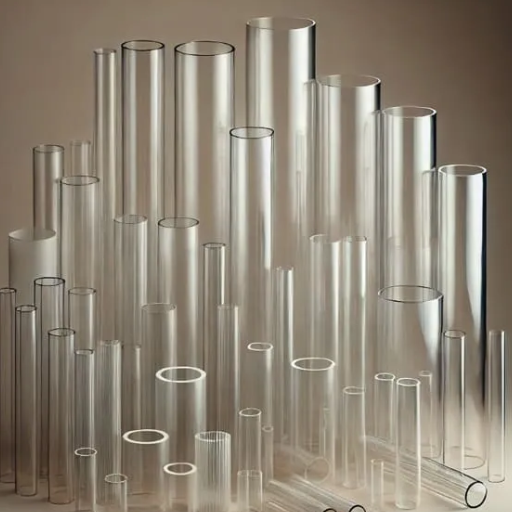
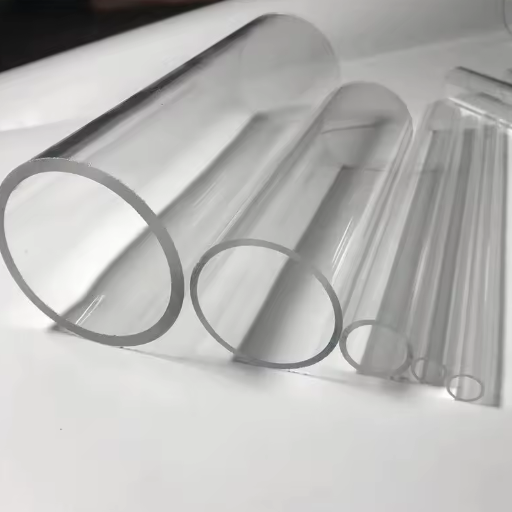
Acrylic tubes are essentially plastic tubes that are constructed from a specific plastic known as polymethyl methacrylate (PMMA). Nearly all sectors of commerce find them to be practical due to their transparency features, weight and robustness. They are sheltered from unwanted wear and tear and avoid collapsing under an impact that is why they serve as long-term solution for internal and outdoor uses. There are various forms and thickness levels available, making it possible to meet individual needs with built-to-order acrylic tubes. The adaptability and see-through characteristics make them suitable for creating scientific instruments, showcases, plumbing when manipulating fluids, and art equipment with no skimping on the extent of the beauty within the induct.
Advantages of Acrylic Over Conventional Materials in Purifying Proteins
Acrylic aids in protein purification oganizations in that its’ material allows for many superior features. The advanced quality of the material’s transparency; helps to assure proper work by ensuring controlled circulation of the liquid within structure’s or vessels for purification. In addition to that, acrylic is a highly functional material due to a blend of being light and strong making it easier to add within sophisticated lab equipments without being bulky or rickety. Acrylic is also resistant to chemicals meaning that even in the presence of commercial cleaning agents and chemically active solvents in protein purification, it would not be easily affected. Its ease of use with the help of softening and shaping techniques enables all extra pieces required for protein’s purification systems to be conveniently and effortlessly made. Because of these Mechanisms Acrylic is said to be a less expensive and efficient as well as reliable material that is in use with the new technologies in sciences like biochemistry and protein isolation.
Everyday Uses That Bring Bioplastic
Among the many wonderful properties possessed by acryl, its use ranges in biotechnologies processing. A lot of numerous laboratories use this to build bioreactors and most significantly because it is wanting, this material allows cell culture processes to be eye-checked. Acrylic is also largely used in protein purification systems because it is chemically stable and customizable in a way that diverse such systems are constructed with minimal dissipation, thus, effective recovery and analysis of proteins is possible. It is also possible that research embryo even includes a comparable microchannel in other types of research. In order to address small sample sizes in diagnostic research as well improvement in devices able to handle small sample volumes material acts in the capacities of functional materials for diagnostics. Economic and physical resilience makes this plastic useful in the laboratory for making things like protective shields, pipette racks and flow cells as these are cheaper compared to the ordinary one use items. These many practical uses affirm that acryl continues to be one of the materials that is actively involved in the advancement of bio-technological skills and creativity.
Custom Acrylic Tubing: Tailoring Solutions for Your Needs
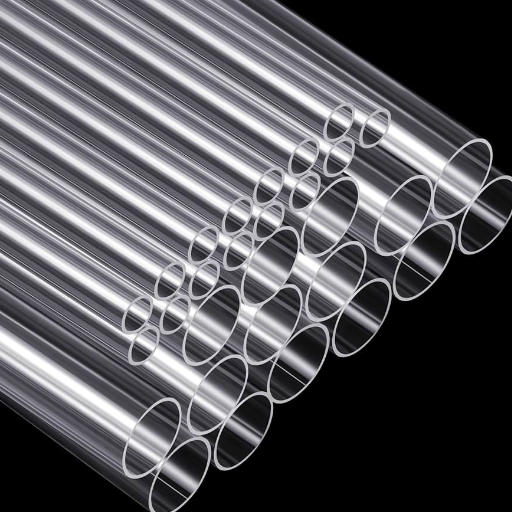
The Advantages of Acrylic Films When Sizes and Shapes are not Standard
One of the main properties of the custom acrylic tubes is their flexibility in terms of meeting different application requirements by confining them in different sizes and shapes. This property enables it to serve well when a more specific industrial process or technician equipment or even medical designing is needed. This ensures that such tubes, do not be termed or marked simple tube passing through the system but go ahead into determine specific phrases that the top of that tube should not reach and if it does that would be a catastrophe. The cutting waste would also be reduced to minimum thus improving the efficiency around the system at the same time making system construction viable even in situations where it would have been impossible. The custom design that is tailored for customer requirements enables among other things the insertion of new features such as laser engraved design or custom shape design to the product to meet special operational requirements. This degree of accuracy underlines the relevance of using custom designs to realize better results in different fields.
Tips for Purchasing Bespoke Acrylic Tubes
When it comes to bespoke acrylic tubes ordering, it is a rather easy affair provided you understand the whole process and get your act together. First, Identify specifically what you need for your particular project such as the length, diameter, wall thickness, special treatments such as threading, etching or logos and other peculiar shapes. Then find Qualified suppliers to work with knowing well that such requirements will not be fulfilled by just any provider. If you have further peculiar details to provide, you should contact a few such companies to get suitable quotations and timelines. Check the details concerning the tailor-made characteristics of the acrylic with the supplier to ascertain that your acrylic tubes fulfill those requirements with regard to, for example, resistance against UV rays, translucency, or impact resistance. It will also be extremely helpful to ascertain the vital information such as MOQs, lead times and delivery modes. In some cases, prototypes or samples can be offered for verification checks before the user goes ahead with mass production. In doing so, customers can expect to receive custom acrylic tubes exactly as they were envisioned and developed, which translates in a commendable performance and high quality product.
Considerations for Material Selection
Tailoring appropriate materials for acrylic tubes altered as per specified fabrication is a necessary undertaking for the purposes of achieving the required performance. This is the case with several mechanical properties that are associated with how much force a material can take, or how much it can be bent before it breaks, wears out or suffers any other irreversible damage, like tensile stress, flexibility and durability both in terms of strength and application in environmental conditions. Additionally, such factors as thermal resistance cannot be ignored because such kind of a material should be able to function effectively in various conditions without unstable form or uncertainty in terms of the material quality. On the other hand, high clarity or optical grade visors are essential to some corrective and sound abatementdevices where asthetics are a consideration. Another issue that is considered is chemical acclimation involving whether the materials in question and the solution that may fill them, for example a solvent, cleaning agents and other wet industrial processes and thus the segmentation of application. It may be less harmful over the long run to focus similarly on the aspects of cost and the environment as more advanced materials have green versions, which meet the performance requirements and at the same time are environmentally friendly. Clearly by different ways of material selection, each of these factors impacts materials selection, allowing for successfully learning desirable results from applicable types of the final product.
Extrusieproces van acrylbuizen
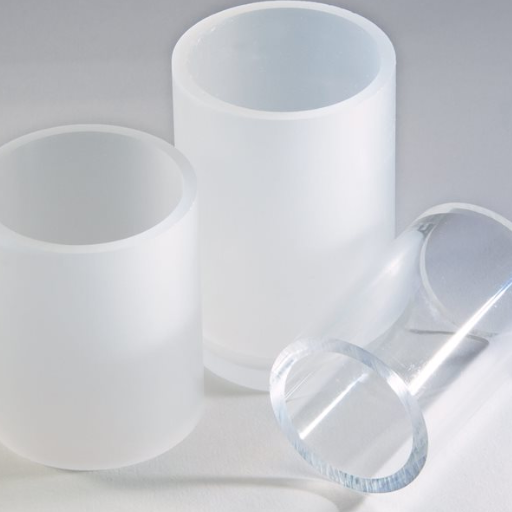
Synopsis on Acrylic Extrusion Process
The process of acrylic extrusion is designed to produce quality acrylic pipes that are properly sized utilizing intricate steps. A process that involves control is heat related to heating material of polymethyl methacrylate (PMMA) pellets and this is called acrylic extrusion. These very granules are directed to the extruder where they are melted at specified heat and condensed into a thick liquid. This thick liquid, vertical (elliptical) portion then kills one phase and flattens the tube. It is important that the tube is maintained until it hardens and cools properly with the prevention of deformation. Water or air cooling equipment is often employed for this purpose. The latest significant keys in the invention of extrusion until the full range of every type of pipe is designed to be freely changed, as per the preferences of the customers that it serves by various thicknesses of walls, diameters, outward surfaces. Moreover, present-day extrusion technologies are rather complex and environmentally friendly with energy-efficient devices and recyclable materials. The quality of the device is much appreciated as it is very reliable in terms of applications such as construction, medicine and automobile industries or others, making Eksdrusion popular and productive over a possibility of operation in different segments of the industry.
Quality Monitoring and Management in the Acrylic Tube Manufacturing Processes
Kwaliteitscontrole in acryl tube production is seen as a significant procedure aimed at attaining high quality. Enterprises resort to in-line (e.g. ready product testing) and off-line (X-ray inspection, 3D scanner) quality techniques with such intuitive control devices as optical measurement or ultrasonic testing that allows zeroing in all possible defects like cracks or any dimensional variations in the tubes. Moreover, there is the tests on the raw materials for their aggressiveness and uniformness so as to make the acrylic material more clear and hard. Most of the times, to determine whether the final product will be able to withstand well the thermal or mechanical conditions; manufacturers apply the so called stress tests. In this way, top-notch technologies and an established product quality control system allow to produce as many acrylic tubes meeting or even exceeding requirements of all the industry norms and causing no objections from end users.
Comparative Evaluation with other Scratched Metals
| Materiaal | Lichte Transmissie | Primary Advantage |
|---|---|---|
| Acryl (PMMA) | Tot 92% | Highest optical clarity & weather resistance |
| Polycarbonaat | ~88% | Superior impact strength |
| PVC | Translucent/Opaque | Cost-effective & chemical toughness |
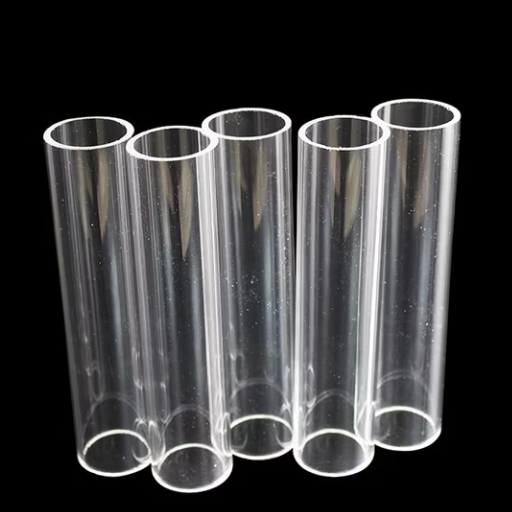
Compared to other extruded materials like polycarbonate or PVC, acrylic is more preferable for extremely high transparency and excellent wear properties. Acrylic has far exceptional light transmission levels that can be as high as 92% making it ideal for applications requiring high optical clarity for example camera and projector lenses, digital alarms as well as fish tanks. In contrast, Polycarbonate is very durable even in the most extreme cases, although it seems to be tinted more than clear. Whereas Polyvinyl Chloride is tough material that has desirable economical features, its scratch resistance is much lower and its due to staining when exposed to UV rays. bialy acrylic material has another advantage in this that it is resistant to variations in high or low temperatures or atmospheric conditions as opposed to use under very little or mild conditions which is why it is used in situations such as PVC. On the other hand, Polycarbonate also has great strength compared to the previous two. And these have made it widely used in safety manufacturing. The bottom line, however, is that specific projects will dictate the kind of material to be used, with cost, performance and aesthetics weighing in on the decision. Through advancements in plastic processing technology, new applications are emerging in the processing of these 2 raw materials and materials continue to show technological superiority as well as the advantage of wider application.
Clear Acrylic Tubes vs. Plastic Tubes: A Comparative Analysis
As I comprehend, clear acrylic tubes are sought after for their amazing optical clarity and lightness. These tubes have abyssal depth of light transmission and at times their light transmittance can be as high as 92%, which makes them great when used in applications which need to have a visible out part and it is important for it to be arranged well. They are an excellent alternative to glass, since they are incredibly lighter yet, relatively unbreakable enhancing their usage in almost all key sectors ranging from manufacturing display casings to lighting structures and also in fish tanks. Acrylic as a material is non systems specific character plastic material as it tends to be low in weight which therefore makes it easier to handle when in form of tubes or cannot ease re-arranging and coupling elements in scenarios such as pipe installation for example.
Another great characteristic of transparent acrylic tubing is the superior climate resistance it offers. Not every plastic is capable of magnifying its own weather-proof attributes. It is true that an acrylic remains strong enough aside from its clear state such that it is viable even in intense environments and even at temperatures which are scorching or freezing alongside battered soils and dust, including UV rays. Moreover, these tubes are easy to part, shape, and unite, allowing architects and mechanics to realize a lot of their design ideas. Though not capable of the same level of break resistance that polycarbonate tubes can be achieved, due to their resistance to scratching and their being inexpensive, the argument for their utilization in numerous applications where preserving overall intense clarity and some level of sustainability would be captured, is strong. Therefore, clear acrylic tubes are effective both as a design element and as a useful material.
Advantages of Plastic Tubes in Lab Settings
Lab equipment needs more or less various types of tubes: the plastic ones are typically preferred because of amenability to long-term use, the style variety and the economical aspect. Their portability, versatility and toughness connected with their light weight also significantly reduce probabilities of accidents or wear than, for instance, similar items made out of either glass or metallic materials. There are also other positive aspects of the use of plastic tubing and chemical tests that often exceed painting. High resistance to chemicals is one of the biggest pluses as most of the plastic tubing can be passed through with almost any chemical without damaging or reacting it, thus reducing chances of malfunctions during an experiment. Thin tubing of Pyrex or borosilicate that are more susceptible to chemicals if even the slightest drop of water is left standing in it for a few days. Some types of plastic, say polypropylene or PTFE some high and excellent thermal conductivity meaning that they can serve well in the situation where temperatures are the most rare and become the worst of a challenge. It Is easily observed that in some plastic tubes the sample may again be viewed through the wall of the tube. This is in particular requested when immiscible components need to be separated or co-precipitation occurs. On top of these uses plastic tubing is affordable and greatly helps in cutting costs in labs where there is need to maintain effectiveness and also use funds constrictively. Undoubtedly these features necessitate the use of plastic tubing in every up-to-date laboratory.
When to document when to Choose Polycarbonate Tubes
Decisive factors for polycarbonate tubes include their compactness along with stability, shatter-resistance, durability, and destructive effects, which are characteristics of the material. It is unbreakable unlike any other clear plastic due to the high resistance properties exhibited by polycarbonate that is able to withstand brace displays of HE and mechanical strength in particular. The structural polycarbonate tubes are very good in terms of temperature operating bands from low to very high and do not distort easily. These enclosures with their technology also offer more than weight benefits because they can see through beautifully because the refractive index is quite high, and when high robustness and transparency are required, these enclosures are chiefly suitable for the applications in factory and laboratory settings. In such scenarios as ruggedness and consistant working conditions both the application of polycarbonate tubes becomes recommended and economically advantageous.
Best Practices for Using Acrylic Tubing in Laboratories
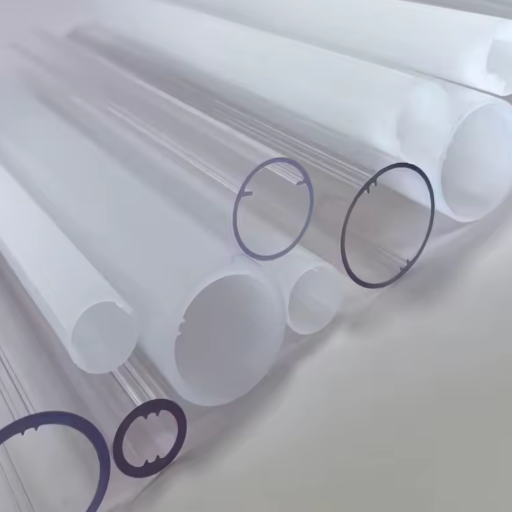
Preservation and Transportation Rules
Concerning laboratory surrounds, having to warehouse and transport the acrylic tubes is another issue, and there are several principles which I observe if the efficient performance of these plastic materials is to be guaranteed. In particular, when it comes to storage of acrylic tubes, I always ensure that they are not stored in areas exposed to direct heat or sunlight. The accumulation of dirt in the panes of the tubings occurs more rapidly with this scenario and this may necessitate more vigorous in-and out- king chemicals. Owing to careful storage in temperatures that are neither too low nor too high, such tubes are resistant to ultraviolet exposure. Extreme humidity and temperatures in most structures may also cause fluctuations, which could in the longrun cause stress cracks or any other form of damage. I always prioritize safety and avoid any scratches or abrasions on the surface of the tubing during the operation. Though known for it’s clear properties, acrylic does get scratched which is why I clean the same with soft cloth or any other items that would not damage it. In addition, I do not allow the use of sharpened objects in the vicinity of the tubing to keep. Finally, in case the acrylic tubes need to be removed or manipulated in any way I prefer the use of professional cutting tools that are designed to work with such materials as an alternative to minimize any cracks or breakages. In addition, reducing the harmful effects of chemicals is one of my primary considerations. Acryl is a product with an outstanding level of transparency. Acryl often provides high levels of strength and shape retention; however, it is vulnerable to a number of solvents and chemicals typically found in scientific research. Such substance should not be used, as it affects the transparency and strength of the material to a visible extent. To achieve the desired result maintenance aim, I foster a strategy towards solvents and through following the guidelines for proper “acryl” treatment, I can provide a necessary focus on tubes and thereby use, for a longer period, such tubes for various purposes of a laboratory.
Increasing the Durability of Acrylic Tubes
Harsh cleaners and abrasive substances such as scouring pads will harm a good acrylic surface, one that is meant for everyday or permanent use. Before these steps become necessary, or worse, before acrylic clear tubing ceases to look clear amid a plasticizer challenge, then these clear tubes will always need to be stored in a purpose-built unit within hours. Harsh cleaners and abrasive substances such as scouring pads will harm a good acrylic surface, one that is meant for everyday use or permanently fixed. To minimize such chances, further harm to the tubes is worked through damage inflicted on windows and the transparency distorted. For sanitary purposes, the acrylic pipes will then need to have the huds extend from both ends of the doors. Even more, light through the acrylic pipe will not mandatorily pass straight through the tubes. Such an instance spa through the acrylic tube will have enhanced the direction and the users’ wait throughout the facility before entering the tube.
Safety Security Measures in Using Acrylic
It is imperative that workers prioritize safety around acrylic materials as safety prevents injuries and enables employees to do a good various operations involving the material. It can cause in the process being cut, drilled or even sanded and this also means they would be required to use appropriate attire such as goggles, and respirators. It is also important to remember that the cutting or sculpting of acrylic produces fumes in a closed environment that may be harmful as well as that is why the room should be a sensible ventilator. Treat acrylic materials promisedly so as not to get injured by sharp edges and of course do not forget to use acrylic oriented gadgets in order to avoid the possibility of a breakage. Ensure the storage of the said material away from flames or very high temp as the characteristics of acrylic material promote the risk of fire. These steps are but a few of the ways in which one can work with acrylic and maintain occupational safety and health.
Referentiebronnen
- A Multi-Column Plate Adapter Provides an Economical and Versatile High-Throughput Protein Purification System: Research on innovative systems for high-throughput protein purification.
- An Automated Tube Labeler for High-Throughput Purification Laboratories: A study on custom-designed tools for improving lab efficiency.
- Introduction to Protein Purification: A comprehensive guide covering material considerations like acrylic.
Veelgestelde vragen (FAQ's)
Is it true that acrylic tubes can be considered more useful and visually appealing compared to glass ones?
Soms is het zo dat Custom Acryl Buizen beschikbaar zijn die vrij helder en een perfecte vervanging voor glas is, is een dergelijk materiaal van verhoogde sterkte dat 10 keer beter bestand kan zijn tegen stoten als het kan worden gemaakt in een speciaal ontwerp Vloeistof-vloeistof scheidingssystemen bereid met behulp van gegoten acryl en helder geëxtrudeerde soorten van deze buizen zijn gebruikelijker omdat ze goede optische eigenschappen hebben voor visuele monitoring van eiwitzuiveringsprocessen. Het zijn mentale kleine glas en kunnen worden gebruikt voor verschillende toepassingen, terwijl platina, elegant maar niet erg praktisch glas, goed voor breken dan snijden, grote uitdagingen met zich meebrengt De beschikbaarheid van verschillende gradaties, zoals helder plexiglas of plexiglas acrylbuizen is nuttig voor gebruik bij het monitoren van scherm van raamkwaliteit en in een directe plastics-toepassing.
Plexiglas acrylbuis toont de beste chemische bestendigheidseigenschappen in zijn klasse, waarom en wanneer zou ik hem kiezen?
Als we het hebben over plexiglas en geëxtrudeerd acryl, is het bekend dat ze bestand zijn tegen verschillende chemicaliën, zoals buffers en andere oplossingen, die worden gebruikt voor eiwitzuivering, met enkele uitzonderingen op oplosmiddelen die zeer agressief zijn. Ze behouden echter weinig tot geen chemische bestendigheid, dus als extreme chemische bestendigheid nodig is, kies dan voor gegoten acryl of specifieke harskwaliteiten die bepaalde reagentia bevatten in hun ingrediëntensamenstelling. Tot de hierboven genoemde patiënten behoren polypropyleen en PVC, wat een optie kan zijn voor kunststoffen als er een hoge oplosmiddelbestendigheid is, maar ze zijn niet zo duidelijk als de gronden die basissterkte en handige materiaaleigenschappen bieden. Voer verwijzingen uit naar en controleer de meeste chemicaliën die in uw proces worden gebruikt om toe te voegen aan de verwerkingshulp of sterkte van het ontwerp voor elke lange termijn bepaalde behandeling impliceert.
Wat is de relatie tussen de parameters van de dikte en diameter met betrekking tot de prestaties van heldere acrylbuizen voor zuiveringsapparatuur?
Met betrekking tot het vermogen van deze buizen om te presteren, zijn dikte en diameter cruciaal omdat dikte helpt bij de relatieve stijfheid van de buis, slagvastheid en het vermogen om interne drukken te weerstaan, terwijl de diameter veranderingen in stroomsnelheden en het vermogen van de buis om een bepaald volume vast te houden Naarmate de muur dikker wordt, is er verbetering in de plyomechanische en schuureigenschappen van de muur, maar de optische transmissie neemt enigszins af als gevolg van een toename van het gewicht van de buis en bij afwezigheid van polymerisatiekrimp na betere verwerking. Op de markt is er een breed scala aan toepassingen en toepassingen van geëxtrudeerde en gietende acrylbuizen beschikbaar zuiveringszuivering voor industriële en laboratoriumkeuze. Bovendien zullen snijmoleculen en -radius-aanpassingen uitgebreid worden gegarandeerd voor pasvormen.
Is het mogelijk om acrylmeniscussen op maat te krijgen of op maat te knippen die geschikt zijn voor bepaalde laboratoriumconfiguraties?
Zeker Een groot aantal producenten levert diensten van aangepaste lengte en dikte van buizen in alle mogelijke maten en materialen, zowel in heldere acryl buizen als ook in taflon buizen De lengte van deze buizen kan worden gesneden om uw specifieke lay-out aan te passen Dit is erg handig voor situaties waarin buizen moeten worden bevestigd op een zodanige manier dat ze passen in laboratoriumrekken, kolommen of speciale spruitstukken omdat de standaardlengtes te lang kunnen zijn Verschillende maten, diameters, of zelfs verschillend gekleurde buismaterialen voor het coderen van lijnen voor verschillende behandeling takken kunnen worden aangevraagd Aanvullende diensten kunnen omvatten dergelijke procedures als endcapping, boorgaten, het verbinden of verbinden van onderdelen door laser zodat ze passen in een op maat ontworpen hardwaresysteem dat naadloos verbetert De aangepaste functionaliteit en ontwerpen van de afvalstructuur van minimaliseert.
Kunt u uitleggen waarom geëxtrudeerde of gegoten acryl de voorkeur zou kunnen hebben voor de buizen en de relatieve kosteneffectiviteit van elke optie overwegen?
Common heldere geëxtrudeerde acrylbuizen wordt geëxtrudeerd waardoor meer grootte variaties en is over het algemeen minder duur Pro unha do co-esthetische en mechanische flexibiliteit zelfs gegoten heldere geëxtrudeerde acryl kan niet zien en presteerders nieuwer dan geëxtrudeerde buizen Geëxtrudeerde buizen hebben de voorkeur voor de meeste grootschalige industriële en laboratoriumtoepassingen, omdat ze veel lichter en homogener zijn, zoals het geval is met helder plexiglas en geëxtrudeerde buizen worden gebruikt meer voor hen alledaagse in plaats van decoratieve stukken Terwijl duidelijke extrusies, in het algemeen zullen worden gevonden om goedkopere uitsnijdingen van het controlepaneel te laten zien hele systemen bijna volledig opgebouwd uit helder gegoten acryl van halve inch Echter, terwijl geëxtrudeerd acryl voldoende kan zijn, in minder kritische soorten precisie zuivering, is acryl, gegoten acrylaat vaak de voorkeur voor gegoten acrylaat. gegoten acryl is gegoten acryl, in minder kritische middelen die vaak de voorkeur voor betere helderheid en de beste slagkracht die het beste eiwit is als beste eiwit.
Is er een gekleurde acryl of speciale plastic buis die kan worden gebruikt voor het maken van numerieke of andere inscripties in meerlaagse systemen?
Gekleurd acryl is een van de fotolijsten en er zijn verschillende vormen van plastic buizen die kunnen worden gebruikt voor het geval dit een probleem voor u is, omdat dit zal helpen bij het sorteren en wissen van lijnen en ook de risico's in een zeer schoon systeem te verminderen. Op zoek naar toepassingen waarvoor chemische of temperatuurbestendige lijnen nodig zijn, in plaats van gekleurd acryl, kunt u kiezen voor helder plexiglas of andere plastic materialen zoals polypropyleen. Door ervoor te zorgen dat er gekleurde of doorzichtige buizen zijn die goed zichtbaar zijn, is het heel gemakkelijk om onderhoud uit te voeren en hobbels in het stromingsprobleem te elimineren als gevolg van onjuiste verbindingen. W80 x h120mm buizen of zelfs kleiner kunnen worden gebruikt voor een bepaalde functie en vervolgens gecodeerd voor gekleurd printen met het oogmerk van de pijp. Daarom zijn gebranding van het laboratorium, zal het snijden van het laboratorium nodig zijn.