
La purificación de proteínas ha desempeñado un papel crucial en el avance de la biotecnología y las ciencias de laboratorio, con numerosos avances notables en medicina, investigación e incluso aplicaciones industriales. El único problema aquí es que muy frecuentemente las herramientas de purificación no soportan lo que sus empleados esperan, lo que tiende a complicar y en ocasiones complicar demasiado los procesos de purificación, lo que afecta el rendimiento efectivo que se puede lograr con tales procesos. Primero vinieron los tubos acrílicos personalizados, una herramienta extraordinaria que ha reinventado la práctica de la purificación de proteínas. Este artículo profundizará en cómo estos tubos diseñados específicamente, además de mejorar el rendimiento, responden también a los requisitos de laboratorio modernos. Ni la sofisticación, la larga vida útil ni la cantidad que mejora la consistencia del trabajo importan. Estos logros recientes han generado un cambio radical en los protocolos de purificación de proteínas para científicos e investigadores en ejercicio.
Understanding Acrylic Tubes and Their Applications
Acrylic Tubes: An Introduction
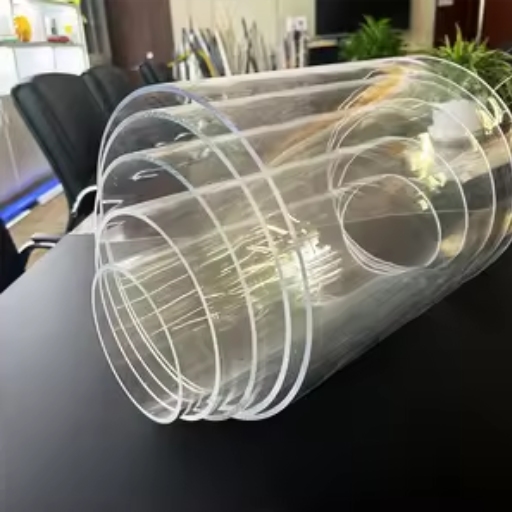
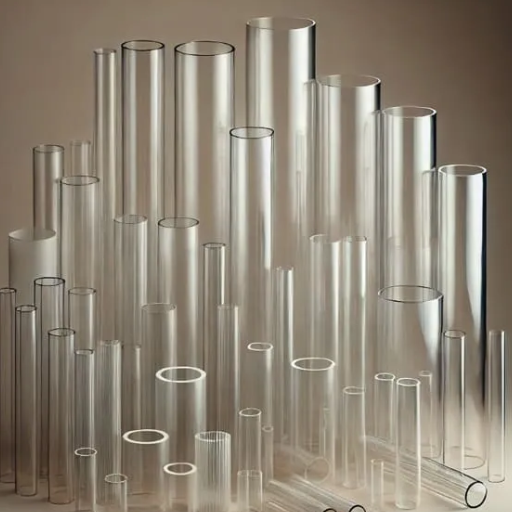
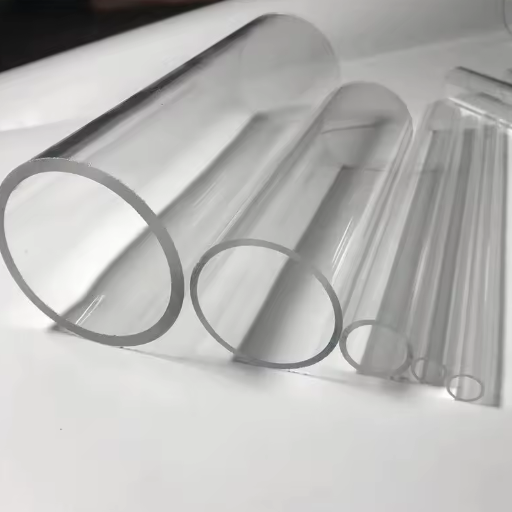
Acrylic tubes are essentially plastic tubes that are constructed from a specific plastic known as polymethyl methacrylate (PMMA). Nearly all sectors of commerce find them to be practical due to their transparency features, weight and robustness. They are sheltered from unwanted wear and tear and avoid collapsing under an impact that is why they serve as long-term solution for internal and outdoor uses. There are various forms and thickness levels available, making it possible to meet individual needs with built-to-order acrylic tubes. The adaptability and see-through characteristics make them suitable for creating scientific instruments, showcases, plumbing when manipulating fluids, and art equipment with no skimping on the extent of the beauty within the induct.
Advantages of Acrylic Over Conventional Materials in Purifying Proteins
Acrylic aids in protein purification oganizations in that its’ material allows for many superior features. The advanced quality of the material’s transparency; helps to assure proper work by ensuring controlled circulation of the liquid within structure’s or vessels for purification. In addition to that, acrylic is a highly functional material due to a blend of being light and strong making it easier to add within sophisticated lab equipments without being bulky or rickety. Acrylic is also resistant to chemicals meaning that even in the presence of commercial cleaning agents and chemically active solvents in protein purification, it would not be easily affected. Its ease of use with the help of softening and shaping techniques enables all extra pieces required for protein’s purification systems to be conveniently and effortlessly made. Because of these Mechanisms Acrylic is said to be a less expensive and efficient as well as reliable material that is in use with the new technologies in sciences like biochemistry and protein isolation.
Everyday Uses That Bring Bioplastic
Among the many wonderful properties possessed by acryl, its use ranges in biotechnologies processing. A lot of numerous laboratories use this to build bioreactors and most significantly because it is wanting, this material allows cell culture processes to be eye-checked. Acrylic is also largely used in protein purification systems because it is chemically stable and customizable in a way that diverse such systems are constructed with minimal dissipation, thus, effective recovery and analysis of proteins is possible. It is also possible that research embryo even includes a comparable microchannel in other types of research. In order to address small sample sizes in diagnostic research as well improvement in devices able to handle small sample volumes material acts in the capacities of functional materials for diagnostics. Economic and physical resilience makes this plastic useful in the laboratory for making things like protective shields, pipette racks and flow cells as these are cheaper compared to the ordinary one use items. These many practical uses affirm that acryl continues to be one of the materials that is actively involved in the advancement of bio-technological skills and creativity.
Custom Acrylic Tubing: Tailoring Solutions for Your Needs
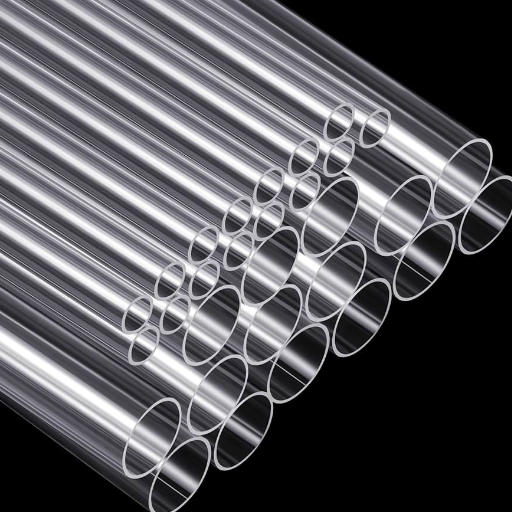
The Advantages of Acrylic Films When Sizes and Shapes are not Standard
One of the main properties of the custom acrylic tubes is their flexibility in terms of meeting different application requirements by confining them in different sizes and shapes. This property enables it to serve well when a more specific industrial process or technician equipment or even medical designing is needed. This ensures that such tubes, do not be termed or marked simple tube passing through the system but go ahead into determine specific phrases that the top of that tube should not reach and if it does that would be a catastrophe. The cutting waste would also be reduced to minimum thus improving the efficiency around the system at the same time making system construction viable even in situations where it would have been impossible. The custom design that is tailored for customer requirements enables among other things the insertion of new features such as laser engraved design or custom shape design to the product to meet special operational requirements. This degree of accuracy underlines the relevance of using custom designs to realize better results in different fields.
Tips for Purchasing Bespoke Acrylic Tubes
When it comes to bespoke acrylic tubes ordering, it is a rather easy affair provided you understand the whole process and get your act together. First, Identify specifically what you need for your particular project such as the length, diameter, wall thickness, special treatments such as threading, etching or logos and other peculiar shapes. Then find Qualified suppliers to work with knowing well that such requirements will not be fulfilled by just any provider. If you have further peculiar details to provide, you should contact a few such companies to get suitable quotations and timelines. Check the details concerning the tailor-made characteristics of the acrylic with the supplier to ascertain that your acrylic tubes fulfill those requirements with regard to, for example, resistance against UV rays, translucency, or impact resistance. It will also be extremely helpful to ascertain the vital information such as MOQs, lead times and delivery modes. In some cases, prototypes or samples can be offered for verification checks before the user goes ahead with mass production. In doing so, customers can expect to receive custom acrylic tubes exactly as they were envisioned and developed, which translates in a commendable performance and high quality product.
Considerations for Material Selection
Tailoring appropriate materials for acrylic tubes altered as per specified fabrication is a necessary undertaking for the purposes of achieving the required performance. This is the case with several mechanical properties that are associated with how much force a material can take, or how much it can be bent before it breaks, wears out or suffers any other irreversible damage, like tensile stress, flexibility and durability both in terms of strength and application in environmental conditions. Additionally, such factors as thermal resistance cannot be ignored because such kind of a material should be able to function effectively in various conditions without unstable form or uncertainty in terms of the material quality. On the other hand, high clarity or optical grade visors are essential to some corrective and sound abatementdevices where asthetics are a consideration. Another issue that is considered is chemical acclimation involving whether the materials in question and the solution that may fill them, for example a solvent, cleaning agents and other wet industrial processes and thus the segmentation of application. It may be less harmful over the long run to focus similarly on the aspects of cost and the environment as more advanced materials have green versions, which meet the performance requirements and at the same time are environmentally friendly. Clearly by different ways of material selection, each of these factors impacts materials selection, allowing for successfully learning desirable results from applicable types of the final product.
Proceso de extrusión de tubos acrílicos
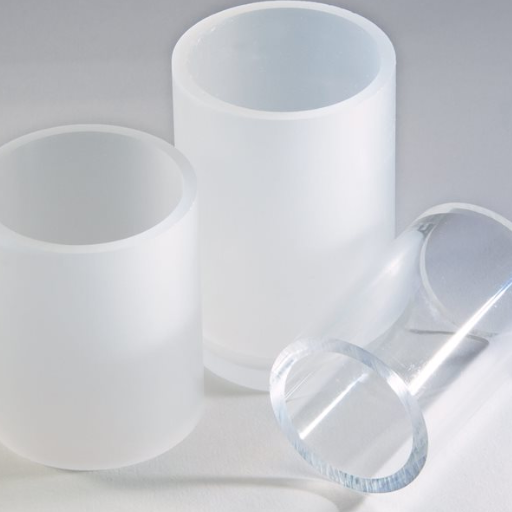
Synopsis on Acrylic Extrusion Process
The process of acrylic extrusion is designed to produce quality acrylic pipes that are properly sized utilizing intricate steps. A process that involves control is heat related to heating material of polymethyl methacrylate (PMMA) pellets and this is called acrylic extrusion. These very granules are directed to the extruder where they are melted at specified heat and condensed into a thick liquid. This thick liquid, vertical (elliptical) portion then kills one phase and flattens the tube. It is important that the tube is maintained until it hardens and cools properly with the prevention of deformation. Water or air cooling equipment is often employed for this purpose. The latest significant keys in the invention of extrusion until the full range of every type of pipe is designed to be freely changed, as per the preferences of the customers that it serves by various thicknesses of walls, diameters, outward surfaces. Moreover, present-day extrusion technologies are rather complex and environmentally friendly with energy-efficient devices and recyclable materials. The quality of the device is much appreciated as it is very reliable in terms of applications such as construction, medicine and automobile industries or others, making Eksdrusion popular and productive over a possibility of operation in different segments of the industry.
Quality Monitoring and Management in the Acrylic Tube Manufacturing Processes
Control de calidad en tubo acrílico production is seen as a significant procedure aimed at attaining high quality. Enterprises resort to in-line (e.g. ready product testing) and off-line (X-ray inspection, 3D scanner) quality techniques with such intuitive control devices as optical measurement or ultrasonic testing that allows zeroing in all possible defects like cracks or any dimensional variations in the tubes. Moreover, there is the tests on the raw materials for their aggressiveness and uniformness so as to make the acrylic material more clear and hard. Most of the times, to determine whether the final product will be able to withstand well the thermal or mechanical conditions; manufacturers apply the so called stress tests. In this way, top-notch technologies and an established product quality control system allow to produce as many acrylic tubes meeting or even exceeding requirements of all the industry norms and causing no objections from end users.
Comparative Evaluation with other Scratched Metals
| Material | Transmisión ligera | Primary Advantage |
|---|---|---|
| Acrílico (PMMA) | Hasta 92% | Highest optical clarity & weather resistance |
| Policarbonato | ~88% | Superior impact strength |
| PVC | Translucent/Opaque | Cost-effective & chemical toughness |
Compared to other extruded materials like polycarbonate or PVC, acrylic is more preferable for extremely high transparency and excellent wear properties. Acrylic has far exceptional light transmission levels that can be as high as 92% making it ideal for applications requiring high optical clarity for example camera and projector lenses, digital alarms as well as fish tanks. In contrast, Polycarbonate is very durable even in the most extreme cases, although it seems to be tinted more than clear. Whereas Polyvinyl Chloride is tough material that has desirable economical features, its scratch resistance is much lower and its due to staining when exposed to UV rays. bialy acrylic material has another advantage in this that it is resistant to variations in high or low temperatures or atmospheric conditions as opposed to use under very little or mild conditions which is why it is used in situations such as PVC. On the other hand, Polycarbonate also has great strength compared to the previous two. And these have made it widely used in safety manufacturing. The bottom line, however, is that specific projects will dictate the kind of material to be used, with cost, performance and aesthetics weighing in on the decision. Through advancements in plastic processing technology, new applications are emerging in the processing of these 2 raw materials and materials continue to show technological superiority as well as the advantage of wider application.
Clear Acrylic Tubes vs. Plastic Tubes: A Comparative Analysis
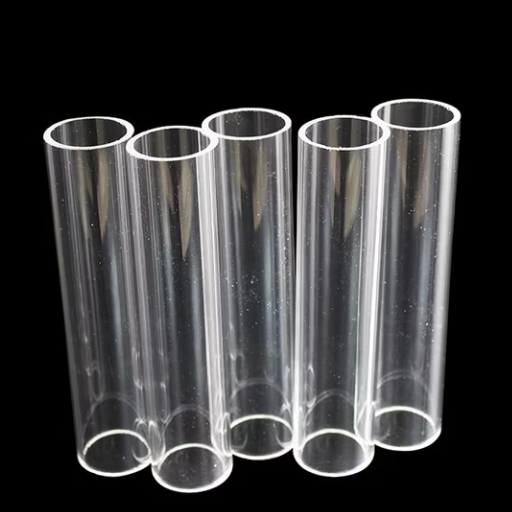
As I comprehend, clear acrylic tubes are sought after for their amazing optical clarity and lightness. These tubes have abyssal depth of light transmission and at times their light transmittance can be as high as 92%, which makes them great when used in applications which need to have a visible out part and it is important for it to be arranged well. They are an excellent alternative to glass, since they are incredibly lighter yet, relatively unbreakable enhancing their usage in almost all key sectors ranging from manufacturing display casings to lighting structures and also in fish tanks. Acrylic as a material is non systems specific character plastic material as it tends to be low in weight which therefore makes it easier to handle when in form of tubes or cannot ease re-arranging and coupling elements in scenarios such as pipe installation for example.
Another great characteristic of transparent acrylic tubing is the superior climate resistance it offers. Not every plastic is capable of magnifying its own weather-proof attributes. It is true that an acrylic remains strong enough aside from its clear state such that it is viable even in intense environments and even at temperatures which are scorching or freezing alongside battered soils and dust, including UV rays. Moreover, these tubes are easy to part, shape, and unite, allowing architects and mechanics to realize a lot of their design ideas. Though not capable of the same level of break resistance that polycarbonate tubes can be achieved, due to their resistance to scratching and their being inexpensive, the argument for their utilization in numerous applications where preserving overall intense clarity and some level of sustainability would be captured, is strong. Therefore, clear acrylic tubes are effective both as a design element and as a useful material.
Advantages of Plastic Tubes in Lab Settings
Lab equipment needs more or less various types of tubes: the plastic ones are typically preferred because of amenability to long-term use, the style variety and the economical aspect. Their portability, versatility and toughness connected with their light weight also significantly reduce probabilities of accidents or wear than, for instance, similar items made out of either glass or metallic materials. There are also other positive aspects of the use of plastic tubing and chemical tests that often exceed painting. High resistance to chemicals is one of the biggest pluses as most of the plastic tubing can be passed through with almost any chemical without damaging or reacting it, thus reducing chances of malfunctions during an experiment. Thin tubing of Pyrex or borosilicate that are more susceptible to chemicals if even the slightest drop of water is left standing in it for a few days. Some types of plastic, say polypropylene or PTFE some high and excellent thermal conductivity meaning that they can serve well in the situation where temperatures are the most rare and become the worst of a challenge. It Is easily observed that in some plastic tubes the sample may again be viewed through the wall of the tube. This is in particular requested when immiscible components need to be separated or co-precipitation occurs. On top of these uses plastic tubing is affordable and greatly helps in cutting costs in labs where there is need to maintain effectiveness and also use funds constrictively. Undoubtedly these features necessitate the use of plastic tubing in every up-to-date laboratory.
When to document when to Choose Polycarbonate Tubes
Decisive factors for polycarbonate tubes include their compactness along with stability, shatter-resistance, durability, and destructive effects, which are characteristics of the material. It is unbreakable unlike any other clear plastic due to the high resistance properties exhibited by polycarbonate that is able to withstand brace displays of HE and mechanical strength in particular. The structural polycarbonate tubes are very good in terms of temperature operating bands from low to very high and do not distort easily. These enclosures with their technology also offer more than weight benefits because they can see through beautifully because the refractive index is quite high, and when high robustness and transparency are required, these enclosures are chiefly suitable for the applications in factory and laboratory settings. In such scenarios as ruggedness and consistant working conditions both the application of polycarbonate tubes becomes recommended and economically advantageous.
Best Practices for Using Acrylic Tubing in Laboratories
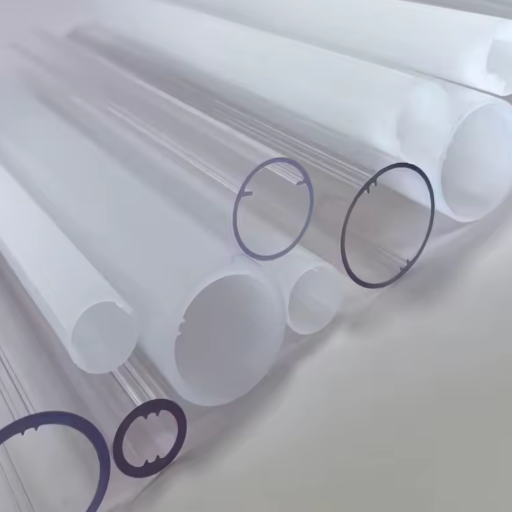
Preservation and Transportation Rules
Concerning laboratory surrounds, having to warehouse and transport the acrylic tubes is another issue, and there are several principles which I observe if the efficient performance of these plastic materials is to be guaranteed. In particular, when it comes to storage of acrylic tubes, I always ensure that they are not stored in areas exposed to direct heat or sunlight. The accumulation of dirt in the panes of the tubings occurs more rapidly with this scenario and this may necessitate more vigorous in-and out- king chemicals. Owing to careful storage in temperatures that are neither too low nor too high, such tubes are resistant to ultraviolet exposure. Extreme humidity and temperatures in most structures may also cause fluctuations, which could in the longrun cause stress cracks or any other form of damage. I always prioritize safety and avoid any scratches or abrasions on the surface of the tubing during the operation. Though known for it’s clear properties, acrylic does get scratched which is why I clean the same with soft cloth or any other items that would not damage it. In addition, I do not allow the use of sharpened objects in the vicinity of the tubing to keep. Finally, in case the acrylic tubes need to be removed or manipulated in any way I prefer the use of professional cutting tools that are designed to work with such materials as an alternative to minimize any cracks or breakages. In addition, reducing the harmful effects of chemicals is one of my primary considerations. Acryl is a product with an outstanding level of transparency. Acryl often provides high levels of strength and shape retention; however, it is vulnerable to a number of solvents and chemicals typically found in scientific research. Such substance should not be used, as it affects the transparency and strength of the material to a visible extent. To achieve the desired result maintenance aim, I foster a strategy towards solvents and through following the guidelines for proper “acryl” treatment, I can provide a necessary focus on tubes and thereby use, for a longer period, such tubes for various purposes of a laboratory.
Increasing the Durability of Acrylic Tubes
Harsh cleaners and abrasive substances such as scouring pads will harm a good acrylic surface, one that is meant for everyday or permanent use. Before these steps become necessary, or worse, before acrylic clear tubing ceases to look clear amid a plasticizer challenge, then these clear tubes will always need to be stored in a purpose-built unit within hours. Harsh cleaners and abrasive substances such as scouring pads will harm a good acrylic surface, one that is meant for everyday use or permanently fixed. To minimize such chances, further harm to the tubes is worked through damage inflicted on windows and the transparency distorted. For sanitary purposes, the acrylic pipes will then need to have the huds extend from both ends of the doors. Even more, light through the acrylic pipe will not mandatorily pass straight through the tubes. Such an instance spa through the acrylic tube will have enhanced the direction and the users’ wait throughout the facility before entering the tube.
Safety Security Measures in Using Acrylic
It is imperative that workers prioritize safety around acrylic materials as safety prevents injuries and enables employees to do a good various operations involving the material. It can cause in the process being cut, drilled or even sanded and this also means they would be required to use appropriate attire such as goggles, and respirators. It is also important to remember that the cutting or sculpting of acrylic produces fumes in a closed environment that may be harmful as well as that is why the room should be a sensible ventilator. Treat acrylic materials promisedly so as not to get injured by sharp edges and of course do not forget to use acrylic oriented gadgets in order to avoid the possibility of a breakage. Ensure the storage of the said material away from flames or very high temp as the characteristics of acrylic material promote the risk of fire. These steps are but a few of the ways in which one can work with acrylic and maintain occupational safety and health.
Fuentes de referencia
- A Multi-Column Plate Adapter Provides an Economical and Versatile High-Throughput Protein Purification System: Research on innovative systems for high-throughput protein purification.
- An Automated Tube Labeler for High-Throughput Purification Laboratories: A study on custom-designed tools for improving lab efficiency.
- Introduction to Protein Purification: A comprehensive guide covering material considerations like acrylic.
Preguntas frecuentes (FAQ)
Is it true that acrylic tubes can be considered more useful and visually appealing compared to glass ones?
A veces se da el caso de que se dispone de Tubos Acrílicos Personalizados que son bastante transparentes y un perfecto sustituto del vidrio, es un material de mayor resistencia que puede ser 10 veces más resistente al impacto como se puede fabricar en un diseño especial. Los sistemas de separación líquido-líquido preparados con acrílico fundido y tipos extruidos transparentes de estos tubos son más comunes porque tienen buenas propiedades ópticas para el seguimiento visual de los procesos de purificación de proteínas. Son pequeños vidrios mentales y pueden usarse para varios usos, mientras que el platino, vidrio elegante pero no muy práctico, bueno para romper que para cortar, plantea grandes desafíos. La disponibilidad de diferentes gradaciones, como tubos de plexiglás transparente o acrílicos de plexiglás, es útil para su utilización en la pantalla de monitoreo de ventanas y dentro de un recorrido de tubería. La presencia de diferentes tipos de plásticos, como tubos de plástico transparente y tubos de plexiglás, también permite la selección directa del plástico para la aplicación correspondiente con la siguiente distribución de calidad: claridad-durabilidad.
El tubo acrílico de plexiglás presenta las mejores propiedades de resistencia química de su clase, ¿por qué y cuándo lo elegiría?
Si hablamos de plexiglás y acrílico extruido, se sabe que se oponen a varios de los productos químicos, como tampones y otras soluciones, que se utilizan para la purificación de proteínas, con algunas excepciones de disolventes que son muy agresivos. Sin embargo, mantienen poca o ninguna resistencia química, por lo que si se necesita una resistencia química extrema, opte por acrílico fundido o grados de resina específicos que contengan reactivos particulares en su composición de ingredientes. Los pacientes mencionados anteriormente incluyen polipropileno y PVC, que pueden ser una opción para los plásticos cuando hay una alta resistencia a los disolventes, pero no son tan claros como motivos que proporcionan resistencia básica y propiedades útiles del material. Realice referencias y verifique la mayoría de los productos químicos utilizados en su proceso para agregarlos al coadyuvante de procesamiento o a la fuerza del diseño a largo plazo. El tratamiento en todos y cada uno de los casos implica la fabricación de productos específicos de acuerdo con las condiciones y requisitos determinados.
¿Cuál es la relación de los parámetros de espesor y diámetro con respecto al desempeño de tubos acrílicos transparentes para equipos de purificación?
Con respecto a la capacidad de estos tubos para funcionar, el espesor y el diámetro son cruciales porque el espesor ayuda a la rigidez relativa del tubo, la resistencia al impacto y la capacidad de soportar presiones internas, mientras que el diámetro proporciona cambios en los caudales y la capacidad del tubo. para mantener un volumen particular. A medida que la pared se vuelve más gruesa, hay una mejora en las propiedades pliomecánicas y de abrasión de la pared, pero la transmitancia óptica disminuye ligeramente debido a un aumento en el peso del tubo y en ausencia de contracción por polimerización después de un mejor procesamiento. En el mercado existe una amplia gama de aplicaciones y usos de tubos acrílicos extruidos y de fundición disponibles en diferentes diámetros y tratamientos de espesor de pared para uso industrial y de laboratorio. Además, los servicios de corte a medida son ampliamente accesibles para accesorios, adaptadores y celdas de flujo, lo que permite al comprador dictar cuánto tiempo o en qué radio deben tener las moléculas sin vida. La selección adecuada de los espesores antes mencionados garantizará que la contención aísle y funcione de la misma manera para lograr propósitos sin fugas mientras los conjuntos de purificación estén en uso.
¿es posible obtener meniscos acrílicos de tamaño personalizado o cortados al tamaño adecuado para configuraciones de laboratorio particulares?
Ciertamente. Un gran número de productores brindan servicios de longitud y espesor personalizados de tubos en todos los tamaños y materiales posibles, tanto en tubos acrílicos transparentes como en tubos de taflón. La longitud de estos tubos se puede cortar para adaptarse a su diseño específico. Esto es muy conveniente para situaciones en las que los tubos deben fijarse de tal manera que encajen dentro de bastidores de laboratorio, columnas o colectores especiales porque las longitudes estándar pueden ser demasiado largas. Se pueden solicitar diferentes tamaños, diámetros o incluso materiales de tubería de diferentes colores para codificar líneas para diversas ramas de tratamiento. Los servicios adicionales pueden incluir procedimientos tales como taponado de extremos, perforación de orificios, unión o unión de piezas mediante láser para que encajen perfectamente en un sistema de hardware diseñado a medida. Los tamaños y diseños adaptados sirven para minimizar el desperdicio y mejorar la funcionalidad básica de la estructura, permitiendo una lista más amplia de procesos de investigación.
¿puede explicar las razones por las que se podrían preferir los acrílicos extruidos o fundidos para los tubos y considerar la rentabilidad relativa de cada opción?
Común tubo acrílico extruido transparente Se extruye permitiendo más variaciones de tamaño y generalmente es menos costoso. Pro unha do flexibilidad coestética y mecánica, incluso los acrílicos extruidos transparentes no pueden verse ni funcionar más nuevos que los tubos extruidos. Los tubos extruidos se prefieren para la mayoría de las aplicaciones industriales y de laboratorio a gran escala, ya que son mucho más ligeros y homogéneos, ya que el caso del plexiglás transparente y los tubos extruidos se utilizan más para ellos todos los días que las piezas decorativas. Mientras que las extrusiones transparentes, en general, serán más baratas. Los recortes del panel de control permiten que sistemas completos parezcan construidos casi en su totalidad con acrílico fundido transparente de media pulgada. Sin embargo, mientras que el acrílico extruido puede ser suficiente, en tipos de trabajo de precisión menos críticos, a menudo se prefiere el acrílico fundido para una mayor claridad. En este caso, considere el rendimiento deseado y la cantidad de recursos disponibles, así como si la rentabilidad o el mejor rendimiento (la mayor claridad y resistencia posibles en la purificación de proteínas son más sorprendentes).
¿existe algún tubo acrílico coloreado o plástico especial que pueda usarse para realizar inscripciones numéricas o de otro tipo en sistemas multicapa?
El acrílico de colores es uno de los marcos de la imagen y existen varias formas de tubos de plástico que se pueden utilizar en caso de que esto sea un problema para usted, ya que ayudará a clasificar y despejar líneas y también reducirá los riesgos en un sistema muy limpio. Si busca aplicaciones que requieran líneas químicas o resistentes a la temperatura, en lugar de acrílico coloreado, puede optar por plexiglás transparente u otros materiales plásticos como el polipropileno. Al asegurarse de que haya tubos coloreados o transparentes que sean bastante visibles, es muy fácil realizar mantenimiento y eliminar los golpes en el problema de flujo debido a conexiones incorrectas. Por ejemplo, se pueden utilizar tubos de 80 x 120 mm o incluso más pequeños para una función particular y luego codificarlos para el propósito de la tubería. Por lo tanto, teñir sería una pérdida de dinero. La construcción implicará cortar, imprimir, marcar o parches finos de colores de acuerdo con los requisitos de los administradores del laboratorio.