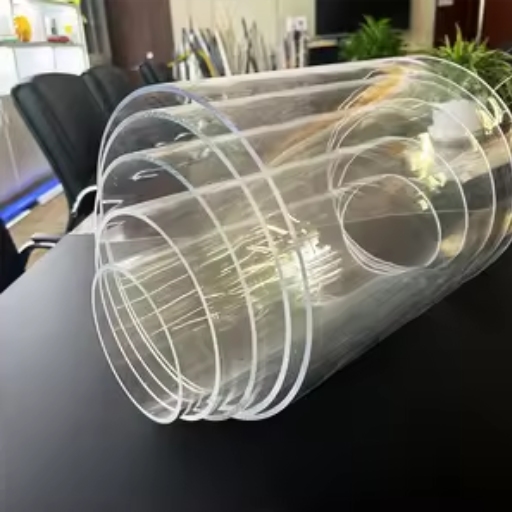

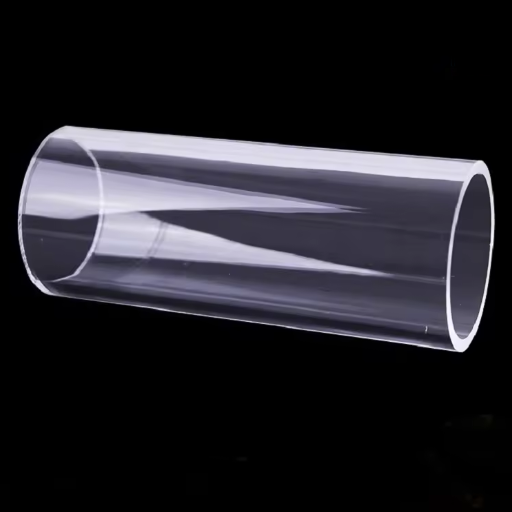
Wind turbines exist as a representation of environmentally friendly power generation while demonstrating advanced engineering capabilities, yet their elegant movements depend on their internal mechanisms which consist of multiple parts that work together to produce dependable electricity. The gearbox serves as the system’s main component because it controls turbine performance through its essential function which enables optimal operational capacity. The gearbox requires special handling to maintain its operational capacity within high-stress situations because its essential performance needs both durable materials and visible parts for maintenance activities. The function of durable clear tubes establishes itself as a vital requirement at this point. The tubes deliver exceptional power together with see-through capabilities and strong performance which safeguard the gearbox’s inner components while enabling continuous functioning and lesser operational interruptions. The article examines the essential nature of durable clear tubes in wind turbine gearboxes while their implementation enhances efficiency and maintenance practices which result in successful operation of renewable energy systems.
Introduction to Wind Turbine Gearboxes
The Function of Gearboxes in Wind Turbine Operations
Wind turbines use gearboxes to transform the slow blade rotation movement into the fast generator movement which generates electrical power. The system uses multiple gears with different sizes to achieve rotational energy conversion from low speeds to high speeds. The gearbox ensures efficient energy transfer while protecting the turbine system by handling all mechanical forces which occur during its operational state. The latest gearbox design improvements feature better materials combined with advanced engineering techniques and wear-resistant monitoring systems that enhance product lifespan. The new technology enables renewable energy systems to achieve optimal performance while reducing downtime through maintenance needs for electricity generation during extreme weather conditions.
Importance of Reliability in Wind Energy Applications
The success and expansion of wind energy systems depends on their ability to operate reliably through all conditions. The economic viability of wind farms depends on their ability to generate power without interruptions through all operational periods. The operation of wind farms suffers major economic and energy production losses when machines or electrical systems experience unplanned outages. Engineers continue to develop new technologies that will improve the longevity of wind turbine systems through their research on turbine systems and gearbox systems and control system components. Real-time sensors and AI-driven analytics have become essential monitoring tools which enable predictive maintenance to identify equipment problems before they develop into major issues. The maintenance schedules establish through these systems will decrease equipment failures that occur without warning. Material sciences and design engineering innovations create new components which will last longer and withstand severe weather conditions and corrosion damage. Wind energy continues to provide reliable and competitive renewable power throughout different weather conditions and extended operational periods. Reliability investments increase energy production while they build stakeholder trust which makes wind energy more appealing for large-scale implementation. The wind energy industry can establish itself as an essential component of worldwide sustainable energy solutions through its dedication to reliability.
Overview of Wind Energy Solutions
The implementation of contemporary wind energy systems utilizes the latest technological advancements together with superior engineering methods to achieve optimal operational performance and environmental sustainability. The industry has developed new wind turbine designs which feature larger dimensions and improved energy production capabilities as their primary innovation. The wind turbine design aims to achieve higher energy conversion rates while decreasing operational expenses through the benefits of large-scale production. The development of lightweight composite materials has resulted in more resilient turbine construction which maintains its operational capabilities under extreme weather conditions. The development of predictive maintenance systems represents one of the most important advancements in wind energy solutions. The combination of sensors with AI-based analytical systems enables operators to conduct real-time monitoring of turbine operations which helps them identify upcoming problems that may result in expensive breakdowns. The use of this method increases system reliability while reducing operational interruptions which helps establish wind energy as a dependable power generation method. The offshore wind farms utilize ocean-based wind resources because they harness higher and more permanent wind currents that exist over ocean waters. The implementation of floating turbine technology allows wind farm development to extend into deeper ocean territories which opens new possibilities for electricity production. Modern wind energy systems achieve optimal performance to meet future environmental energy requirements through their combination of effective grid connection methods and energy storage capabilities.
Durable Clear Tubes: Features and Benefits
Material Properties of Clear Polycarbonate Tubing
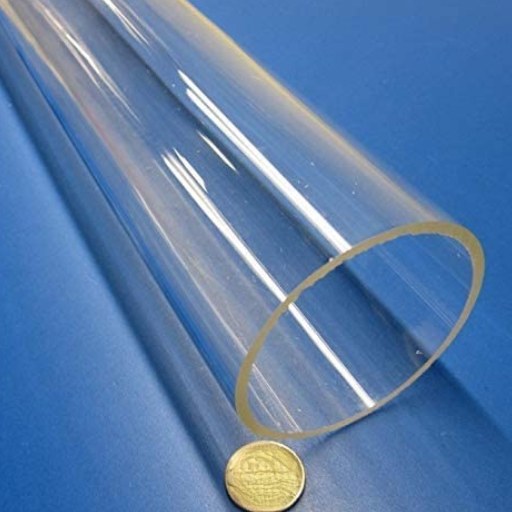
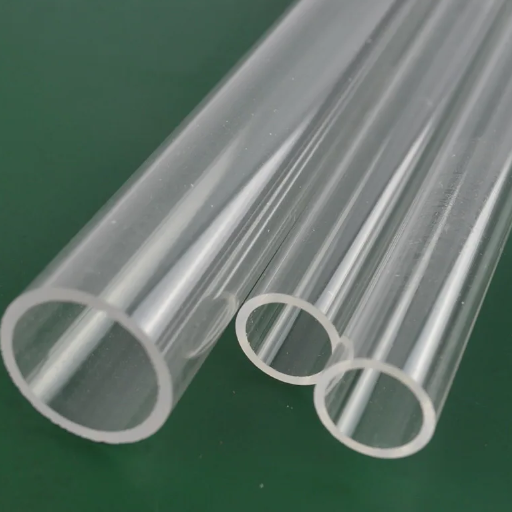
Clear polycarbonate tubing serves as a popular material choice throughout multiple industries because of its exceptional strength combined with its high durability. The material demonstrates resistance to impacts while its strength exceeds the strength of both glass and acrylic materials,which ensures its dependable operation under demanding situations. The material proves ideal for transparent applications which require both lightweight properties and exceptional optical transparency. The clear polycarbonate tubing demonstrates outstanding thermal stability because it can endure a wide temperature range while maintaining its original structural strength. The product demonstrates high suitability for outdoor applications because it protects against both UV radiation and weathering effects which enables extended use. The product displays multiple useful features which become evident through its simple manufacturing process and ability to adapt for different high-performance purposes.
Resistance to Environmental Factors
Clear polycarbonate tubing provides excellent protection against multiple environmental conditions which makes it suitable for use in high-demand applications. The material can withstand extreme temperature conditions because of its high-strength properties which prevent any cracking or warping from occurring. The material demonstrates excellent ultraviolet radiation resistance which prevents any degradation or discoloration from occurring during extended sunlight exposure. The material demonstrates outstanding impact resistance which allows it to maintain its structural strength when facing severe weather conditions that include heavy rain and hail and snow. The material demonstrates dependability through its capacity to withstand both outdoor conditions and industrial settings while delivering extended operational life that requires minimal upkeep.
Customization Options for Specific Applications
The material provides multiple ways to customize its properties which can be used in different industrial applications. The material enables developers to create custom designs which work perfectly with their specialized needs. The material can be used in construction projects to produce lightweight durable materials which builders can use for roofing and cladding and protective barriers. The material can use advanced coatings to create multiple functions which include improved thermal insulation and anti-corrosive protection. The industrial applications of the material require customization through specific dimension and texture and structural element modifications to match exact operational needs. The material maintains its status as an optimal choice for businesses which need both creative solutions and sustainable long-lasting products.
Gearbox Components: The Role of Bearings
Types of Bearings Used in Wind Turbine Gearboxes
Wind turbine gearboxes utilize multiple bearing types which enable the system to achieve dependable operation while generating power efficiently according to my understanding. The selection of bearings becomes essential because the systems need to withstand high loads while operating at different speeds and facing various environmental challenges. The most widely used bearing types include cylindrical roller bearings tapered roller bearings spherical roller bearings and deep groove ball bearings. The different types of bearings enable engineers to design systems which handle distinct load patterns while reducing friction and maintaining strength during operational pressures. Cylindrical roller bearings serve as the primary solution for handling radial loads while tapered roller bearings provide an efficient method to handle both radial and axial load combinations. Wind turbines benefit from using spherical roller bearings because these bearings enable machines to continue functioning properly when their shafts become misaligned which happens frequently during wind turbine operation because of structural movements. Deep groove ball bearings serve high-speed systems because they provide low friction performance together with their capacity to support both radial and axial load conditions. The modern wind turbine system requires special bearing development which uses advanced materials and protective coatings and superior lubrication technology to achieve maximum operational durability in harsh environments. The use of specialized steel alloys together with ceramic coatings provides protection against wear and environmental corrosion. The advanced lubrication solutions decrease the need for maintenance which leads to higher overall operational efficiency. Wind turbine gearboxes depend on these components to achieve optimal performance because they maintain operational efficiency during extreme operational conditions.
| Bearing Type | Key Function & Impact |
|---|---|
| Cylindrical Roller | Primary solution for handling radial loads in high-stress environments. |
| Tapered Roller | Manages complex combinations of both radial and axial loads. |
| Spherical Roller | Compensates for shaft misalignment during structural turbine movements. |
| Deep Groove Ball | Provides low-friction performance for high-speed rotational components. |
Planetary Stage Bearings: Advantages and Applications
Planetary stage bearings play a crucial role in modern gearbox systems which wind turbine systems use. The engineers created these bearings to distribute loads through multiple contact points which leads to better durability and operational efficiency. The main benefit of planetary stage bearings lies in their capacity to manage high torque within small dimensions which makes them suitable for use in renewable energy systems that demand high performance. The design establishes a mechanism which decreases wear while extending the equipment’s operational lifespan to minimize both downtime and maintenance expenses. The technology serves multiple sectors which range from wind turbine operations to industrial machinery and automotive transmission systems and robotics applications that require exactness and dependable performance. The mechanical systems’ overall performance improves because planetary stage bearings provide better load distribution and maintain strong operational capabilities.
Impact of Bearing Quality on Overall Performance
The bearings’ level of quality is a parameter which stands as a principle to every mechanical system as it implies both its workability and its lifetime. When the quality of bearings is high, the systems are able to perform effectively because bearings that are inferior in quality means friction is high, thereby increasing work outlets power consumption as well as the generated heat. For example, precision bearings especially help to improve operations in aerospace, automotive and industrial manufacturing because they can be used under high-stress conditions as well as maintain strict dimensional and angular characteristics. It has been proven by numerous studies that better bearings, in applications where friction cannot be separated, reduced the energy consumption by 30%. The higher friction related energy loss is within the range of target energy loss and using technical solutions enable this improvement. For example, modern materials and superior coatings contribute to the bearing’s improved service life and less frequent maintenance needs as well as a lower frequency of replacement. The data presented in this chart correlating the grade of bearing with mechanical function gives an indication that this biounit grade affects business operations and the likelihood of breakdown of machinery to values given in the preceding row.
Design Considerations for Wind Turbine Gearbox Tubing
Trojan and flexibility requirement
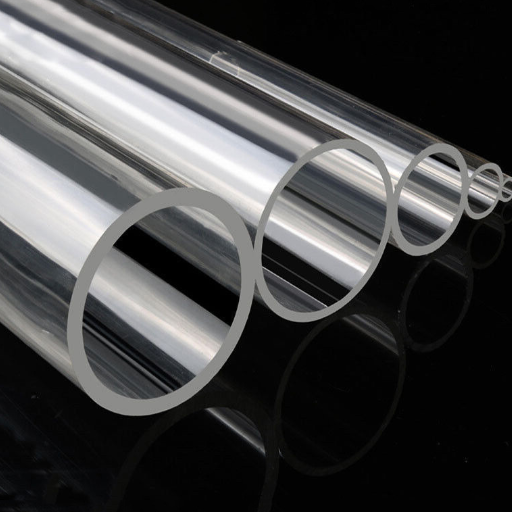
The present requirement of wind turbine gearbox tubing’s diameter and flexibility is identifying the best ways to optimize their operational performance because of the prevalent operational stresses. Ideally, the outside diameter of the Tube or Pipe should water the particular hydraulic or cooling systems volume and pressure requirements, while also considering the space making pressure demands present within the assembly. The health of these systems necessitates flexibility in order to tolerate the inevitable imperfections in the construction of the units (vibrations, and minor misalignments), which in meantime inhibits the possibility of wear tear and breakages. The improvement made in the tubing material types including the use of high strength alloys, and advanced composites, has also made a considerable improvement and allowed prebending to take place easily with hardly any fatigue in the materials, hence operational capabilities have also vastly improved.
Sustained Speeds and Enhanced Protection
Components of the gearbox system incur considerable load and antifriction effects on high velocities causing urgency of durability and efficiency-oriented design. Besides, new materials like refractory metals and highly soluble polymers have been developed to decrease wear resistance and ensure service under extreme conditions it is subjected to. Moreover, completely rebuilt or slightly upgraded lubrication systems facilitate decreasing friction bevveen surfaces as well as heat transfer having the equipment perform longer. On the other hand, computational techniques have been craterd for analyzing and determining ways of how materials and systems can be mass produced with certain threshold technologies being set. By means of applying the above innovations, it is possible to have a high-speed equipment of the manufacturer guarantee both and life expectancy even under extreme conditions in the industry which is inherent for itself.
Resilient Construction in the Absence of Conducive Soils
Equipment that works in challenging settings needs a practical design for ensuring efficiency and sustainability. The progression in technology in the broad field has made possible high-strength combinations and composites materials in high resistance to external factors such as corrosion, heat and mechanical attack. Very quality materials coupled with stubborn design of sealed boxes with the help of knowll;ege aquired technology plus a touch of the beauty advanced coatings are very famous in those critical industrial sectors. Despite the rough environmental conditions, equipment will not upset the bread and butter business because salt, chemicals, dust, and normal water are out of the picture. This has since enabled the relevant industries also to come up with methods of increasing the operational efficiency of industries such as mining, construction, and offshore energy, with greater emphasis being given to dependability under harsh conditions.
Manufacturing Durable Tubes for Gearbox Applications
Quality control rules within the sector
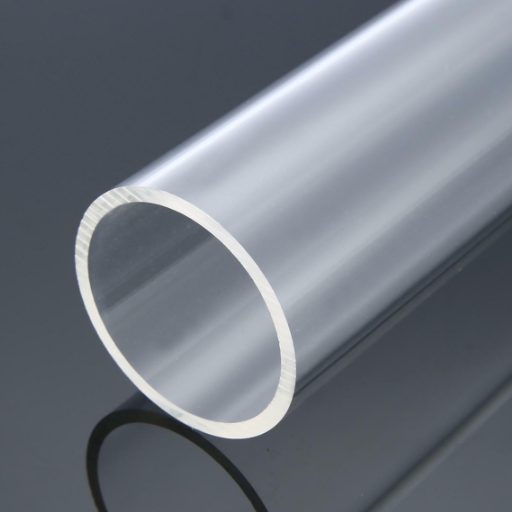
Gear tubes of high grade are different in that they have to fulfill certain standards that will directly affect wear and tear as well as services regarding whether the tube will meet these standards. For example, this process will depend on the constraints provided by standards which include among others; Ayımları, Sistav and Imperial ostrumotherapy. It is also worth knowing that in order to increase the power transmission mechanical content of any unit, gear is subjected to heat treatment and surface finishing as efforts to improve the serviceability of the operator. With high standards of ingenuity and technique, these critical components have become more and more expensive. In any failure analysis that crops up during prototype or factory inspection, such evaluation is mostly carried out by the boss. It is impacted by the failure modes of construction and the design which might lead to the recognition of a recent design failure on castings or poured superior metals or welding repair.
Advanced Production Methods
Advanced production methods are highly inclined towards automation and artificial intelligence to enhance and smoothen production processes. Equipment such as industrial robots maintain the same high quality in production and make the process faster, this is mostly possible in the case of assembly and other related processes. In the case of predictive maintenance, supplied by artificial intelligence, the system shows the timing and activities for maintenance before the mechanical failure happens, thus saving money and reducing the downtime even more. AI also improves different processes within manufacturing plants, this is achieved by monitoring performance indicators of these processes. This form of co-working does not only enable the business productivity but also opens the industry to move towards more flexible and smarter frameworks of production which reacts automatically to demand changes.
Application of AI Technologies in the Wind Energy Sector
Some businesses and industries have successfully embraced AI as part of their operations in the wind power sector. One exemplary case is the technique of using diagnostic algorithms incorporated with wind turbine farms, which aids in carry out predictive maintenance. Companies as distinguished as Ørsted or Siemens Gamesa have AI that watches over the wind turbines’ activity while in action. It should be mentioned that many sensors are built into machines; so these sensors notice how the device vibrates, its temperature and its productivity is gauged. The data is then fed into the machine learning models which are run on computers connected to the server. This has significantly reduced incidents of downtime as most equipment can be repaired well in advance of a complicated failure. Besides that, such the system of foreknowledge makes it possible to optimize when and how maintenance work is carried out allowing the rest of the turbines to work steadily for years. Energy output efficiency can be enhanced by developing and applying enhanced predictive web data analysis models like Artificial Neural Networks. One of such success stories is a research conducted by Google’s DeepMind with the wind energy industry in the enhancement of energy production via more precise prediction of wind speeds. Historical weather data, together with AI and machine learning capabilities, these models continuously modify monobloc wind turbine operation in respect to the expected wind from weather models. This has even had a positive increase in the economic value of wind as we now know how to give more electricity to the power grid without interruptions up to 20% relieving the wind consumer of its undeserved name as an ‘intermittent’ resource Finally, AI has had a tremendous impact in the development of new wind farms. By examining the geographical data, wind movement trends, and the various land usage restrictions, AI is able to efficiently determine the areas with the highest energy production capabilities, and least environmental degradation. The number of examples shows how AI-driven technology is changing the wind power systems, making them better than before: more effective, safer, and less harmful to the environment. With the help of AI, the prospects of renewable energy are not only possible in the future but are occurring now as well.
參考來源
-
風力渦輪機葉片當代材料的綜合回顧
探索用於風力渦輪機零件的先進材料,包括複合材料和奈米管,以提高耐用性和性能。. -
小型風力渦輪機的設計
討論小型風力渦輪機的設計和材料考慮因素,提供對可持續和耐用組件使用的見解。. -
使用動量和能量傳輸管的流動視覺化及其在風電場湍流中的應用
檢查運輸管在風電場運作中可視化能量和動量的用途,與流體動力學和渦輪機效率相關。.
常見問題(常見問題)
耐用的透明管如何改善變速箱零件的遠端檢查和成像?
耐用的透明管提供有蓋光路,即使在變速箱的狹窄隔間內,也可以輕鬆進行目視檢查和良好的分辨率。透過使用具有調整範圍和折射率的相關透明管的補充模組,它們還可以更專業地檢測齒輪、未對準和滾輪夾表面。該管子允許檢查與主動磁力軸承相關的斷點和扭矩限制器,因為它設計良好,可與可更換的導管適配器和角度裝置一起使用。解決這個問題更提示的是,使用透明管可以防止在整個計劃維護期間運輸時潤滑劑和變速箱其他部件被破壞的可能性。態度是,增強功能可以提高恢復和檢查過程中的視覺能力,並且整體上提高了工作性能。.
哪些材料、哪些結構解決方案和管材輪廓使其能夠承受海上不同的風應力和波浪?
風力渦輪機的變速箱採用大容量透明管,這些管通常由堅韌、耐腐蝕的塑料或複合材料製成,也能夠持久抵抗海上環境中常見的紫外線和水損壞。管材設計採用更堅固的加固,具有靈活的部分,並採用密封解決方案,以防止海鹽和其他污染顆粒的積累,並防止管內運動部件(例如光學器件或導光連接器)的干擾。此類材料和設計選擇具有許多優點,例如承受不同的風應力以及透過變速箱外殼傳遞的負載。工程師有能力透過使用適當的材料和實施特定的加固模式來調整管材在這些具有挑戰性的條件下的堅固性和使用。選擇具有成本效益且持久的材料有時甚至有助於降低維護成本,這就是為什麼建議這樣做,因為它可以節省營運和維護成本,同時仍保持風力渦輪機處於最佳工作能力。.
是否可以透過調整透明管的形式來整合不同的變速箱和檢查工具?
當然,許多可以放入各種類型的變速箱和檢查器具中的晶瑩剔透的塑膠管都是多變的,並且有不同的尺寸。工程師提供可連接連接器、導管適配器甚至具有不同焦距特性的光學單元等組件的情況並不少見,以便可以提供模組來使行星齒輪或軸或籠子空間以進行檢查。根據檢查或平面外偏差的外徑或長度以及特定檢查所需的光學焦點特性,可能會添加或包括一些附加功能。這種管子的佈置有助於整體易於運輸和工作,因為只需一個系統即可服務各種風力渦輪機模型和維護工作。在連接管道中應用客製化半剛性軸可以消除長期維修並維持再生能源領域的通用檢查程序,同時滿足客戶在降低檢查成本方面的許多利益。.
在檢查帶有管道的海上基礎設施時,視覺元素引起了哪些擔憂?
因此,水分和周邊密封是陸地風能機器運作的主要問題;密封和防潮技術對於避免影響光學性能的冷凝問題非常重要。保護措施還包括耐外部衝擊的密封件,因此即使在高濕度或水中的天氣下工作時,內部成像組件也可以在整個檢查過程中得到有效保護。當按照建議定期進行維護時,可以對接面和密封件進行預防性檢查,從而最大限度地減少導軌或成像光學元件的污染。正確的材料和密封設計也將透過減少惡劣的氣候影響來促進管子的強度和耐用性。充分的密封對於防止透鏡凝結或水引起的檢查問題非常重要,其中包括檢測問題,包括實際注水。.
哪些配件和光學品質可以幫助工程師提高可見度、處理和檢測缺陷?
工程師在工作中有各種各樣的檢查設備可供選擇,包括鏡頭、不同的照明類型、導管和適配器電纜中的轉動接頭,旨在增強變速箱部件內的可觀察性和運動特徵。技術功能將包括正確對焦或變焦鏡頭、在不產生光線扭曲的情況下應用眼鏡、嘗試檢測表面的微傷口或油污染症狀。透過將鉸接與鉸接纖維的使用相結合,可以存取通常接受檢查的行星齒輪級、內座圈和緊密配合軸等組件。設備改進包括系統的附加組件,這些組件將增加設備的移動性並增強其多功能性和與現場應用時現有遠端目視檢查相機的兼容性。有利於全方位服務而不是快速維修非常重要,特別是對於缺陷檢測而言,因為高品質的客製化解決方案具有成本效益,並且提出了有關產品修訂次數和使用壽命的新要求。.